
Hemp Seed and Rice Isolate Protein: A Strategic Plant-Based Protein Solution for Modern Food & Beverage Manufacturing
Hemp Seed and Rice Isolate Protein: A Strategic Plant-Based Protein Solution for Modern Food & Beverage Manufacturing
February 20, 2026
Protein & Nutritional Enhancers - Articles
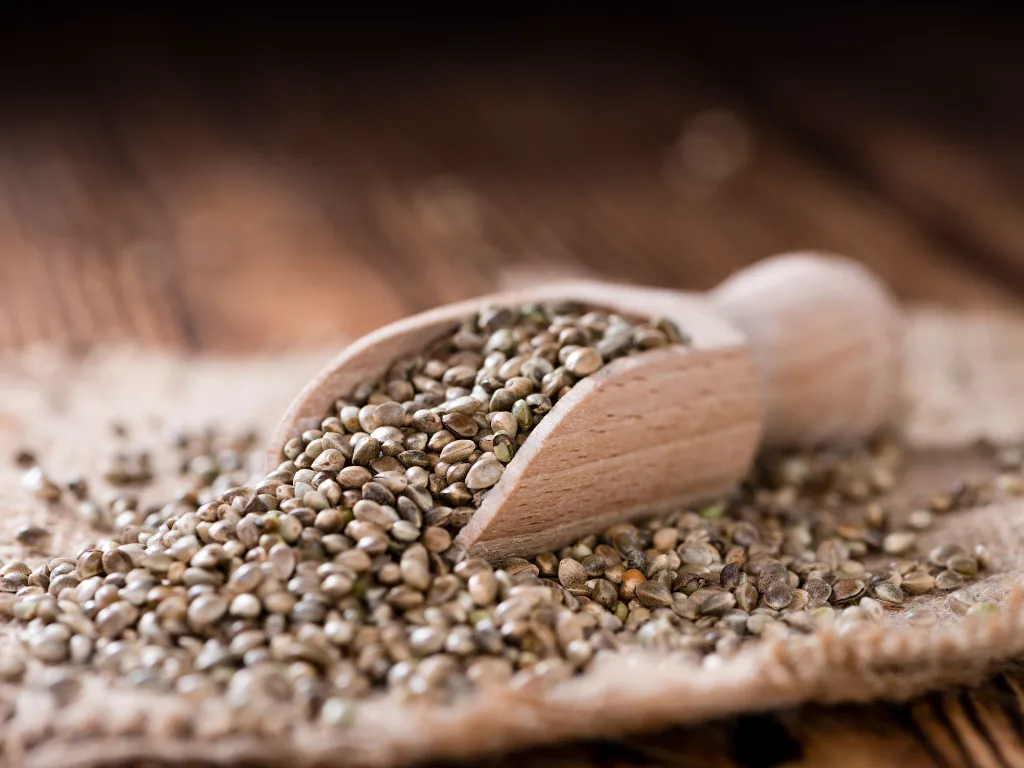
Introduction: Why Hemp Seed and Rice Isolate Protein Matter in Today’s Protein Landscape
Plant-based protein has evolved far beyond a consumer trend. For food and beverage manufacturers, it is now a strategic category driven by clean-label demand, allergen considerations, sustainability goals, and global regulatory pressures. Within this rapidly expanding space, hemp seed and rice isolate protein are gaining attention as complementary solutions that address both nutritional and formulation challenges.
Unlike soy or dairy proteins, hemp seed protein and rice isolate protein offer distinct functional and nutritional advantages that appeal to manufacturers seeking versatile, hypoallergenic, and label-friendly ingredients. When sourced and processed correctly, these proteins can be applied across beverages, bakery, snacks, nutrition bars, and clinical nutrition products without compromising taste or texture.
This article explores how hemp seed and rice isolate protein function individually and together, their technical advantages for B2B manufacturers, and how Satoria Nutrisentials supports product innovation with high-quality plant-based protein solutions tailored for commercial food and beverage applications.
Understanding Hemp Seed Protein in Commercial Food Applications
Hemp seed protein is derived from the seeds of Cannabis sativa varieties cultivated specifically for food use. Importantly, industrial hemp used for protein production contains negligible levels of THC and is compliant with food safety regulations in many global markets.
Nutritional Profile and Functional Value
Hemp seed protein is known for its balanced amino acid composition and naturally occurring micronutrients. While it is not always positioned as a complete protein in isolation, it provides meaningful levels of essential amino acids, particularly arginine and glutamic acid, which support metabolic and cardiovascular health.
From a formulation perspective, hemp seed protein contributes:
- Natural fiber content, supporting digestive health claims
- A mild, nutty flavor profile when properly processed
- Sustainable plant sourcing aligned with ESG commitments
These characteristics make hemp seed protein attractive for clean-label snack bars, baked goods, and plant-based blends where nutrition storytelling matters as much as functionality.
Formulation Considerations for Manufacturers
Hemp seed protein typically has lower solubility compared to highly refined isolates. As a result, it performs best in applications where suspension stability or texture contribution is desirable, such as energy bars, baked products, and powdered nutrition blends.
When paired with other proteins, hemp seed protein enhances nutritional depth while reducing reliance on heavily processed ingredients.
Rice Isolate Protein: A Clean, Neutral Protein for Scalable Production
Rice isolate protein is produced through enzymatic extraction and purification processes that remove starch and fiber, resulting in a high-protein ingredient with excellent digestibility and neutral sensory characteristics.
Why Rice Isolate Protein Is Widely Used in B2B Manufacturing
For manufacturers operating at scale, rice isolate protein offers several commercial advantages:
- Hypoallergenic status, suitable for dairy-free and soy-free formulations
- Mild flavor, allowing easier flavor masking in beverages and nutrition product
- High protein concentration, supporting high-protein and sports nutrition claims
Rice protein isolate is especially valuable in ready-to-drink beverages, powdered supplements, and fortified foods where taste neutrality and smooth texture are critical.
Functional Performance Across Applications
Rice isolate protein demonstrates good dispersibility and stability when properly processed. It performs well in liquid systems, protein shakes, and nutrition powders, making it a dependable base protein for manufacturers targeting mass-market and functional nutrition categories.
For brands seeking plant-based alternatives without introducing strong vegetal notes, rice isolate protein is often the preferred choice.
Hemp Seed and Rice Isolate Protein as a Complementary Blend
Rather than competing, hemp seed protein and rice isolate protein work effectively together in blended formulations. This approach allows manufacturers to balance nutrition, texture, and cost while improving overall product performance.
Amino Acid Optimization Through Blending
Rice isolate protein is relatively lower in lysine, while hemp seed protein contributes additional amino acids that improve the overall amino acid spectrum. Blending the two supports a more balanced protein profile without relying on synthetic fortification.
Sensory and Texture Benefits
Rice isolate protein provides a clean base with minimal flavor impact, while hemp seed protein contributes subtle nutty notes and texture. This combination allows formulators to create differentiated products that feel natural rather than overly processed.
Cost and Supply Chain Flexibility
Using a blend of hemp seed and rice isolate protein can also reduce dependency on a single raw material. This approach helps manufacturers manage price volatility, sourcing risks, and regional availability challenges.
Key Applications for Hemp Seed and Rice Isolate Protein in Food & Beverage Manufacturing
Hemp seed and rice isolate protein can be adapted across multiple categories, supporting both functional and mainstream product development.
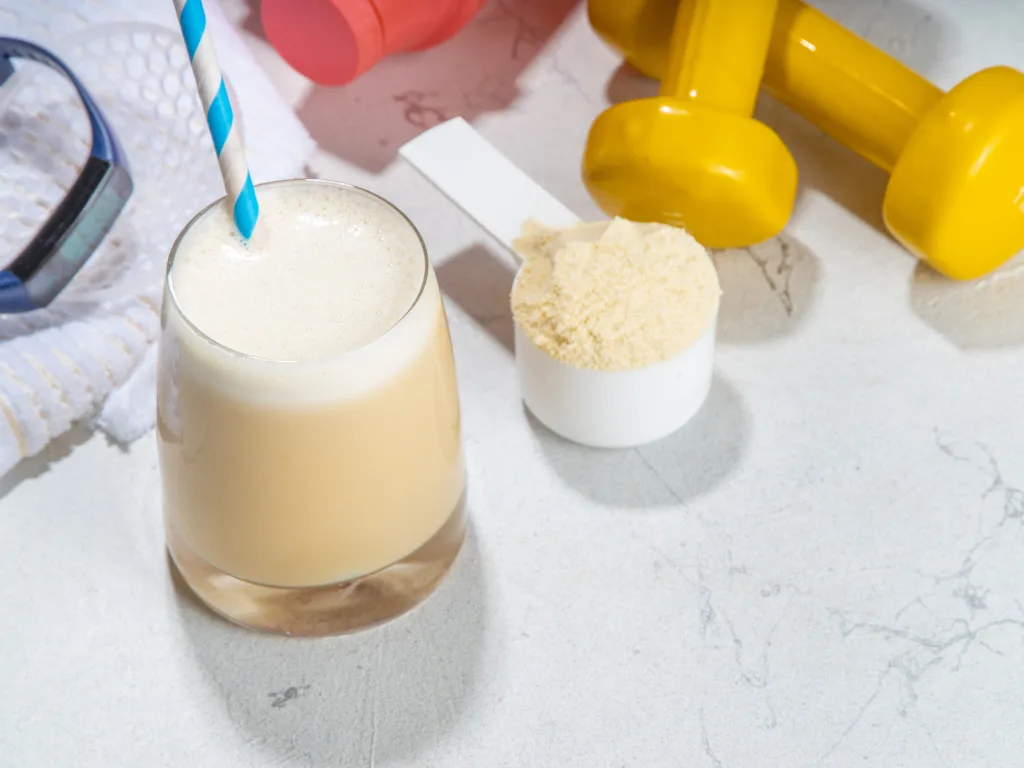
Plant-Based Beverages and Protein Shakes
Rice isolate protein delivers smooth mouthfeel and protein density, while hemp seed protein enhances nutritional storytelling. Together, they support dairy-free RTD beverages, powdered shakes, and meal replacements.
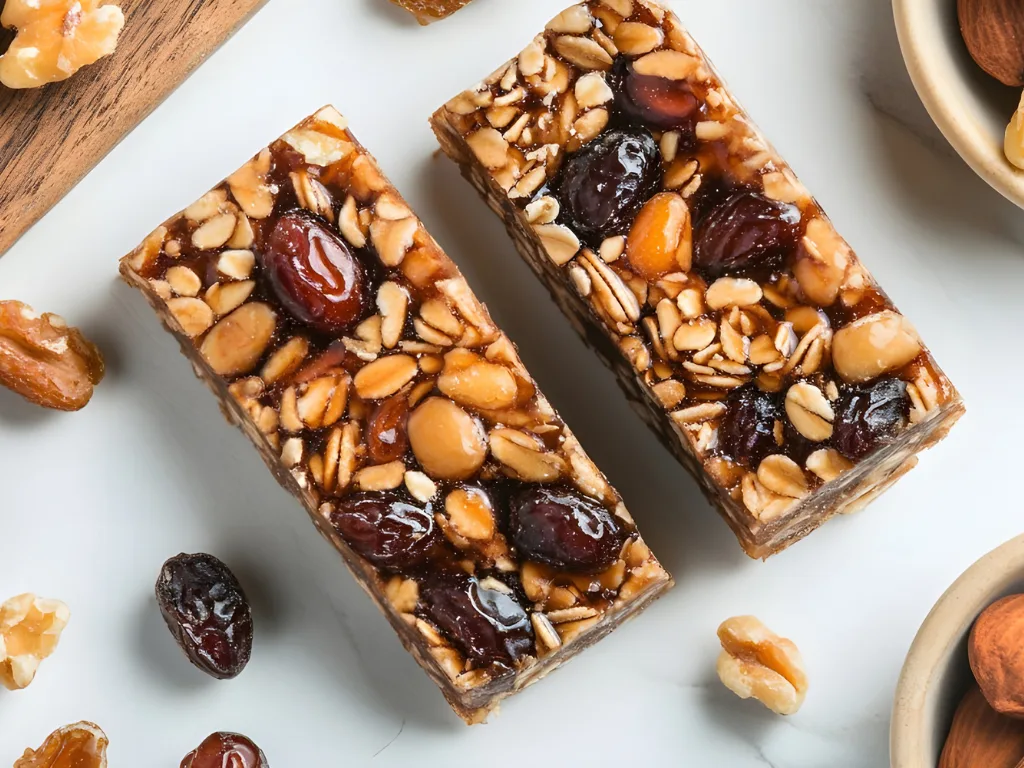
Nutrition Bars and Functional Snacks
Hemp seed protein adds fiber and texture, while rice isolate protein ensures consistent protein levels. This combination works well in high-protein snack bars, baked bars, and soft-chew formats.
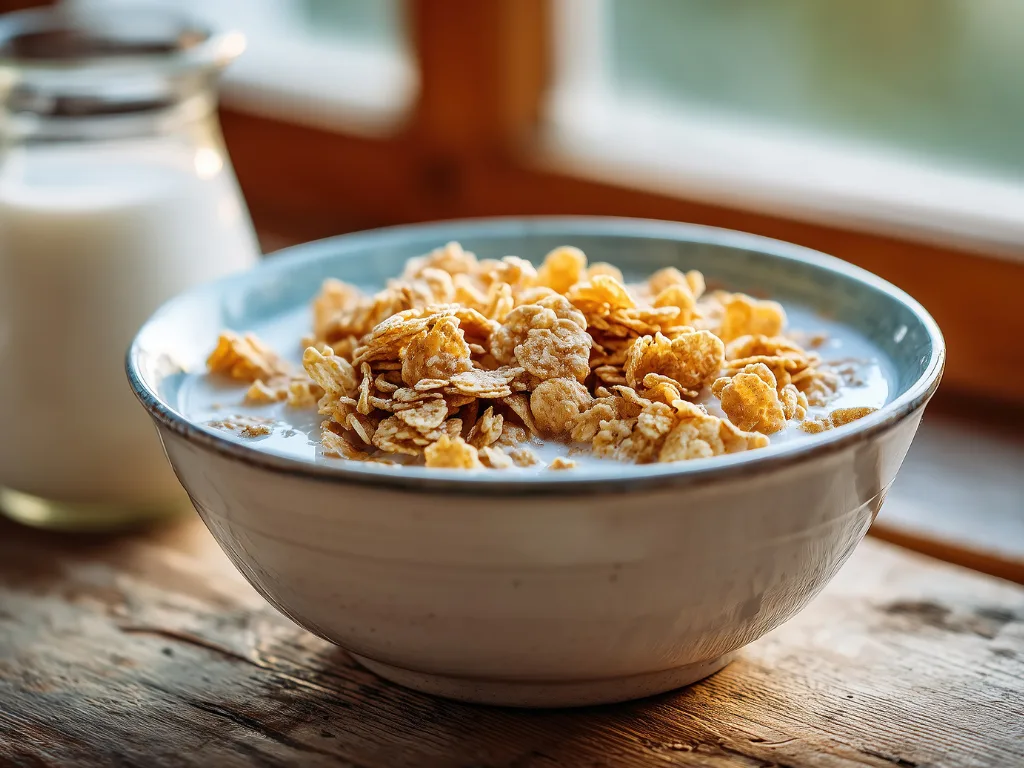
Bakery and Cereals
In bakery applications, hemp seed protein contributes structure and nutritional appeal, while rice isolate protein boosts protein content without compromising crumb softness or flavor.
Clean Label, Allergen-Friendly, and Regulatory Advantages
One of the strongest commercial arguments for hemp seed and rice isolate protein lies in their regulatory and labeling benefits.
Allergen Management
Rice protein isolate is free from common allergens such as dairy, soy, and gluten. Hemp seed protein, when sourced correctly, also supports allergen-conscious product positioning.
Clean-Label Positioning
Both proteins can be listed simply as “rice protein isolate” and “hemp seed protein,” aligning with consumer expectations for recognizable ingredients.
Global Market Compatibility
These proteins are increasingly accepted across global markets, making them suitable for brands targeting export-oriented growth strategies.
How Satoria Nutrisentials Supports Protein Innovation
Satoria Nutrisentials works closely with food and beverage manufacturers to deliver high-quality plant-based protein ingredients that meet technical, regulatory, and commercial requirements.
Ingredient Quality and Technical Support
Satoria Nutrisentials provides rice protein isolate and complementary plant-based ingredients designed for consistent performance in real-world manufacturing environments. Technical guidance helps manufacturers optimize solubility, texture, and stability based on application needs.
Integrated Formulation Solutions
Beyond protein, Satoria Nutrisentials offers functional ingredients such as fibers, sweetener systems, and nutritional enhancers that work synergistically with hemp seed and rice isolate protein to create balanced formulations.
B2B-Focused Partnership Approach
Rather than offering generic ingredients, Satoria Nutrisentials positions itself as a strategic ingredient partner, supporting R&D teams, procurement managers, and product developers from concept to commercialization.
Strategic Advantages for Manufacturers Choosing Hemp Seed and Rice Isolate Protein
For B2B buyers, selecting the right protein system is not just about nutrition—it is about scalability, reliability, and long-term brand value.
Hemp seed and rice isolate protein provide:
- Flexible formulation options across multiple product categories
- Strong alignment with clean-label and plant-based trends
- Reduced allergen risks and regulatory complexity
- Opportunities for product differentiation without extreme processing
When combined with technical support and high-quality sourcing, these proteins enable manufacturers to innovate confidently in competitive markets.
Partner with Satoria Nutrisentials for Advanced Plant-Based Protein Solutions
Building High-Performance Products with Hemp Seed and Rice Isolate Protein
Satoria Nutrisentials is committed to supporting manufacturers who want to develop next-generation plant-based products using reliable, functional, and market-ready ingredients. Whether you are formulating beverages, snacks, bakery products, or specialized nutrition, Satoria Nutrisentials provides the expertise and ingredient solutions needed to move from concept to commercial success.
Connect with Satoria Nutrisentials today to explore how hemp seed and rice isolate protein can elevate your product portfolio and strengthen your competitive advantage in the evolving food and beverage market.
Reference
- Food and Agriculture Organization of the United Nations. (2013). Dietary protein quality evaluation in human nutrition. https://www.fao.org/3/i3124e/i3124e.pdf
- House, J. D., Neufeld, J., & Leson, G. (2010). Evaluating the quality of protein from hemp seed (Cannabis sativa L.). Journal of Agricultural and Food Chemistry, 58(22), 11801–11807. https://doi.org/10.1021/jf102636b
- Joy, J. M., Lowery, R. P., Wilson, J. M., Purpura, M., & De Souza, E. O. (2013). The effects of 8 weeks of whey or rice protein supplementation on body composition and exercise performance. Nutrition Journal, 12(86). https://nutritionj.biomedcentral.com/articles/10.1186/1475-2891-12-86
- Riaz, M. N. (2011). Rice protein products. AOCS Press. https://doi.org/10.1016/B978-1-893997-67-6.50012-5
- Satoria Nutrisentials. (n.d.). Plant-based protein and functional ingredient solutions. https://satorianutrisentials.com/products/
Featured News
Category
Get a Promo and Keep Updated