
Oat Fiber vs Resistant Dextrin: Which Soluble Fiber Ingredient Is Right for Your Formulation?
What Is the Healthiest Sugar? A Clear Guide for Food Manufacturers Navigating Modern Consumer Demands
December 17, 2025
Natural Sweeteners - Articles
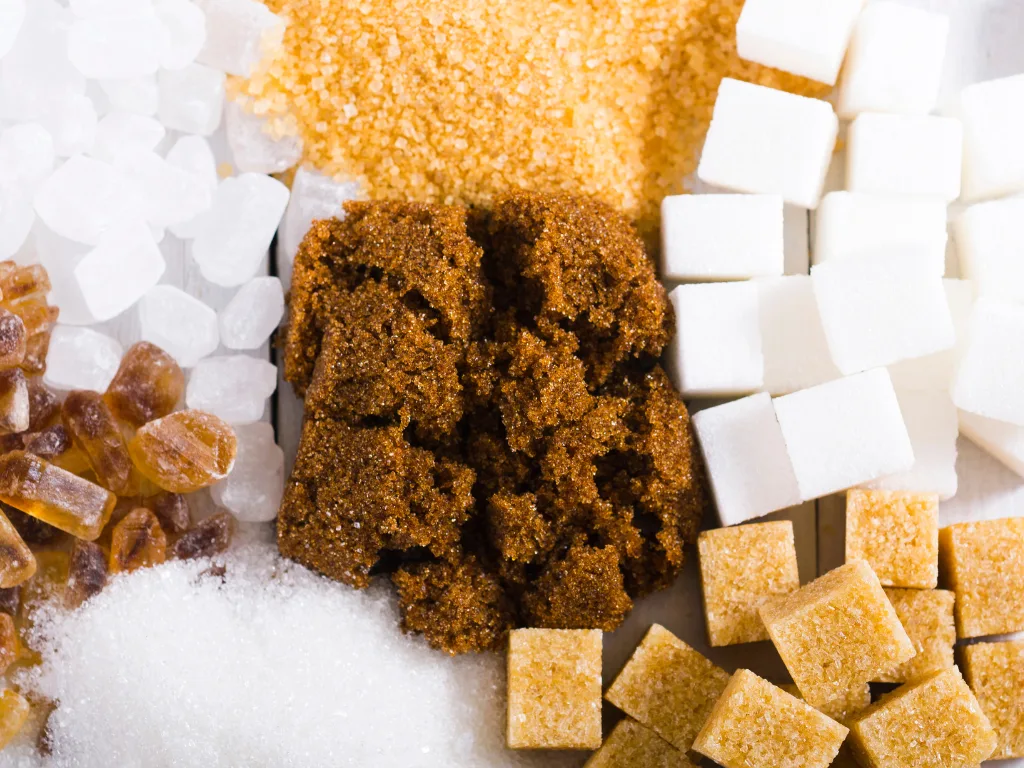
Consumers today are more informed than ever about the impact of sugar on metabolic health, gut function, and long-term wellness. As a result, food and beverage manufacturers face an essential question during reformulation: what is the healthiest sugar, and how should brands adapt their product portfolios accordingly? While the market is full of claims around “natural sugar,” “low-calorie sweeteners,” and “better-for-you ingredients,” the scientific truth is more nuanced.
There is no universally healthiest sugar—but there are healthier sugar systems that support reduced glycemic impact, improved digestive tolerance, and cleaner nutritional labels. These solutions allow manufacturers to maintain sweetness, texture, and consumer acceptance without relying on high-sugar formulations.
This article explores what “healthy sugar” truly means, how different sugar types compare, and why modern reformulation often relies on fiber-based sugar reduction systems such as resistant dextrin and Satoria Nutrisentials’ SweetSentials™—a smart approach for brands wanting both performance and consumer trust.
Understanding “Healthy Sugar” in a Manufacturing Context
For consumers, “healthy sugar” often refers to something natural, less processed, or plant-derived. From a food science standpoint, however, the definition is more complex. Manufacturers must consider several variables that impact nutritional value, regulatory compliance, and product performance.
A healthier sugar solution must address:
- Glycemic impact
- Digestive tolerance
- Metabolic effects
- Clean-label compliance
- Application stability
- Flavor and texture performance
These criteria are central to answering the question: what is the healthiest sugar for product development?
Manufacturers are not only responding to shifts in health trends. They are navigating policy changes, global dietary guidelines, and retailer requirements for reduced sugar. As a result, the industry has moved away from searching for a “perfect sugar” and toward embracing blended sugar alternatives that combine sweetness, functionality, and nutritional benefits.
Why No Single Sugar Can Be Considered the “Healthiest”
Despite consumer fascination with options like coconut sugar, honey, or maple syrup, these ingredients still behave similarly to sucrose in terms of glycemic response and calorie contribution. Their perceived benefits often come from trace minerals, but these are nutritionally insignificant in typical serving sizes.
For manufacturers, switching to minimally refined sugars does not meaningfully change the nutritional profile of a product. This highlights a key reality: the healthiest sugar is not a specific type of traditional sugar but a system that reduces sugar’s negative impact.
This shift explains why B2B product developers increasingly rely on functional fibers, sweetener blends, and sugar reduction systems that maintain palatability and mouthfeel. Resistant dextrin has become a central component of these systems, offering both functional and nutritional improvements across categories.
How Manufacturers Evaluate Healthier Sugar Options
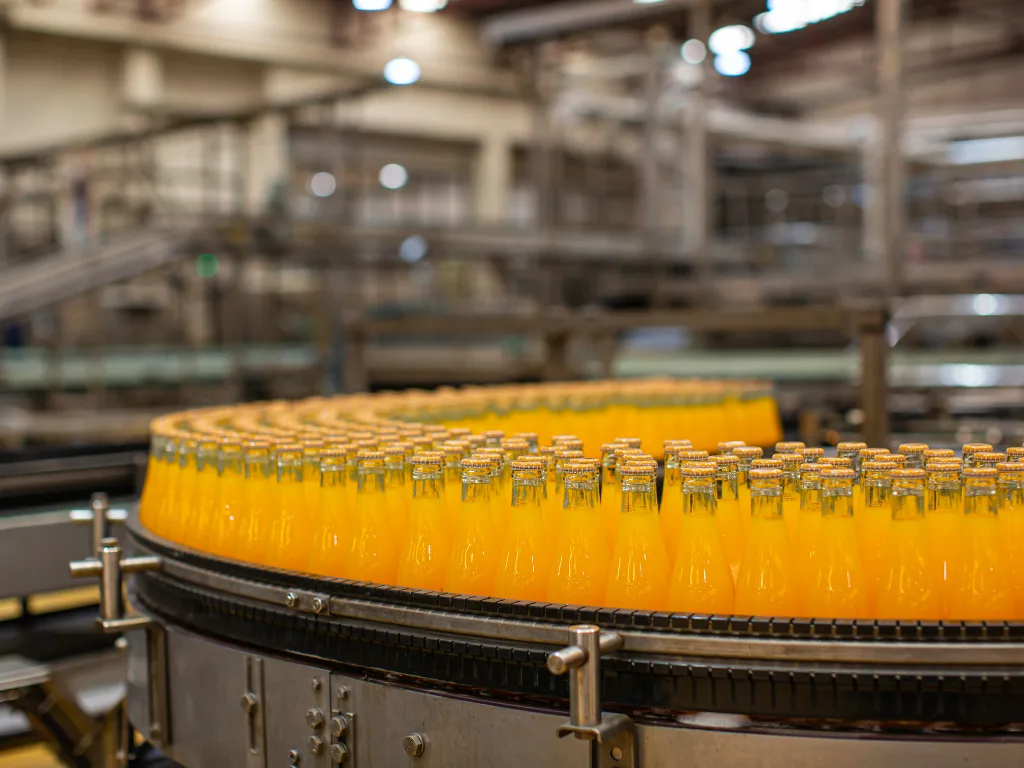
Food and beverage R&D teams use several criteria to determine the most appropriate sugar alternative or reduced-sugar strategy. These criteria help clarify the modern answer to what is the healthiest sugar in the context of commercial application.
1. Glycemic Response
One of the most important metrics is how quickly a sugar raises blood glucose levels. Most natural sugars—brown sugar, cane sugar, honey, maple syrup—produce similar glycemic spikes as sucrose.
Functional fibers such as resistant dextrin, however, have minimal to no impact on blood glucose, making them a key component in low-GI formulations.
2. Digestive Tolerance
Sugar alcohols like maltitol or xylitol are common in sugar-free applications, but they bring a higher risk of digestive discomfort.
A healthier sugar system must deliver improved tolerance, especially for high-consumption categories such as:
- Ready-to-drink beverages
- Confectionery
- Bakery snacks
- Dairy and plant-based alternatives
Resistant dextrin remains one of the most tolerated soluble fibers, even at higher inclusion levels.
3. Taste and Mouthfeel
Consumers reject products that compromise flavor. This is why pure stevia or monk fruit often requires additional ingredients to mask off-notes or achieve sugar-like bulk.
A functional sugar system must ensure:
- Clean sweetness
- Balanced flavor release
- Pleasant viscosity
- Sugar-like crystallization where needed
4. Clean-Label Compliance
Modern consumers expect ingredient lists to be simple and meaningful. Clean-label sugar systems must be:
- Plant-derived
- Non-GMO
- Easily understood
- Halal and vegan friendly
- Globally compliant
Satoria Nutrisentials’ product range is built around these expectations, offering formulation-friendly ingredients that meet global clean-label trends.
Evaluating Sugar Alternatives Through a B2B Lens
The conversation about what is the healthiest sugar must also take into account operational and technical factors. Beyond consumer benefits, manufacturers must assess:
- Supply chain reliability
- Cost efficiency
- Scalability across product lines
- Heat and acid stability
- Solubility and dissolution performance
- Compatibility with existing processes
Natural sweeteners like honey or agave do not meet these industrial criteria consistently. This is why the industry is shifting toward engineered sweetness systems that pair well with large-scale production environments.
Why Fiber-Based Sugar Reduction Systems Are Becoming the Industry Standard
As manufacturers recognize that no single sugar can be labeled “healthy,” they increasingly adopt fiber-enhanced sugar reduction systems that preserve sweetness while improving nutritional value.
These systems often combine:
- Resistant dextrin (for bulk, fiber enrichment, digestive tolerance)
- High-intensity sweeteners (for sweetness restoration)
- Natural flavors or masking agents (to fine-tune taste)
This combination enables brands to significantly reduce sugar content while maintaining product integrity. Among these solutions, resistant dextrin stands out for its versatility and compatibility with Satoria Nutrisentials’ sweetener portfolio.
Resistant Dextrin: A Foundation for Healthier Sugar Systems
Resistant dextrin is one of the most effective tools for manufacturers exploring healthier sugar alternatives. It offers a neutral flavor, exceptional solubility, and strong process stability—making it suitable for beverages, sauces, baked goods, plant-based dairy, and sports nutrition products.
Key Advantages of Resistant Dextrin Include:
- Minimal impact on blood glucose
- Strong digestive tolerance
- Prebiotic benefits that support gut health
- Clean-label positioning
- Excellent heat and acid stability
- Improves viscosity and mouthfeel
- Replaces bulk lost during sugar reduction
In categories such as flavored beverages or dairy alternatives, resistant dextrin also helps achieve lighter sweetness profiles that consumers associate with healthier products.
By incorporating resistant dextrin into sugar reduction systems, manufacturers can move beyond the question of what is the healthiest sugar and instead deliver products that meet nutritional expectations without sacrificing taste or functionality.
Introducing SweetSentials™: A Smarter Approach to Sugar Reduction
SweetSentials™, Satoria Nutrisentials’ sweetener solution, provides manufacturers with a proprietary blend designed for cleaner sweetness delivery. It pairs especially well with resistant dextrin to form a sugar reduction system that is:
- Clean-tasting
- Stable under processing conditions
- Easy to integrate into existing manufacturing lines
- Suitable for beverages, bakery, confectionery, and dairy applications
Why SweetSentials™ Is Relevant for Modern Reformulation
- Supports low-glycemic and reduced-sugar claims
- Provides predictable sweetness intensity
- Helps manufacturers avoid taste issues commonly associated with stevia-only approaches
- Supports long-term brand positioning in healthy lifestyle categories
Together with resistant dextrin, SweetSentials™ can help bridge the gap between sensory performance and clean-label nutritional enhancement.
Why Functional Sugar Systems Outperform Traditional Sugar Alternatives
Manufacturers often test individual sugar replacements without realizing that isolated ingredients cannot replace the full functionality of sucrose. Sugar contributes bulk, browning, viscosity, and flavor release.
A healthier sugar strategy must therefore approach reformulation holistically. Fiber-based systems allow R&D teams to:
- Lower sugar content
- Improve nutritional density
- Maintain consumer-preferred sweetness profiles
- Enhance digestive benefits
- Support regulatory compliance for sugar reduction targets
This approach aligns strongly with market demand for reduced-sugar innovations across categories such as functional beverages, high-protein snacks, frozen desserts, and plant-based alternatives.
What “Healthiest Sugar” Should Mean for Food and Beverage Manufacturers
Given today’s nutrition science and consumer expectations, manufacturers should redefine what is the healthiest sugar not as a single ingredient, but as a strategy.
A healthier sugar system is one that:
- Reduces glycemic load
- Enhances fiber content
- Supports digestive comfort
- Maintains desirable taste and texture
- Meets clean-label standards
- Scales reliably in production
By leveraging solutions like resistant dextrin and SweetSentials™, manufacturers can innovate confidently while staying aligned with global wellness trends.
Choosing the Right Solution for Your Product Category
Beverage Applications
Resistant dextrin provides clarity and stability, while SweetSentials™ ensures sugar-like sweetness.
Bakery and Confectionery
Fiber-based systems support browning, moisture retention, and bulk—critical for cookies, cakes, and gummies.
Dairy and Plant-Based Alternatives
Clean-label sugar reduction is essential in yogurt, ice cream, and milk alternatives; resistant dextrin provides viscosity and smoothness.
Sports and Nutrition Products
Pea protein blends combined with resistant dextrin support both digestive comfort and sugar reduction, ideal for protein powders and nutrition bars.
Across categories, the goal is the same: deliver better sweetness, better nutrition, and better consumer trust.
The Future of Healthy Sweetening: From Sugar Replacement to Nutritional Enhancement
The next generation of food innovation is not about finding one perfect sugar. It’s about rethinking how sweetness is engineered. Manufacturers will increasingly adopt:
- Fiber-enriched formulations
- Low-glycemic sweetener blends
- Customized sugar reduction systems
- Clean-label natural sweeteners
- Functional nutrition pairings with proteins and fibers
This direction reflects the industry’s broadening perspective on what is the healthiest sugar—not simply a sweetener, but a system that delivers holistic wellness benefits.
Partner With Satoria Nutrisentials for Healthier Sugar Reformulation
Satoria Nutrisentials provides functional ingredients designed to help manufacturers meet rising health-conscious demands with confidence. Whether you’re developing low-sugar beverages, high-fiber snacks, or clean-label plant-based products, our ingredients—including Resistant Dextrin, SweetSentials™, and Pea Protein solutions—support both nutritional goals and exceptional product performance.
Our technical team can help you design custom sugar-reduction systems that enhance taste, stability, and consumer acceptance while aligning with global regulatory standards.
Build Better Sweetness Systems With Satoria Nutrisentials
Let’s work together to transform your next product launch with cleaner sweetness, improved nutrition, and high-performance functional ingredients.
Reach out to our formulation support team at www.satorianutrisentials.com
Reference
- Cavalcante, J. L., et al. (2023). Glycemic responses to natural and refined sugars. Journal of Nutritional Science.
- Food and Agriculture Organization. (2022). Sugar alternatives and global dietary guidelines. FAO Publications.
- Health Canada. (2023). Guidelines for sugar reduction and fiber fortification. Government of Canada.
- Liu, S., & Willett, W. (2020). Dietary carbohydrates and chronic disease risk. Nutrition Reviews.
- Rodriguez, N., et al. (2021). Functional fibers in modern food formulation. Food Hydrocolloids Research.
- World Health Organization. (2023). Global recommendations on sugar intake for adults and children. WHO Press.
Featured News
Category
Get a Promo and Keep Updated