
Oat Fiber vs Resistant Dextrin: Which Soluble Fiber Ingredient Is Right for Your Formulation?
How Is Pea Protein Made? A Complete Guide for Food and Beverage Manufacturers
January 12, 2026
Protein & Nutritional Enhancers - Articles

Pea protein has become one of the most widely adopted plant-based protein ingredients in global food and beverage manufacturing. For product developers, R&D teams, and procurement managers, understanding how is pea protein made is no longer optional—it directly influences formulation performance, cost efficiency, and product positioning.
As demand grows for clean-label, plant-based, and functional nutrition products, pea protein stands out for its versatility, sustainability, and broad regulatory acceptance. This article provides a manufacturing-focused breakdown of the pea protein production process, its functional implications, and how ingredient partners such as Satoria Nutrisentials support scalable, market-ready formulations.
Understanding Pea Protein and Its Role in Modern Formulation
Pea protein is derived primarily from yellow split peas (Pisum sativum), processed to concentrate protein while minimizing starch, fiber, and unwanted flavors. Unlike raw pea flour, pea protein is engineered for consistency and performance in finished applications.
From a B2B manufacturing perspective, pea protein is valued because it:
- Supports clean-label and plant-based claims
- Is naturally dairy-free, soy-free, and gluten-free
- Offers functional benefits beyond nutrition
- Performs well across multiple processing conditions
Knowing how is pea protein made allows manufacturers to select the right protein format and processing approach for specific product goals.
How Is Pea Protein Made: Raw Material Selection and Preparation
The production process begins with careful raw material selection. Yellow peas are chosen based on protein content, consistency, and supply stability.
Initial preparation includes:
- Cleaning and sorting to remove impurities
- Dehulling to reduce fiber and improve protein purity
- Milling into fine pea flour to improve extraction efficiency
Raw material quality directly impacts protein yield, flavor profile, and functionality. Ingredient suppliers with strong sourcing controls help manufacturers achieve batch-to-batch consistency—critical for large-scale production.
Wet Fractionation: The Core Manufacturing Process
Commercial pea protein is most commonly produced using wet fractionation, a water-based separation method that isolates protein from starch and fiber.
Protein Solubilization
Milled pea flour is mixed with water and adjusted to an alkaline pH. Under these conditions, pea proteins become soluble while other components remain insoluble.
Separation and Centrifugation
The slurry is centrifuged to separate:
- Soluble protein fraction
- Insoluble fiber fraction
- Starch-rich fraction
This step plays a major role in determining protein purity and functionality.
Protein Precipitation
The protein-rich liquid is then adjusted to a different pH level, causing the protein to precipitate out of solution. The extent of purification at this stage defines whether the final ingredient becomes a pea protein concentrate or pea protein isolate.
Washing and Drying
The protein curd is washed to remove residual starch and minerals, then dried—typically using spray drying—to create a stable, free-flowing powder suitable for food and beverage applications.
Pea Protein Concentrate vs Pea Protein Isolate
Understanding the difference between these two formats is essential when designing formulations.
Pea Protein Concentrate
- Typically contains 55–65% protein
- Retains more fiber and micronutrients
- Cost-effective for snacks and baked goods
- Adds structure and bulk
Pea Protein Isolate
- Typically contains 80–85% protein
- Lower starch and fiber content
- Improved solubility and neutral taste
- Ideal for beverages, sports nutrition, and medical foods
Satoria Nutrisentials works closely with manufacturers to select the most suitable protein type based on application, processing conditions, and nutritional targets.
Functional Properties Shaped by the Manufacturing Process
The way pea protein is made has a direct impact on its functional behavior in finished products.
Key properties include:
- Solubility, critical for ready-to-drink beverages
- Emulsification, supporting stability in plant-based dairy
- Water-binding capacity, improving texture in meat alternatives
- Foaming and gelling, useful in bakery and dessert formulations
Controlled processing and ingredient standardization ensure predictable performance—an essential requirement for B2B manufacturers operating at scale.
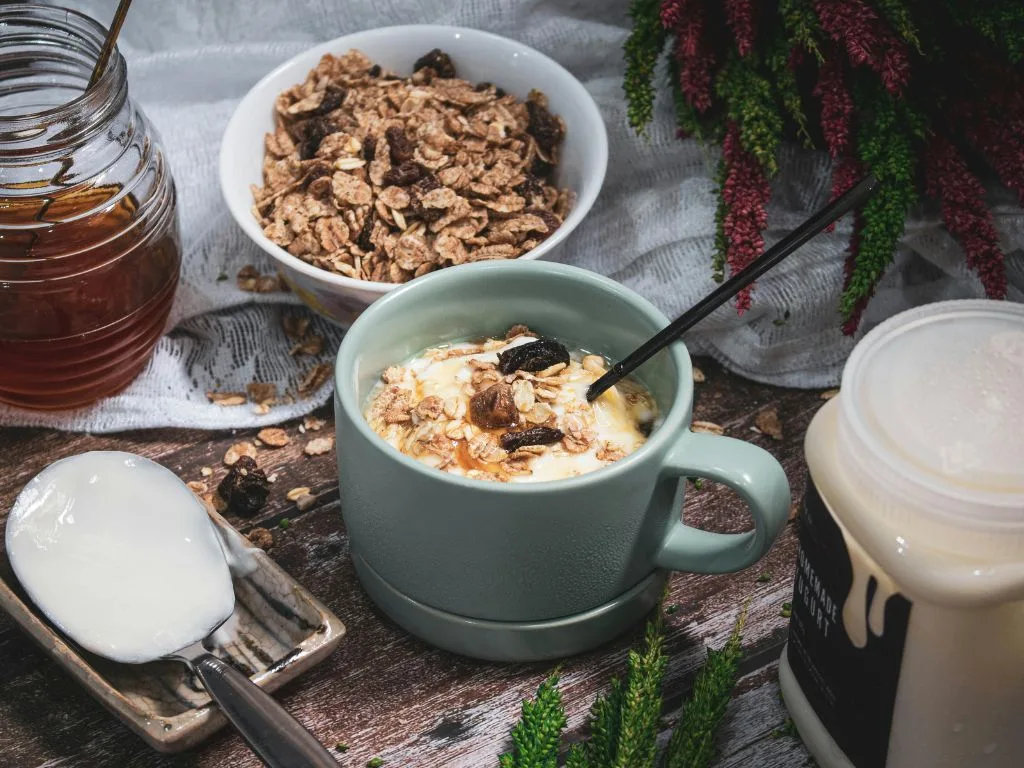
Applications Across Food and Beverage Categories
Thanks to its versatility, pea protein is widely used in:
- Plant-based milk and yogurt alternatives
- Protein powders and sports nutrition
- Functional beverages and meal replacements
- High-protein snacks and bars
- Bakery and confectionery products
In many formulations, pea protein is combined with functional fibers, resistant dextrins, and clean-label sweetener systems—areas where Satoria Nutrisentials offers complementary ingredient solutions.
Quality Control, Safety, and Regulatory Considerations
For manufacturers, ingredient quality extends beyond nutritional content.
Reliable pea protein production includes:
- GMP- and HACCP-compliant manufacturing
- Full traceability from raw material to finished product
- Microbiological and heavy metal testing
- Compliance with major global food regulations
Working with experienced ingredient partners reduces regulatory risk while supporting faster product development cycles.
Sustainability and Supply Chain Considerations
Pea protein is increasingly selected for its sustainability advantages.
Compared to animal-based proteins, pea protein:
- Requires significantly less water
- Produces lower greenhouse gas emissions
- Supports crop rotation and soil health
- Aligns with ESG-driven procurement strategies
These attributes make pea protein attractive not only to consumers, but also to manufacturers with long-term sustainability goals.
Ingredient Synergy: Building Functional Protein Systems
In modern formulations, pea protein rarely functions alone. It is often paired with:
- Resistant dextrin for fiber enrichment
- Natural sweeteners for sugar reduction
- Plant-based fats for improved mouthfeel
- Stabilizers for texture and shelf-life control
Satoria Nutrisentials’ product portfolio allows manufacturers to design integrated functional systems, simplifying formulation while enhancing sensory performance.
Why Understanding How Is Pea Protein Made Matters
A clear understanding of how is pea protein made enables manufacturers to:
- Choose the right protein grade for each application
- Improve taste, texture, and stability
- Optimize cost-in-use rather than raw material cost
- Communicate ingredient benefits with confidence
This knowledge transforms pea protein from a commodity ingredient into a strategic formulation asset.
Ready to Develop High-Performance Pea Protein Formulations?
Selecting the right pea protein—and understanding how it is produced—can significantly impact product success.
If you are developing plant-based, high-protein, or functional food and beverage products, partner with an ingredient supplier that understands both manufacturing realities and formulation performance.
Explore Satoria Nutrisentials’ pea protein and functional ingredient solutions to support scalable, clean-label, and market-ready product development.
Reference
- Boye, J., Zare, F., & Pletch, A. (2010). Pulse proteins: Processing, characterization, functional properties and applications in food and feed. Food Research International, 43(2), 414–431. https://doi.org/10.1016/j.foodres.2009.09.003
- Day, L. (2013). Proteins from land plants – Potential resources for human nutrition and food security. Trends in Food Science & Technology, 32(1), 25–42. https://doi.org/10.1016/j.tifs.2013.03.005
- Joshi, M., & Timilsena, Y. (2021). Pea protein: Processing, properties, and applications. Journal of Food Science, 86(1), 48–63. https://doi.org/10.1111/1750-3841.15587
- Stone, A. K., Karalash, A., Tyler, R. T., Warkentin, T. D., & Nickerson, M. T. (2015). Functional attributes of pea protein isolates prepared using different extraction methods. Food Research International, 76, 31–38. https://doi.org/10.1016/j.foodres.2014.11.017
- Tulbek, M. C., Lam, R. S. H., Wang, Y., Asavajaru, P., & Lam, A. (2017). Pea: A sustainable vegetable protein crop. Cereal Foods World, 62(3), 102–107.
https://doi.org/10.1094/CFW-62-3-0102
Featured News
Category
Get a Promo and Keep Updated