
Rice Protein Isolate for Non-Dairy Sports Recovery RTD Shakes: A Formulator’s Guide
Technology in Food Industry: How Innovation Is Reshaping Modern Food Manufacturing
January 13, 2026
General - Articles
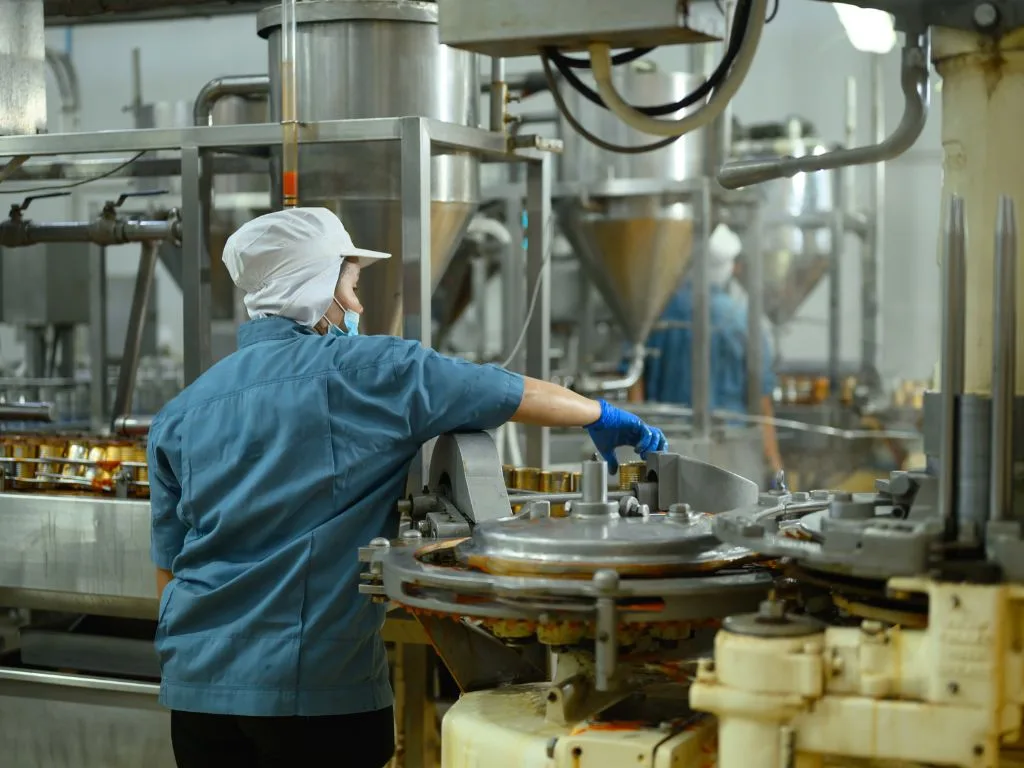
The technology in food industry has evolved far beyond basic automation. Today, it plays a central role in how food products are formulated, produced, scaled, and delivered to market. For food and beverage manufacturers, technology is no longer just about efficiency—it is a strategic tool for improving nutrition, meeting regulatory demands, enhancing sensory quality, and responding to fast-changing consumer expectations.
As clean label, functional nutrition, and plant-based innovation continue to grow, ingredient selection and formulation technology are becoming increasingly critical. Companies that understand how technology integrates with food science are better positioned to develop products that balance health, taste, stability, and cost at scale.
This article explores how technology in the food industry is shaping modern manufacturing, with a focus on formulation innovation, functional ingredients, and scalable solutions relevant to B2B food manufacturers.
The Expanding Role of Technology in Food Industry
Technology in the food industry now influences every stage of the product lifecycle—from ingredient sourcing and formulation to processing, quality control, and shelf-life management.
Rather than replacing traditional food science, modern technologies enhance precision and predictability. This allows manufacturers to reduce trial-and-error, shorten development timelines, and maintain consistency across large-scale production.
Key drivers behind this shift include:
- Rising demand for functional and health-forward products
- Regulatory pressure for transparent labeling and safety compliance
- The need for cost-effective, scalable ingredient solutions
- Consumer expectations around taste, texture, and nutritional value
These factors have accelerated investment in formulation technology, ingredient functionality, and data-driven manufacturing systems.
Smart Ingredient Technology and Functional Food Development
One of the most significant advances in the technology in food industry is the development of smart functional ingredients. These ingredients are designed not only to deliver nutrition, but also to perform specific technical roles in food systems.
Functional ingredients now support:
- Texture and mouthfeel enhancement
- Sugar and fat reduction strategies
- Fiber enrichment without sensory compromise
- Protein fortification with improved solubility and stability
Technologies behind these ingredients include controlled hydrolysis, fermentation, and advanced drying methods, which allow precise control over particle size, solubility, and functionality.
For manufacturers, this means fewer formulation challenges and more predictable performance across applications such as beverages, bakery, snacks, dairy alternatives, and nutritional products.
Food Processing Technology and Manufacturing Efficiency
Modern food processing technology has shifted toward gentler, more controlled methods that preserve ingredient functionality while maintaining safety and efficiency.
Technologies such as:
- Low-temperature processing
- Precision blending systems
- Advanced emulsification techniques
- Improved drying and encapsulation processes
help protect sensitive nutrients like proteins, fibers, and sweeteners from degradation.
In large-scale production, these technologies reduce waste, improve yield consistency, and allow better integration of functional ingredients into existing manufacturing lines. This is especially important when working with plant-based proteins, dietary fibers, and alternative sweeteners that require careful handling to maintain performance.
Technology in Food Industry and Clean Label Formulation
Clean label innovation is closely tied to advances in food technology. Consumers increasingly expect products with fewer ingredients, recognizable names, and clear functional benefits—without sacrificing taste or texture.
To achieve this, manufacturers rely on ingredient technologies that provide multiple functions within a single component. For example:
- Dietary fibers that act as both bulking agents and prebiotics
- Plant proteins that support structure, nutrition, and satiety
- Sweetening systems that reduce sugar while maintaining mouthfeel
These solutions reduce the need for artificial stabilizers or fillers, making clean label claims more achievable without compromising product quality.
Advances in Plant-Based Protein Technology
Plant-based protein innovation is one of the fastest-growing areas within the technology in food industry. Advances in extraction and purification processes have significantly improved the taste, texture, and solubility of plant proteins.
Modern protein technologies focus on:
- Reducing off-notes and bitterness
- Improving dispersion in liquid systems
- Enhancing heat and pH stability
- Supporting high-protein formulations without grittiness
Pea protein, rice protein, and other plant-based options are now widely used in beverages, bars, snacks, and dairy alternatives thanks to these improvements. For B2B manufacturers, this opens opportunities to meet protein fortification targets while maintaining sensory appeal.
Fiber Technology and Gut Health Innovation
Dietary fiber has moved from being a secondary nutritional consideration to a core functional ingredient. Advances in fiber technology allow manufacturers to increase fiber content without negatively affecting texture or taste.
Resistant dextrin and other soluble fibers are now commonly used to:
- Improve digestive health positioning
- Reduce sugar and calorie content
- Enhance mouthfeel and bulk
- Support low-GI and functional claims
These fibers dissolve easily, remain stable during processing, and integrate seamlessly into a wide range of food and beverage applications. From a formulation standpoint, they are far more versatile than traditional insoluble fibers.
Alternative Sweetener Technology and Sugar Reduction
Sugar reduction remains one of the biggest formulation challenges in the food industry. Technology plays a critical role in enabling sweetener systems that deliver sweetness, bulk, and stability without the downsides of high sugar content.
Modern sweetener technology focuses on:
- Blending polyols and high-intensity sweeteners
- Improving sweetness onset and aftertaste
- Supporting clean label and low-calorie positioning
- Maintaining texture in reduced-sugar products
These systems allow manufacturers to meet regulatory and consumer demands while preserving the sensory qualities that drive repeat purchase.
Digitalisation and Data-Driven Food Manufacturing
Beyond ingredients, digital technology is transforming how food manufacturers operate. Data-driven systems now support formulation accuracy, traceability, and quality control.
Key applications include:
- Digital formulation modelling
- Ingredient performance tracking
- Batch consistency monitoring
- Regulatory documentation automation
For B2B manufacturers, these technologies reduce development risk and support faster product launches. They also improve collaboration between R&D, procurement, and production teams by creating a shared data framework.
Sustainability and Technology in Food Industry
Sustainability is increasingly intertwined with food technology. Modern ingredient technologies aim to reduce environmental impact while maintaining performance and scalability.
Examples include:
- Plant-based proteins with lower carbon footprints
- Fibers derived from renewable sources
- Efficient processing methods that reduce water and energy usage
These advances support sustainability goals without requiring manufacturers to compromise on product quality or production efficiency. For brands, this creates opportunities to align environmental responsibility with commercial viability.
Technology-Driven Quality and Safety Assurance
Food safety remains a non-negotiable priority, and technology continues to strengthen quality assurance systems across the industry.
Advanced monitoring and testing technologies now allow:
- Real-time quality control
- Improved allergen management
- Enhanced traceability across supply chains
- Better compliance with global food regulations
For manufacturers working across multiple markets, these systems are essential for maintaining trust, reducing recalls, and ensuring consistent product standards.
How Ingredient Technology Supports Product Differentiation
In competitive markets, differentiation often comes down to formulation quality rather than branding alone. Ingredient technology allows manufacturers to create products with:
- Clear functional benefits
- Improved sensory experience
- Stable performance across formats
- Scalable production readiness
By leveraging advanced functional ingredients, brands can move faster from concept to commercialization while reducing formulation risk.
This is particularly valuable for companies developing health-focused, functional, or plant-based products where performance expectations are high.
Aligning Innovation with Market Readiness
One of the challenges in adopting new technology in the food industry is ensuring market readiness. Innovation must align with consumer acceptance, regulatory frameworks, and production feasibility.
Successful manufacturers evaluate technology based on:
- Application versatility
- Supply chain reliability
- Regulatory compliance
- Cost-in-use efficiency
Ingredient partners that understand these realities play a crucial role in helping manufacturers bridge the gap between innovation and execution.
Building Smarter Formulations with Ingredient-Driven Technology
As food technology continues to advance, the role of ingredient specialists becomes increasingly important. Functional ingredients are no longer commodities—they are strategic tools that shape product success.
Companies like Satoria Nutrisentials support manufacturers by providing ingredient solutions that align with modern formulation challenges. Their portfolio of functional fibers, plant-based proteins, and alternative sweeteners is designed to perform reliably across diverse applications while supporting clean label, nutrition, and scalability goals.
A Smarter Way Forward for Food Manufacturers
Technology in the food industry is not about chasing trends—it is about making informed, strategic choices that support long-term growth. Manufacturers that invest in the right ingredient technologies gain greater control over formulation outcomes, faster development cycles, and stronger market positioning.
As consumer expectations continue to evolve, the ability to integrate functional ingredients with proven performance will define the next generation of successful food and beverage brands.
Advancing Formulation Innovation with Functional Ingredients
If your team is exploring ways to improve nutrition, texture, or sugar reduction while maintaining scalability, the right ingredient technology makes all the difference.
Satoria Nutrisentials works closely with food and beverage manufacturers to support smarter formulations using functional fibers, plant-based proteins, and advanced sweetening solutions—helping bridge innovation and real-world production needs.
Explore how functional ingredient technology can elevate your next formulation.
Reference
- Food and Agriculture Organization of the United Nations. (2022). Food processing and innovation in modern food systems. FAO Publishing. https://www.fao.org
- Institute of Food Technologists. (2023). Food technology trends and ingredient innovation. IFT. https://www.ift.org
- World Health Organization. (2021). Guidelines on sugar reduction and dietary fiber intake. WHO Press. https://www.who.int
- European Food Safety Authority. (2022). Scientific opinions on novel food ingredients and processing. EFSA Journal. https://www.efsa.europa.eu
- Mintel. (2023). Global food and beverage innovation report. Mintel Group Ltd. https://www.mintel.com
Featured News
Category
Get a Promo and Keep Updated