
Rice Protein Isolate for Non-Dairy Sports Recovery RTD Shakes: A Formulator’s Guide
Kosher Certified Resistant Dextrin: What It Is, Why It Matters, and How to Source It Right
May 25, 2026
Resistant Dextrin - Articles
f you’re formulating food or beverage products for kosher markets, you already know the stakes are high. Every ingredient has to clear a rigorous religious compliance process — and that’s before you even think about nutrition, functionality, or cost. So when a single ingredient can check all those boxes at once, that’s worth paying attention to.
Kosher certified resistant dextrin is exactly that kind of ingredient. It’s a soluble prebiotic fiber with impressive health credentials, excellent processing versatility, and — when sourced correctly — full kosher certification that satisfies both manufacturers and end consumers. Let’s break down everything you need to know.
What Is Resistant Dextrin, Exactly?
Resistant dextrin is a type of soluble dietary fiber made by partially hydrolyzing starch — typically from corn or tapioca — and then allowing some of the resulting fragments to re-polymerize in a structure that resists digestion in the small intestine. The result is a fiber that behaves more like a prebiotic than a starch, feeding beneficial gut bacteria while contributing minimal calories.
Also referred to as indigestible dextrin or resistant maltodextrin, it’s functionally distinct from regular maltodextrin in one critical way: the digestive system can’t fully break it down. Instead, it moves into the large intestine intact, where it becomes food for Bifidobacterium and Lactobacillus species — the very bacteria linked to better gut health, immune function, and metabolic balance.
In terms of applications, resistant dextrin is remarkably versatile. It dissolves easily in water, remains stable across a broad pH range (2–7), and holds up to high temperatures — making it suitable for everything from clear beverages and protein bars to soups, baked goods, and dairy alternatives.
Why Kosher Certification Changes Everything for B2B Buyers
Kosher certification isn’t just a religious formality. For many food manufacturers, it’s a commercial strategy. Kosher-certified products are accepted by a significantly wider consumer base — not just observant Jewish consumers, but also Muslims, vegetarians, and health-conscious buyers who associate the kosher label with stricter ingredient oversight.
For an ingredient like resistant dextrin, kosher status affects the entire supply chain. The source starch must come from an approved origin. The processing equipment must be certified. Any additives or processing aids used in manufacturing must also meet kosher standards. This means that working with a verified kosher dietary fiber ingredient supplier isn’t just about paperwork — it’s about traceability at every stage of production.
Here’s what to look for when evaluating kosher compliance in a resistant dextrin supplier:
- A recognized kosher certification body (such as the Orthodox Union, OK Kosher, or Australian Kosher certification)
- Kosher-certified source materials — whether corn, tapioca, or cassava starch
- Documentation that covers both the manufacturing plant and the finished ingredient
- Renewal records — kosher certification requires regular audits and renewals, not just a one-time stamp
Corn vs. Tapioca vs. Cassava: Which Kosher Source Is Right for Your Product?
Resistant dextrin can be derived from several starch sources, each with its own functional profile and positioning advantages. When you’re buying in bulk as a food grade kosher resistant dextrin, the source material matters more than most buyers realize — both for compliance and for formulation outcomes.

Kosher Corn Resistant Dextrin
Corn-derived resistant dextrin has the longest track record and is the most widely used in the industry. It tends to have a very neutral flavor and excellent water solubility. For brands working with a kosher corn resistant dextrin supplier, the challenge is often ensuring non-GMO status, since most commercial corn starch originates from genetically modified crops. Certified non-GMO and kosher corn dextrin exists, but it requires careful supplier vetting.
Kosher Tapioca Resistant Dextrin
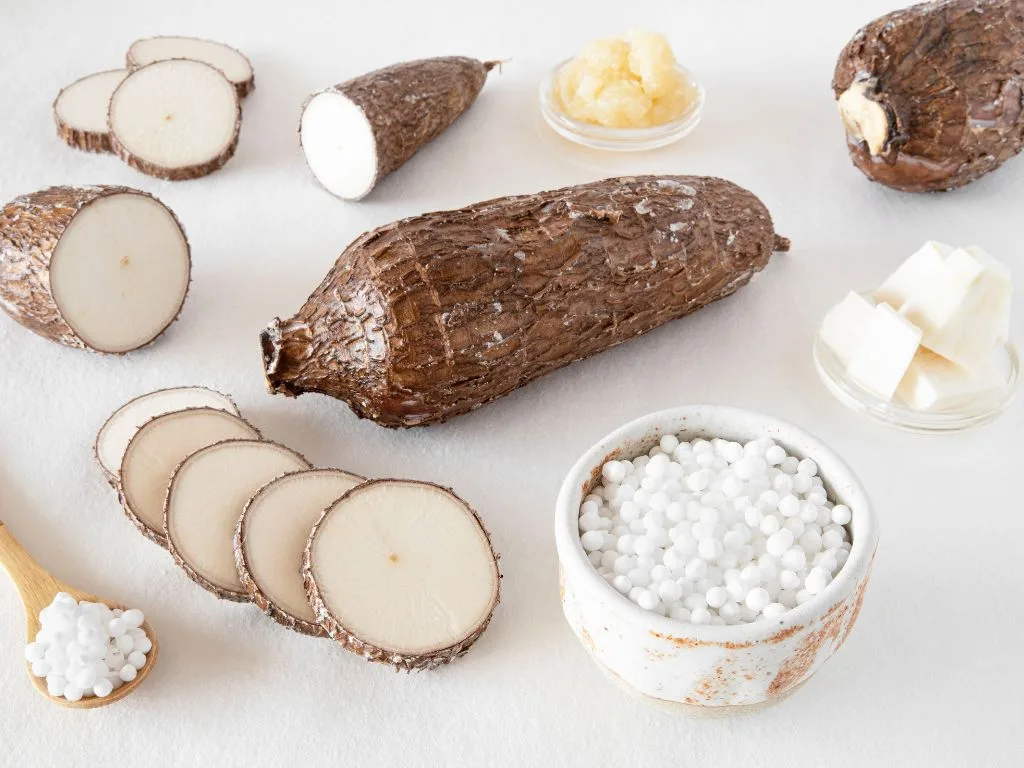
Tapioca (derived from cassava) offers a naturally non-GMO alternative with a clean flavor profile. A kosher tapioca resistant dextrin supplier can provide an ingredient that resonates strongly with clean-label and allergen-free markets, since tapioca is free from the top allergens and typically grown without genetic modification. It’s particularly well-suited for plant-based and free-from product lines.
Kosher Cassava Resistant Dextrin
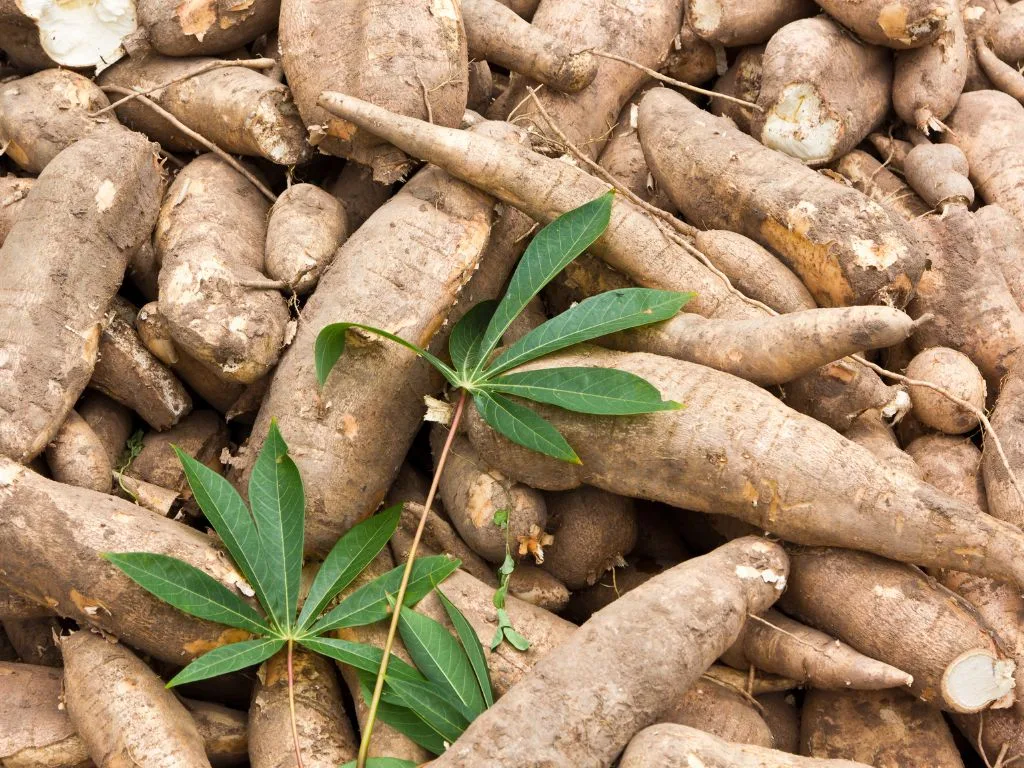
Cassava and tapioca starch are closely related — tapioca is, in fact, extracted from cassava root. Kosher cassava resistant dextrin is essentially the same product under a slightly different labeling convention. Some suppliers differentiate the two by the extraction and refinement process. Either way, the clean-label, allergen-free positioning is a strong selling point for modern food brands.
The Health Benefits That Make It Worth Formulating With
Why are so many food manufacturers going out of their way to source a kosher indigestible dextrin supplier? The short answer: the science is compelling, and the consumer demand is real.
Research published in peer-reviewed journals has consistently shown that resistant dextrin delivers a meaningful prebiotic effect — selectively stimulating the growth of beneficial gut bacteria. A study in the Journal of Nutrition found that regular supplementation with soluble corn fiber (a form of resistant dextrin) significantly increased populations of Bifidobacterium in the gut within just four weeks.
Beyond gut health, the evidence base also supports the following benefits:
- Blood glucose management: Resistant dextrin slows glucose absorption, helping to blunt post-meal blood sugar spikes — an effect well-documented in multiple randomized controlled trials.
- Cholesterol reduction: Soluble fibers like resistant dextrin have been shown to support healthy LDL cholesterol levels by binding to bile acids in the digestive tract.
- Satiety and weight management: As a low-calorie fiber source, it contributes to fullness without adding significant caloric load — an increasingly valued attribute in functional foods.
- Excellent digestive tolerance: Unlike inulin, which can cause significant bloating and discomfort at higher doses, resistant dextrin is notably gentler on the digestive system — often cited as having roughly twice the digestive tolerance.
Sourcing Resistant Dextrin in Bulk: What B2B Buyers Need to Know
If you’re buying resistant dextrin bulk wholesale kosher for large-scale food manufacturing, the procurement process looks quite different from buying smaller quantities. Volume brings advantages — lower per-unit cost, more consistent batch quality, better supplier relationships — but it also raises the stakes on supplier reliability and documentation.
When evaluating a bulk resistant dextrin kosher supplier, look beyond price. The following criteria should all be part of your qualification process:
- Certification stack: Beyond kosher, does the supplier hold ISO 22000, FSSC 22000, HACCP, and Halal certifications? A broader certification profile signals more rigorous manufacturing standards overall.
- Packaging options: Industrial buyers typically require large-format packaging — 25 kg paper bags for powder, or IBC tanks for liquid format. Confirm the supplier can meet your volume and format requirements consistently.
- Shelf life and stability: Powder resistant dextrin typically offers a shelf life of 36 months; liquid formats around 24 months. Confirm these specs before committing to large orders.
- Technical support: A good kosher prebiotic fiber manufacturer will offer formulation guidance, not just sell you the ingredient. Ask whether they can provide application data, sample testing, or food scientist consultation.
Applications: Where Kosher Certified Resistant Dextrin Fits in Modern Food Formulation
One of the most practical advantages of resistant dextrin is its neutrality. Unlike many fiber sources, it doesn’t impose color, flavor, or textural changes on the end product — which means formulators can add it to an enormous variety of applications without compromising the sensory experience.
For manufacturers working under kosher dietary requirements, here’s where it fits most naturally:
- Functional beverages: Resistant dextrin dissolves completely in water and remains clear, making it ideal for gut health drinks, fiber-enriched waters, and sports nutrition beverages.
- Baked goods: Its heat stability (up to 150–200°C) means it survives baking without degrading — perfect for fiber-enriched breads, biscuits, and pastries.
- Dairy and dairy alternatives: Resistant dextrin blends smoothly into yogurts, plant-based milks, and probiotic drinks without altering mouthfeel.
- Nutritional supplements and meal replacements: Its low-calorie profile and prebiotic activity make it a natural addition to protein powders, meal replacement bars, and fiber supplements.
- Condiments and spreads: Even savory applications benefit — resistant dextrin can serve as a low-calorie bulking agent and fiber booster in sauces, dressings, and dips.
Reading the Label: How to Identify Quality Kosher Resistant Dextrin
Not all kosher certifications are created equal, and the same applies to the ingredient itself. When you’re evaluating a potential supplier, the product documentation tells you a lot. Here’s what to look for in a quality food grade kosher resistant dextrin.
On the specification sheet, you want to see dietary fiber content in the range of 85–90% on a dry weight basis for powder formats — anything significantly lower suggests a less refined product. Moisture content should typically be below 5% for powders. Ash content, heavy metal limits, and microbial specifications should all comply with international food safety standards.
On the certification front, look for documentation that names the specific product and batch, not just the manufacturing facility. The certifying agency should be one that is widely recognized by kosher certifying bodies in your target market. And always verify that the certification is current — a lapsed certificate from a credible agency is still a lapsed certificate.
Unlock the Potential of Kosher Certified Resistant Dextrin for Your Formulations
If you’re ready to add a high-performance, kosher certified prebiotic fiber to your product lineup, resistant dextrin is one of the most compelling options available — and finding the right manufacturing partner makes all the difference.
Satoria Nutrisentials’ Resistant Dextrin by Fiberfit™ is derived from both corn and tapioca starch, and is backed by a comprehensive certification portfolio including Australian Kosher, Halal, FSSC 22000, ISO 22000, HACCP, Non-GMO, and FDA compliance. It’s available in both powder and liquid formats, in bulk packaging suitable for large-scale food manufacturing — from 25 kg paper bags to 1,300 kg IBC tanks.
Whether you’re formulating a new fiber-enriched beverage, upgrading a baked good, or looking to enhance the nutritional profile of a supplement, Satoria’s team of food scientists can help you find the right fit. Explore the full Resistant Dextrin product page, or get in touch today to request a sample, technical data sheet, or formulation consultation. Great food starts with great ingredients — and great ingredients start with the right supplier.
References
- Baxter, N. T., Schmidt, A. W., Venkataraman, A., Kim, K. S., Waldron, C., & Martens, E. C. (2019). Dynamics of human gut microbiota and short-chain fatty acids in response to dietary interventions with three fermentable fibers. mBio, 10(1), e02566-18. https://doi.org/10.1128/mBio.02566-18
- Cantu-Jungles, T. M., Noronha, M. F., Sîrbu, A., Bendiks, Z. A., Deehan, E. C., Rezende, E. S. O., Basso, F., Rezende de Oliveira, F., da Silva, L. H., & Deleu, S. (2020). Effects of soluble corn fiber on the gut microbiota and metabolome. Journal of Nutrition, 150(5), 1128–1139. https://doi.org/10.1093/jn/nxz318
- Fastinger, N. D., Karr-Lilienthal, L. K., Spears, J. K., Swanson, K. S., Zinn, K. E., Nava, G. M., Fahey, G. C., & Correa, C. R. (2008). A novel resistant maltodextrin alters gastrointestinal tolerance factors, fecal characteristics, and fecal microbiota in healthy adult humans. Journal of the American College of Nutrition, 27(2), 356–366. https://doi.org/10.1080/07315724.2008.10719712
- Kishimoto, Y., Oga, H., Tagami, H., Okuma, K., & Gordon, D. T. (2007). Suppressive effect of resistant maltodextrin on postprandial blood triacylglycerol elevation. European Journal of Nutrition, 46(3), 133–138. https://doi.org/10.1007/s00394-007-0642-1
- World Health Organization. (2003). Diet, nutrition and the prevention of chronic diseases: Report of a joint WHO/FAO expert consultation (WHO Technical Report Series, No. 916). https://www.who.int/publications/i/item/924120916X
- Perrigue, M. M., Monsivais, P., & Drewnowski, A. (2009). Added soluble fiber enhances the satiating power of low-energy-density liquid yogurts. Journal of the American Dietetic Association, 109(11), 1862–1868. https://doi.org/10.1016/j.jada.2009.08.018
- Takahashi, H., Iwamoto, M., & Kato, Y. (2009). Hypocholesterolemic effect of resistant maltodextrin in rats fed high cholesterol diet. Journal of Nutritional Science and Vitaminology, 55(4), 371–375. https://doi.org/10.3177/jnsv.55.371
- U.S. Food and Drug Administration. (2020). Dietary fiber. FDA Nutrition Facts Label Resources. https://www.fda.gov/food/nutrition-facts-label/dietary-fiber
Featured News
Category
Get a Promo and Keep Updated