
High-Protein Plant-Based Nutrition Bars: A Case Study Using Pea Protein, Rice Protein, and Resistant Dextrin
High-Protein Plant-Based Nutrition Bars: A Case Study Using Pea Protein, Rice Protein, and Resistant Dextrin
February 25, 2026
Protein & Nutritional Enhancers - Articles

The global snack market is evolving rapidly as consumers seek convenient products that deliver meaningful nutrition. Today’s shoppers expect more than simple energy boosts — they want functional benefits, clean labels, and plant-based ingredients that support modern lifestyles.
For food and beverage manufacturers, this shift presents a major opportunity: developing high-protein, high-fiber nutrition bars that meet rising expectations while remaining scalable and cost-efficient.
This article presents a formulation case study of a plant-based protein bar developed using pea protein, rice protein, and resistant dextrin. It demonstrates how ingredient synergy can help brands create competitive, scalable products aligned with global health and wellness trends

The Rising Demand for Functional Plant-Based Snack Bars
The plant-based protein bar category has grown significantly over the past decade. Several major consumer trends are driving this expansion across global markets.
Consumers are increasingly seeking:
- Vegan and flexitarian snack options
- High-protein convenient foods
- Products that support digestive wellness
- Clean label and allergen-friendly formulations
Snack bars are no longer viewed as occasional indulgences. Instead, they are positioned as meal replacements, post-workout snacks, and on-the-go nutrition solutions.
Market research continues to show strong growth in the protein snack category alongside increasing adoption of plant-based diets. Functional snacking — particularly products combining protein and fiber — is becoming a major innovation space for manufacturers.
For brands, this creates a formulation challenge: how to combine protein quality, digestive benefits, appealing texture, and cost efficiency in one product.
This is where pea protein, rice protein, and resistant dextrin emerge as a highly effective ingredient system.
Why Protein and Fiber Together Drive Product Success
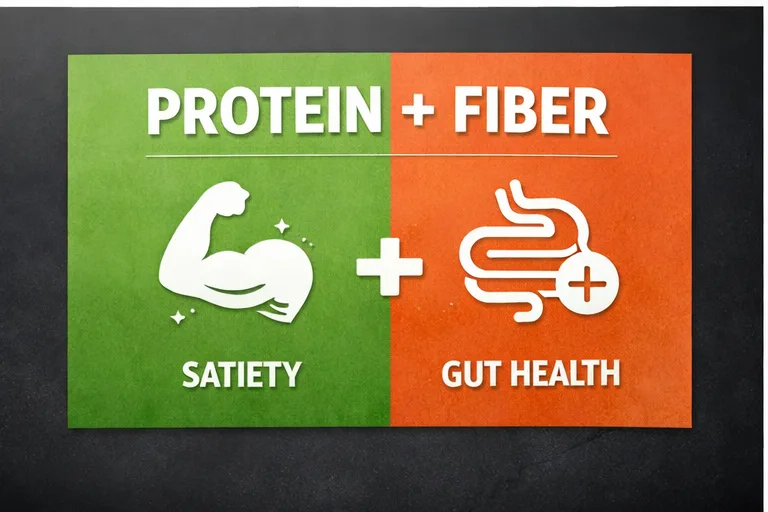
Successful functional snack bars typically deliver two core nutritional benefits: satiety from protein and digestive support from fiber.
Protein contributes to muscle maintenance, sustained energy, and fullness. Fiber supports digestive health and helps manage glycemic response. Combining both nutrients in one product increases perceived value and strengthens product positioning.
However, balancing protein and fiber in bar formulations can be technically complex. High protein levels can create dryness or chalky textures, while some fiber ingredients can negatively affect taste or structure.
Selecting complementary ingredients is essential to achieving a successful formulation.
Case Study Overview: The Complete Plant Protein Bar
This case study represents a realistic formulation scenario designed for international markets.
Target product positioning
- Plant-based and vegan
- High protein (approximately 15 g per serving)
- High fiber (approximately 8 g per serving)
- Reduced sugar formulation
- Clean label and allergen-friendly
Target consumer segments
- Fitness enthusiasts
- Busy professionals
- Meal-replacement snack users
- Health-conscious millennials and Gen Z
This positioning reflects growing demand across North America, Europe, and Asia-Pacific markets.
Ingredient Strategy and Functional Roles
Pea Protein as the Primary Protein Source
Pea protein isolate has become one of the most widely used plant proteins in modern food formulation. Its nutritional profile and functionality make it particularly suitable for high-protein snack applications.
Key formulation advantages include:
- High protein concentration
- Allergen-friendly positioning compared to soy and dairy
- Neutral flavor profile suitable for multiple applications
- Emulsification and water-binding functionality
In protein bars, pea protein provides the majority of protein content while contributing to structure and moisture retention.
Research shows pea protein isolate offers functional properties suitable for a wide range of food products, including baked goods and nutrition snacks.
Rice Protein for Amino Acid Balance
While pea protein is rich in lysine, it contains lower levels of sulfur-containing amino acids. Rice protein complements this nutritional gap.
Combining pea protein and rice protein creates a balanced amino acid profile that supports plant-based nutrition product development.
This dual-protein strategy is widely adopted in plant-based nutrition product development because it supports:
- Improved protein quality
- Enhanced digestibility
- Balanced amino acid composition
- Improved consumer confidence in plant-based protein blends
The synergy between these proteins is especially valuable for sports nutrition and meal replacement snacks.
Resistant Dextrin as a Functional Fiber Ingredient
Fiber plays an increasingly important role in modern snack bars. However, not all fiber ingredients perform well in high-protein formulations.
Resistant dextrin is a soluble fiber widely used in food applications due to its neutral taste and excellent functionality.
Key benefits include:
- High soluble fiber content
- Low viscosity and clean taste
- Support for digestive health positioning
- Compatibility with reduced-sugar formulations
Resistant dextrin can help improve moisture retention and reduce excessive hardening in high-protein bars. It can also contribute to binding and structure, helping manufacturers reduce reliance on sugar syrups.
Overcoming Common Formulation Challenges
Achieving a Soft, Chewy Texture
Texture stability is one of the biggest challenges in protein bar development. High protein content can lead to hardening during storage.
Soluble fibers such as resistant dextrin can help improve water activity management and maintain a softer bite throughout shelf life.
This contributes to improved product consistency and reduced reformulation costs.
Supporting Sugar Reduction Strategies
Many traditional snack bars rely heavily on sugar syrups for binding and sweetness.
Using resistant dextrin as part of the formulation allows manufacturers to reduce added sugar while maintaining structure and mouthfeel. This supports reduced-sugar positioning aligned with global public health initiatives.
Managing Plant Protein Flavor
Plant proteins may introduce earthy or beany notes that affect consumer acceptance.
Blending pea and rice protein helps create a more neutral flavor base and improves compatibility with chocolate, nut, and fruit flavor systems.
This reduces the need for intensive flavor masking and simplifies product development.
Nutritional Positioning and Label Opportunities
The finished product supports several high-value claims relevant to global markets:
- Plant-based protein bar
- High fiber snack
- Vegan and dairy-free
- Soy-free and gluten-free
- Reduced sugar
- Supports digestive wellness positioning
These claims strongly resonate with consumers and retail buyers seeking functional snacks.
Manufacturing and Scalability Considerations
Ingredient selection impacts not only nutrition and taste but also manufacturing efficiency.
Using complementary plant proteins and soluble fiber ingredients can support:
- Consistent product quality
- Flexible formulation adjustments
- Clean label positioning
- Efficient scaling from pilot to mass production
These factors are critical for brands expanding into global markets.
Market Opportunities for Plant-Based Protein Bars
Demand for convenient, functional snacks continues to grow worldwide. Several long-term trends support continued expansion of plant-based protein bars:
- Increasing adoption of plant-based diets
- Rising fitness and wellness culture
- Growing demand for meal replacement snacks
- Greater awareness of digestive health
Manufacturers launching protein-and-fiber snack bars can achieve strong differentiation in an increasingly competitive market.
From Ingredient Knowledge to Product Innovation
This case study illustrates how ingredient synergy enables real-world product innovation.
Combining pea protein, rice protein, and resistant dextrin allows manufacturers to balance:
- Nutrition
- Texture
- Flavor
- Scalability
This integrated approach can reduce development time and improve the likelihood of successful product launches.
Expanding the Product Portfolio
This formulation platform can extend into additional product categories, including:
- Breakfast bars
- Protein cookies and baked snacks
- Sports performance snacks
- Weight management products
- Kids’ nutrition bars
The versatility of these ingredients supports long-term product portfolio growth.
Partnering with Satoria Nutrisentials for Functional Snack Innovation
Developing competitive functional snacks requires strategic ingredient partnerships and formulation expertise.
Satoria Nutrisentials offers ingredient solutions designed to support modern food and beverage manufacturing, including plant proteins and soluble fiber solutions for scalable product development.
Reference
- Grand View Research. (2023). Protein Bar Market Size, Share & Trends Analysis Report. https://www.grandviewresearch.com/industry-analysis/protein-bar-market
- Mordor Intelligence. (2024). Plant-Based Protein Market – Growth, Trends, and Forecasts. https://www.mordorintelligence.com/industry-reports/plant-protein-market
- Polymers Journal. (2023). Applications of Resistant Dextrin in Food Systems. https://www.mdpi.com/2073-4360/15/23/4545
- U.S. Food & Drug Administration. (2020). Dietary Fiber Definition and Beneficial Physiological Effects. https://www.fda.gov/food/food-labeling-nutrition/dietary-fiber
- Health Canada. (2022). List of Dietary Fibres Reviewed and Accepted by Health Canada. https://www.canada.ca/en/health-canada/services/food-nutrition/food-safety/food-additives/fibre-reviewed-accepted-health-canada.html
- European Food Safety Authority (EFSA). (2021). Dietary Reference Values for Protein. https://www.efsa.europa.eu/en/topics/topic/dietary-reference-values
- Mintel. (2023). Global Food & Drink Trends: Protein and Functional Snacking. https://www.mintel.com
- Statista. (2024). Global Plant-Based Food Market Revenue. https://www.statista.com
- ResearchGate. (2020). Pea Protein Isolate Functional Properties and Applications. https://www.researchgate.net
- Journal of Food Science & Nutrition. (2019). Nutritional and Functional Properties of Rice Protein. https://ift.onlinelibrary.wiley.com
Featured News
Category
Get a Promo and Keep Updated