
Rice Protein Isolate for Non-Dairy Sports Recovery RTD Shakes: A Formulator’s Guide
How to Choose the Right Food Ingredient Manufacturer UK: A Complete B2B Buyer’s Guide
May 26, 2026
General - Articles

Sourcing ingredients from a reliable food ingredient manufacturer UK isn’t just a procurement decision — it’s a strategic one. The manufacturer you partner with shapes the quality of your final product, the integrity of your label claims, and ultimately your brand’s reputation in the market.
The UK food and beverage industry is one of the largest in Europe, with functional nutrition, plant-based foods, and better-for-you snacking driving accelerating demand for high-performance ingredients. Whether you’re a brand manager at a wellness startup or a procurement lead at an established FMCG company, understanding what separates a great supplier from a risky one is essential.
This guide walks you through the key ingredient categories, what to look for in a manufacturer, and how to make smarter sourcing decisions for your business.
Why the UK Market Demands More from Ingredient Suppliers
British consumers have become increasingly ingredient-literate. They read labels, question formulations, and expect brands to back up their health claims with credible science. That creates a trickle-down pressure on every food business: your suppliers need to be as transparent and rigorous as you are.
At the same time, regulatory requirements around food safety, allergen labelling, and nutritional claims have become more exacting since post-Brexit UK food law established its own independent framework. Working with a certified bulk food ingredient supplier UK is no longer optional for brands that want to scale.
There’s also the sustainability dimension. UK food businesses face mounting pressure — from investors, retailers, and consumers alike — to source responsibly. Plant-derived, non-GMO, and clean-label ingredients are no longer niche preferences; they’re fast becoming baseline expectations.
Key Ingredient Categories for UK Food Manufacturers
The UK functional food market spans a broad range of ingredient types. Understanding the major categories helps you ask the right questions when evaluating a supplier.
Plant-Based Proteins
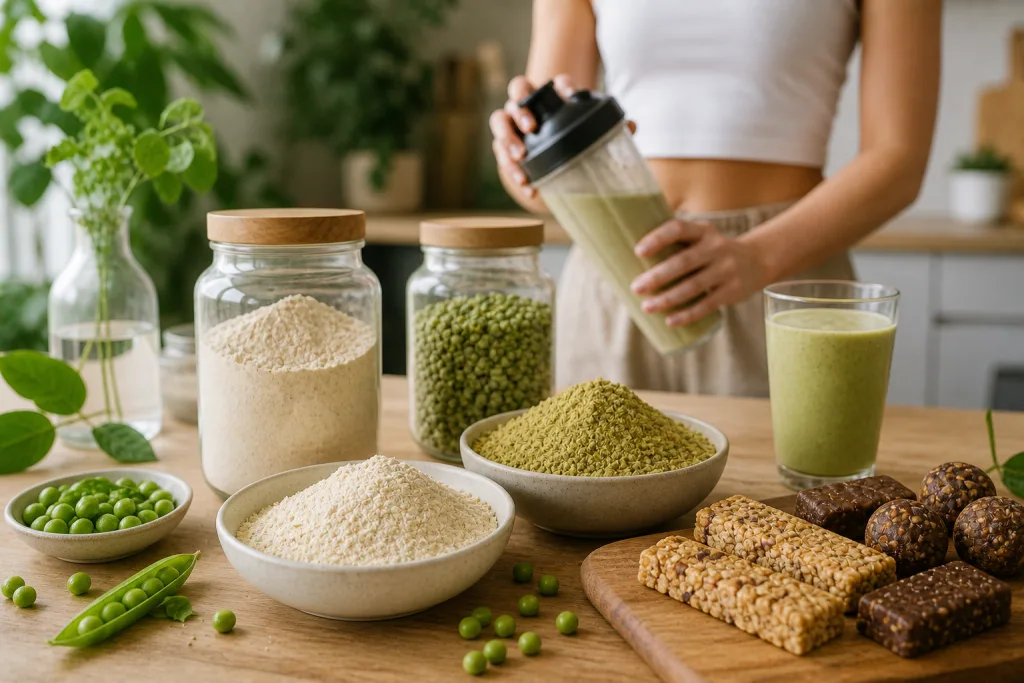
Demand for plant protein in the UK has grown significantly, driven by flexitarian dietary trends and the rise of vegan and vegetarian product ranges. As a plant-based ingredient manufacturer UK brands frequently approach for bulk supply, pea protein is currently leading the charge — and for good reason.
Pea protein isolate delivers a well-rounded amino acid profile, good digestibility, and clean flavour characteristics that integrate well into protein bars, meal replacement shakes, plant-based dairy alternatives, and bakery products. When evaluating a pea protein isolate UK supplier, key parameters to assess include protein concentration (typically 80%+ on a dry weight basis), solubility profile, and allergen status.
Rice protein isolate is another strong option, particularly for brands formulating hypoallergenic products or targeting consumers with soy, dairy, or gluten sensitivities. It pairs well with pea protein to create a complementary amino acid blend.

Natural Sweeteners and Sugar Alternatives
The UK’s sugar reduction agenda has moved well beyond the soft drinks levy. Confectionery, cereals, sauces, and snack bars are all under pressure to cut sugar without sacrificing palatability. This is where the right natural sweetener supplier UK relationship becomes a competitive advantage.
Rice syrup and tapioca syrup offer naturally derived sweetness with a gentler glycaemic profile compared to refined sucrose. They work particularly well as binding agents in cereal bars and confectionery, providing texture and cohesion alongside a mild, neutral sweetness.
For brands targeting diabetic-friendly or low-sugar positioning, a dedicated sugar alternative food manufacturer UK will be able to offer erythritol-based blends or multi-ingredient systems that deliver sweetness functionality without the caloric or glycaemic load of conventional sugars.
Functional Carbohydrates and Maltodextrin
Maltodextrin remains one of the most versatile ingredients in food manufacturing, serving as a texturiser, bulking agent, flavour carrier, and spray-drying aid. Choosing the right maltodextrin supplier UK is often more nuanced than it first appears — not all maltodextrins are equal.
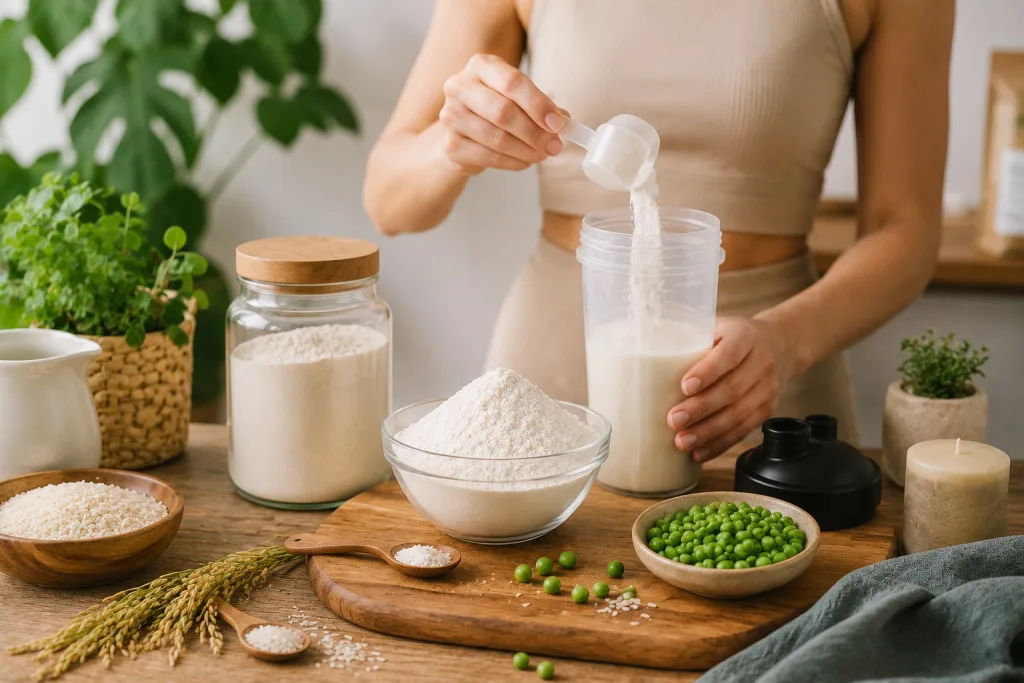
Plant-derived variants such as rice maltodextrin and pea maltodextrin are gaining traction among UK formulators who want cleaner label stories. Rice maltodextrin, in particular, is naturally gluten-free and provides excellent flow properties for powder-based formats like protein blends, sports nutrition products, and infant formula.
When shortlisting a maltodextrin supplier, ask about dextrose equivalent (DE) values, moisture content specifications, and microbial testing protocols. These technical details will determine how the ingredient performs in your specific application.

Digestive Health and Fibre Ingredients
Gut health has moved from a niche wellness category to mainstream consumer concern. A growing body of research supports the role of dietary fibre and prebiotics in supporting immune function, metabolic health, and mood regulation via the gut-brain axis. This has created strong commercial momentum for digestive health ingredient UK procurement.
Resistant dextrin is one of the most studied and commercially versatile prebiotic fibres available. It is water-soluble, heat-stable, and tasteless — making it easy to incorporate into beverages, soups, sauces, baked goods, and dairy products without altering sensory profiles. It supports gut microbiome diversity and has been shown to help moderate postprandial blood glucose responses.
For UK food businesses looking to substantiate fibre or prebiotic claims on pack, partnering with a supplier who can provide regulatory documentation and clinical evidence for their fibre ingredients is essential.
What Certifications Should You Require from a Food Ingredient Manufacturer?
Certifications are the clearest signal of a manufacturer’s commitment to quality, safety, and traceability. When evaluating any food ingredient manufacturer UK sourcing pipeline, here are the credentials that should be non-negotiable:
- FSSC 22000 or ISO 22000 — international food safety management certification, essential for supply into major UK retailers and food service operators
- HACCP certification — demonstrates systematic hazard analysis and critical control point management throughout production
- Halal and Kosher certification — increasingly important for UK brands targeting multicultural consumer segments
- Non-GMO verification — critical for clean-label positioning and export to markets like the EU
- GMP (Good Manufacturing Practice) compliance — underpins the consistency and reproducibility of every batch
- USDA Organic (where relevant) — required for brands making organic claims on US-facing products or export lines
Beyond paper certifications, a reputable manufacturer will be willing to open their facilities to third-party audits and provide full traceability documentation from raw material sourcing to finished ingredient.
OEM and Private Label: Understanding Your Manufacturing Options
Not every UK food business needs to source raw ingredients and formulate in-house. Many brands — from health food startups to established retail labels — are increasingly turning to OEM food manufacturing UK partnerships to bring products to market faster and at lower capital cost.
OEM (Original Equipment Manufacturer) arrangements allow you to have a product manufactured to your specification under your brand. Private label food ingredient UK partnerships go one step further — the manufacturer handles formulation, production, and often packaging, allowing you to focus on brand-building and distribution.
What’s the difference in practice? With OEM, you typically retain ownership of the formula and the manufacturer produces it to your spec. With private label, the manufacturer may own the base formula and you license or brand it as your own. Both models can be highly effective — the right choice depends on your IP strategy, minimum order requirements, and speed-to-market priorities.
When evaluating OEM partners, assess their development kitchen capabilities, minimum batch sizes, lead times, and — critically — their confidentiality protocols. Your formula is a commercial asset; a serious manufacturer will have robust NDAs and data security practices in place.
How to Evaluate a Bulk Food Ingredient Supplier for Your UK Operation
Once you’ve identified potential suppliers, how do you separate the genuinely reliable from those who just look good on paper? Here’s a practical due diligence framework for UK buyers sourcing from international manufacturers.
Technical Assessment
Request full technical data sheets (TDS) and safety data sheets (SDS) for every ingredient. Check that specifications align with your formulation requirements in terms of particle size, solubility, moisture content, and purity. Ask for certificates of analysis (COA) from recent production batches and verify they come from accredited third-party labs.
Regulatory Compliance for UK Import
Post-Brexit UK food import requirements are distinct from EU rules. Ingredients imported from non-EU countries must meet UK-specific standards for contaminants, pesticide residues, and labelling. Your supplier should be familiar with UK Food Standards Agency (FSA) requirements and be able to provide the documentation needed for UK Border Force clearance.
Novel food status is another consideration. Some functional ingredients — particularly prebiotic fibres and bioactive compounds — may require UK Novel Foods authorisation if they don’t have an established history of consumption in the UK market. A knowledgeable supplier will flag these issues proactively.
Supply Chain Resilience
The pandemic and subsequent global supply chain disruptions taught UK food businesses an expensive lesson about single-source dependency. When evaluating a bulk food ingredient supplier UK, ask about their raw material sourcing redundancy, inventory management practices, and contingency planning for production disruptions.
Manufacturers with vertically integrated operations — those who grow, process, and supply their own raw materials — typically offer greater price stability and batch-to-batch consistency than those relying on spot-market purchasing.
The Plant-Based Opportunity: Why Sourcing Strategy Matters More Than Ever
The UK plant-based food market is among the most developed in the world. British consumers lead Europe in plant-based food adoption, and the category is now firmly embedded across mainstream retail, foodservice, and direct-to-consumer channels.
For food businesses competing in this space, the quality of your plant-based ingredient manufacturer UK relationship directly determines product quality. Pea protein isolates, rice proteins, plant-derived maltodextrins, and natural sweeteners all need to perform consistently and meet tightening clean-label expectations.
The smartest brands in this space aren’t just thinking about cost per kilogram. They’re building long-term partnerships with manufacturers who understand their formulation goals, can support product development, and are investing in next-generation ingredient innovation. That kind of strategic supplier relationship is a genuine competitive moat.
Satoria Nutrisentials: Innovative, Healthy Ingredients for Ambitious UK Brands
If you’re a UK food or beverage business sourcing high-performance functional ingredients, Satoria Nutrisentials offers a comprehensive portfolio built specifically for B2B manufacturers. Their product range spans the key categories that UK formulators need most:
- Pea Protein & Pea Protein Isolate — ideal for sports nutrition, plant-based meals, and protein-enriched snacks
- Rice Protein Isolate — hypoallergenic protein for clean-label applications
- Rice Maltodextrin & Pea Maltodextrin — clean, plant-derived functional carbohydrates for texture and spray-drying
- Resistant Dextrin — a clinically studied prebiotic fibre for gut health formulations
- Rice Syrup & Tapioca Syrup — natural sweeteners and binding agents
- SweetSentials — a sugar alternative system for brands reducing refined sugar
All Satoria ingredients are backed by FSSC 22000, HACCP, ISO 22000, Halal, Kosher, Non-GMO, and USDA Organic certifications, giving UK buyers the documentation pack needed for retailer audits, import compliance, and clean-label substantiation.
Their OEM and toll manufacturing services also make them a viable one-stop partner for UK brands that want to move from ingredient to finished product without the capital outlay of in-house production. And their confidentiality-first approach means your formulations stay yours.
Ready to Unleash Your Culinary Potential? Explore World-Class Ingredients for Your UK Brand
Choosing the right food ingredient manufacturer UK is one of the most impactful decisions your food business can make. The wrong partner means inconsistent quality, compliance headaches, and supply chain fragility. The right one becomes an extension of your own R&D and production capability.
Satoria Nutrisentials has helped hundreds of F&B businesses worldwide — from health-conscious startups to large-scale manufacturers — by providing innovative, healthy food ingredients tailored to their needs. Whether you’re sourcing pea protein isolate UK supply for a new plant-based range, looking for a certified natural sweetener supplier UK, or exploring private label and OEM partnerships, their team of food scientists and nutritionists is ready to help you formulate smarter.
Explore the full product catalogue at satorianutrisentials.com/products and contact the team to request samples, technical data sheets, or a product discovery call.
References
- Baer, D. J., & Fahey, G. C. (2015). Resistant dextrin and gut microbiome modulation: Evidence from clinical trials. Nutrition Reviews, 73(4), 219–234. https://academic.oup.com/nutritionreviews/article/73/4/219/1870018
- Gorissen, S. H. M., Crombag, J. J. R., Senden, J. M. G., Waterval, W. A. H., Bierau, J., Verdijk, L. B., & van Loon, L. J. C. (2018). Protein content and amino acid composition of commercially available plant-based protein isolates. Amino Acids, 50(12), 1685–1695. https://link.springer.com/article/10.1007/s00726-018-2640-5
- World Health Organization. (2015). Guideline: Sugars intake for adults and children. WHO. https://www.who.int/publications/i/item/9789241549028
- Dahl, W. J., & Stewart, M. L. (2015). Position of the Academy of Nutrition and Dietetics: Health implications of dietary fiber. Journal of the Academy of Nutrition and Dietetics, 115(11), 1861–1870. https://pubmed.ncbi.nlm.nih.gov/26514720/
- UK Food Standards Agency. (2023). Guidance on food labelling. FSA. https://www.food.gov.uk/business-guidance/food-labelling-and-packaging
- Crowe, K. M., & Francis, C. (2013). Position of the Academy of Nutrition and Dietetics: Functional foods. Journal of the Academy of Nutrition and Dietetics, 113(8), 1096–1103. https://pubmed.ncbi.nlm.nih.gov/23871106/
- Slavin, J. (2013). Fiber and prebiotics: Mechanisms and health benefits. Nutrients, 5(4), 1417–1435. https://www.mdpi.com/2072-6643/5/4/1417
- Mintel. (2023). UK plant-based food market report 2023. Mintel Group Ltd. https://www.mintel.com/press-centre/plant-based-foods-uk/
Featured News
Category
Get a Promo and Keep Updated