
How to Formulate High Fiber Snack Bars Used for Functional Nutrition and Modern Health Markets
How to Formulate High Fiber Snack Bars Used for Functional Nutrition and Modern Health Markets
March 22, 2026
Resistant Dextrin - Articles
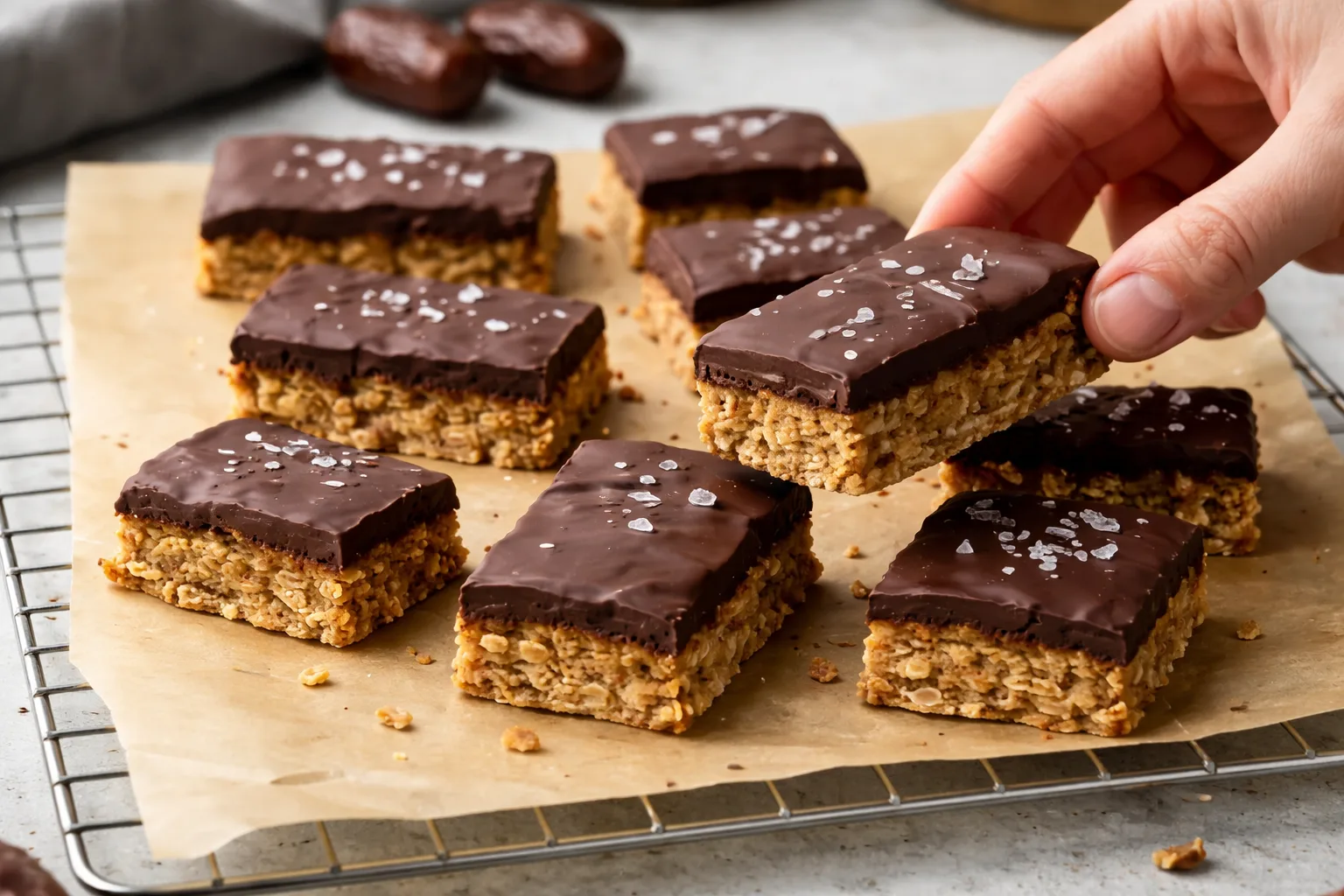
High fiber snack bars have evolved from niche health products into mainstream functional foods. Today’s consumers expect snack bars that deliver digestive health benefits, sustained energy, and clean-label nutrition without compromising taste or texture.
For product developers, however, creating a successful high-fiber bar is not as simple as increasing fiber content. High levels of fiber can negatively affect texture, binding, shelf stability, and flavor balance, often resulting in dry or crumbly bars that fail consumer expectations.
This guide explores how to formulate high fiber snack bars used for modern functional food innovation, with practical formulation strategies for product developers. It highlights how ingredient systems such as resistant dextrin and rice protein from Satoria Nutrisentials can support texture stability, nutritional positioning, and scalable production.
Why High Fiber Snack Bars Are a Strategic Opportunity for Food Manufacturers
The global demand for functional snacks and nutrition bars continues to grow rapidly. Consumers increasingly seek convenient foods that support digestive health, weight management, and metabolic wellness.
High fiber snack bars are particularly attractive because they combine:
- Convenience and portability
- Functional nutrition benefits
- Long shelf life
- Flexible flavor formats
From a formulation perspective, these bars allow manufacturers to create products targeting multiple claims:
- High fiber snack bars
- Plant-based snack bars
- High protein fiber bars
- Reduced sugar snack bars
- Gut health snacks
Dietary fiber also plays a crucial role in blood sugar management and satiety, helping consumers feel full longer and avoid energy crashes.
However, developing a bar with meaningful fiber content—often 6–10 grams per serving or more—requires careful ingredient selection and formulation design.
Key Challenges When Formulating High Fiber Snack Bars
Before exploring formulation solutions, it is important to understand the common technical challenges that arise when fiber content increases.
Texture Hardening and Dryness
Traditional insoluble fibers such as wheat bran or oat fiber absorb water aggressively. This can cause:
- Dry or brittle textures
- Hardening during shelf life
- Poor chewability
Over time, moisture migration within the bar matrix can worsen these issues.
Binding and Structural Stability
Snack bars rely heavily on syrups or sugar systems for binding. When sugar is reduced in favor of fiber, developers must replace both bulk and structural functionality.
Without the right ingredients, bars may crumble during processing or transport.
Flavor Masking
High levels of fiber and plant protein can introduce:
- Earthy notes
- Chalky mouthfeel
- Bitterness
Balancing these sensory characteristics is essential to maintain consumer acceptance.
Nutritional Claim Requirements
To label a product as “high fiber”, many regulatory frameworks require a minimum fiber threshold per serving or per 100g.
Developers must ensure that fiber sources are functional, digestively tolerated, and compatible with other ingredients.
Step-by-Step Guide: How to Formulate High Fiber Snack Bars
Product developers typically approach high fiber snack bar development through several formulation stages.
Step 1: Define the Nutritional Target
Before selecting ingredients, define the nutritional profile of the bar.
Typical formulation goals include:
- 8–12 g dietary fiber per serving
- 8–15 g protein
- Reduced added sugar
- Plant-based positioning
Many modern snack bars combine plant protein and soluble fiber systems to achieve balanced nutrition.
For example, combining rice protein with soluble fibers like resistant dextrin allows developers to build bars with both protein and digestive benefits.
Step 2: Select Functional Fiber Ingredients
The choice of fiber ingredient significantly influences the success of the final product.
Important characteristics include:
- Solubility
- Digestive tolerance
- Impact on texture
- Flavor neutrality
Resistant Dextrin as a Core Fiber Ingredient
Resistant dextrin is a soluble dietary fiber derived from starch that integrates easily into food systems due to its neutral taste and excellent solubility.
For snack bar developers, resistant dextrin offers several advantages:
- Neutral flavor profile
- Low viscosity for easier mixing
- High solubility in syrups or binding systems
- Compatibility with proteins and sweeteners
These properties allow manufacturers to increase fiber levels without compromising sensory quality.
Resistant dextrin is also associated with prebiotic benefits and improved digestive tolerance, making it suitable for daily consumption products.
Step 3: Build a Balanced Protein System
Protein plays a critical role in nutrition bars by contributing to satiety and nutritional positioning.
However, protein ingredients must be carefully selected to avoid flavor or texture issues.
Rice Protein for Clean Plant-Based Nutrition
Rice protein has become a preferred ingredient in modern snack bars due to its:
- Neutral flavor
- Plant-based positioning
- Allergen-friendly profile
- Smooth mouthfeel compared to some plant proteins
Rice protein can be used as the primary protein source or combined with other plant proteins to achieve a balanced amino acid profile.
In bar formulations, pairing rice protein with resistant dextrin helps balance structure and softness while maintaining clean-label appeal.
Step 4: Design the Binding System
The binder system determines whether the snack bar maintains its structure during processing and shelf life.
Traditional binders include:
- Glucose syrup
- Honey
- Brown rice syrup
However, many modern bars aim to reduce sugar.
Soluble fibers such as resistant dextrin can partially replace traditional syrups by contributing bulk, body, and moisture retention.
This approach enables:
- Reduced sugar formulations
- Improved fiber claims
- Stable bar structure
Resistant dextrin is particularly valuable because it maintains softness and water distribution in bar matrices, preventing excessive hardening.
Step 5: Optimize Texture and Water Activity
Water activity management is critical for bar stability.
A well-designed high fiber snack bar should achieve:
- Soft, chewy texture
- Stable shelf life
- Low microbial risk
Developers typically adjust:
- Fiber ratios
- Humectants such as glycerin
- Fat content (nut butter, coconut oil)
Because resistant dextrin has low viscosity and high compatibility with other ingredients, it helps maintain a smooth texture even at higher fiber inclusion levels.
Step 6: Balance Flavor and Sweetness
High fiber snack bars often require additional flavor balancing.
Strategies include:
- Natural flavors such as cocoa or vanilla
- Nut butters for richness
- Fruit inclusions like dates or berries
Soluble fibers can also help reduce bitterness from high-intensity sweeteners, improving overall flavor perception.
When paired with plant proteins, resistant dextrin contributes to a more rounded mouthfeel, reducing chalkiness.
Example High Fiber Snack Bar Formulation Framework
Below is a simplified conceptual formulation used by many R&D teams.
Base Ingredients
- Rolled oats or crisped grains
- Nuts or seeds
- Dried fruit inclusions
Functional Nutrition System
- Resistant dextrin (primary fiber source)
- Rice protein (plant protein source)
Binder System
- Brown rice syrup or fiber syrup
- Nut butter or seed butter
Texture & Stability
- Coconut oil or cocoa butter
- Glycerin for moisture retention
Flavor System
- Cocoa powder
- Vanilla extract
- Natural sweeteners
This structure allows developers to create bars that deliver:
- High fiber content
- Plant-based protein
- Balanced sweetness
- Stable shelf life
Nutritional and Marketing Claims for High Fiber Snack Bars
High fiber snack bars can support multiple consumer-facing claims.
Examples include:
- High fiber snack bar
- Plant-based protein snack
- Reduced sugar nutrition bar
- Gut health snack
- Prebiotic fiber bar
- Vegan snack bar
Resistant dextrin is especially useful for these claims because it functions as a soluble prebiotic fiber that supports digestive health while maintaining product quality.
For brands targeting wellness-focused consumers, combining fiber enrichment and plant protein can significantly increase perceived product value.
Scaling High Fiber Snack Bar Production
Moving from laboratory formulation to commercial production requires additional considerations.
Processing Compatibility
High fiber bar formulations must perform well in:
- Extrusion systems
- Slab forming equipment
- Cutting and enrobing lines
Because resistant dextrin is stable under heat and processing conditions, it integrates well into existing production processes.
Shelf Life Stability
Manufacturers must monitor:
- Moisture migration
- Protein hardening
- Texture changes during storage
A well-designed fiber system helps maintain consistent bar quality throughout the product’s shelf life.
Ingredient Consistency
Reliable ingredient supply is essential for large-scale manufacturing.
Working with specialized ingredient partners helps manufacturers maintain consistent functionality and product performance across batches.
Future Trends in High Fiber Snack Bar Development
As the functional food market continues to evolve, several trends are shaping the next generation of snack bar innovation.
Digestive Wellness Positioning
Consumers increasingly recognize the connection between fiber intake and gut health, creating opportunities for fiber-enriched snack formats.
Plant-Based Nutrition
Demand for vegan protein snacks continues to grow, especially among younger consumers seeking sustainable food choices.
Sugar Reduction
Many brands are reformulating products to lower added sugar while maintaining taste and texture.
Combining plant protein, soluble fiber, and functional sweetener systems will play a key role in these innovations.
Hybrid Functional Snacks
Future bars may combine:
- Fiber for digestive health
- Protein for satiety
- Adaptogens or botanicals for wellness
These multifunctional snacks will require advanced ingredient systems that support both nutrition and sensory performance.
Partner with Satoria Nutrisentials to Formulate the Next Generation of High Fiber Snack Bars
Successfully developing high fiber snack bars requires more than simply increasing fiber content. It demands a strategic combination of functional ingredients, technical expertise, and scalable formulation systems.
Satoria Nutrisentials provides a portfolio of ingredients designed to support modern snack innovation, including:
- Fiberfit™ Resistant Dextrin for soluble fiber enrichment and digestive wellness
- Rice Protein for clean-label plant-based nutrition
- Functional ingredient solutions tailored for food and beverage manufacturers
By partnering with Satoria Nutrisentials, product developers can create snack bars that deliver balanced nutrition, appealing texture, and scalable production performance—helping brands meet the growing demand for healthier, functional snack options.
To learn more about ingredient solutions and formulation support, visit the Satoria Nutrisentials website and explore their full range of functional food ingredients.
Reference
- Aliasgharzadeh, A., Dehghan, P., Gargari, B. P., & Asghari-Jafarabadi, M. (2015). Resistant dextrin as a prebiotic improves insulin resistance and inflammation in women with type 2 diabetes: A randomized controlled clinical trial. British Journal of Nutrition.
https://www.cambridge.org/core/journals/british-journal-of-nutrition/article/resistant-dextrin-as-a-prebiotic-improves-insulin-resistance-and-inflammation-in-women-with-type-2-diabetes-a-randomised-controlled-clinical-trial/F4EA168D73C2C15220AAF3D69818C853 - Barber, C., et al. (2022). Effect of resistant dextrin on intestinal gas homeostasis and gut microbiota metabolism. Nutrients, 14(21).
https://www.mdpi.com/2072-6643/14/21/4611 - Baer, D. J., Stote, K. S., Henderson, T., et al. (2014). The metabolizable energy of dietary resistant maltodextrin and its influence on microbiota. Journal of Nutrition.
https://www.sciencedirect.com/science/article/pii/S0022316622009294 - Emilien, C. H., Zhu, W., et al. (2020). The effect of soluble fiber dextrin on appetite, satiety, and food intake. Nutrients.
https://pmc.ncbi.nlm.nih.gov/articles/PMC7692066/ - Lefranc-Millot, C., et al. (2012). Impact of a resistant dextrin on intestinal ecology: A randomized controlled trial. Journal of International Medical Research.
https://pubmed.ncbi.nlm.nih.gov/22429361/ - Singh, A., et al. (2022). Formulation and evaluation of a functional snack bar with enhanced nutritional and sensory attributes. Journal of Food Science and Nutrition.
https://pmc.ncbi.nlm.nih.gov/articles/PMC8763418/ - Włodarczyk, M., et al. (2021). Efficiency of resistant starch and dextrins as prebiotics. Nutrients, 13(11).
https://www.mdpi.com/2072-6643/13/11/3808 - Yoshida, K., et al. (2024). Combination of inulin and resistant dextrin improves gut microbiota diversity and prebiotic effects. Nutrients, 16(24).
https://www.mdpi.com/2072-6643/16/24/4262 - You, X. Y., et al. (2024). Nutritional, textural, and sensory attributes of protein bars formulated with different protein sources. Foods, 13(5).
https://www.mdpi.com/2304-8158/13/5/671 - Hu, F., et al. (2020). Resistant dextrin improves metabolic health and reduces insulin resistance in diet-induced metabolic disorders. Nutrition & Metabolism. https://link.springer.com/article/10.1186/s12986-020-00450-2
Featured News
Category
Get a Promo and Keep Updated