
Maltodextrin Gluten: What Food & Beverage Manufacturers Need to Know
Maltodextrin Gluten: What Food & Beverage Manufacturers Need to Know
February 23, 2026
Resistant Dextrin - Articles
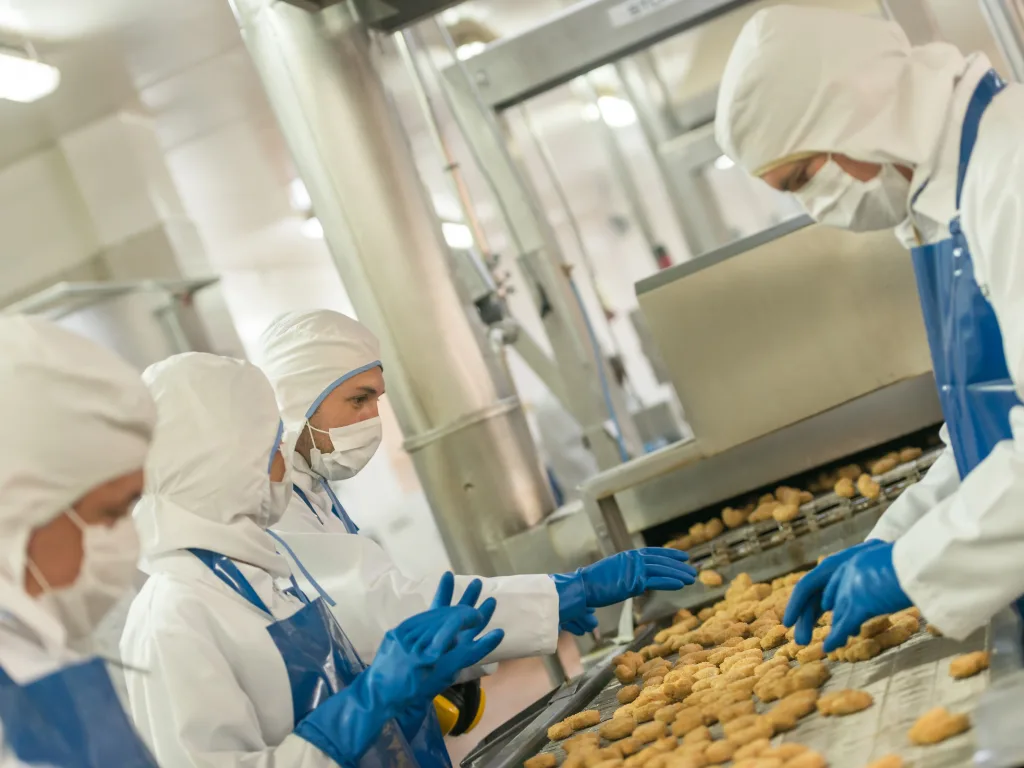
For food and beverage manufacturers, ingredient selection is no longer just about functionality—it is about trust, transparency, and regulatory confidence. One of the most frequently searched and misunderstood ingredient questions today is maltodextrin gluten: whether maltodextrin contains gluten, how it is produced, and whether it is safe for gluten-free formulations.
As gluten-free demand continues to rise across snacks, beverages, dairy alternatives, and nutritional products, manufacturers must understand the science behind maltodextrin, its source materials, and how it compares to newer functional carbohydrates. This article explores maltodextrin and gluten from a technical and regulatory perspective, while also introducing modern alternatives that better align with clean-label, digestive-friendly, and future-ready product development.
Understanding Maltodextrin and Its Role in Food Manufacturing
Maltodextrin is a carbohydrate ingredient widely used in food and beverage manufacturing due to its versatility and cost efficiency. It is commonly derived from corn, tapioca, rice, or wheat starch through enzymatic hydrolysis, resulting in a white, flavor-neutral powder.
From a formulation standpoint, maltodextrin serves several key functions:
- Bulking and volume enhancement
- Texture improvement and mouthfeel balance
- Carrier for flavors, vitamins, and active ingredients
- Rapid digestible carbohydrate source
Because of these properties, maltodextrin is frequently found in powdered beverages, sports nutrition, confectionery, dairy products, and processed foods.
However, its association with wheat as a source material has led to ongoing confusion around maltodextrin gluten content, particularly among gluten-sensitive consumers and brands targeting gluten-free claims.
Is Maltodextrin Gluten-Free?
The short answer is: most maltodextrin used in food manufacturing is considered gluten-free, even when derived from wheat.
During production, starch is extensively processed, and gluten proteins are effectively removed. Regulatory bodies in many regions, including the U.S. and EU, classify maltodextrin as gluten-free when gluten content falls below the accepted threshold (typically <20 ppm).
That said, for manufacturers, the real issue is not just regulatory compliance—but consumer perception, labeling risk, and supply-chain transparency.
Key considerations include:
- Source starch disclosure (corn, tapioca, wheat)
- Cross-contamination risk during processing
- Regional labeling regulations and audit requirements
- End-consumer sensitivity and clean-label expectations
As gluten-free consumers become more ingredient-savvy, manufacturers are increasingly cautious about using ingredients that may raise questions—even if technically compliant.
Why “Maltodextrin Gluten” Remains a High-Risk Search Term
The keyword maltodextrin gluten continues to attract high search volume because it sits at the intersection of science, labeling, and consumer trust.
From a B2B perspective, this presents both a challenge and an opportunity. Brands that rely heavily on maltodextrin may face scrutiny from retailers, regulators, or health-conscious consumers. Meanwhile, manufacturers that proactively explore alternative functional carbohydrates can strengthen brand positioning and reduce formulation risk.
Common concerns linked to maltodextrin include:
- Unclear source origin for gluten-sensitive markets
- High glycemic response in certain applications
- Rapid digestibility impacting blood sugar stability
- Limited functional benefits beyond bulking and texture
These challenges are driving a growing shift toward next-generation carbohydrate ingredients that offer similar functionality with added health and labeling advantages.
Maltodextrin vs. Modern Functional Carbohydrates
While maltodextrin has long been a staple in food manufacturing, today’s market demands more than basic performance. Manufacturers are now seeking ingredients that deliver:
- Gluten-free confidence
- Digestive tolerance
- Lower glycemic impact
- Clean-label positioning
- Multi-functional benefits
This is where advanced carbohydrate solutions—such as resistant dextrin and dietary fibers—are gaining traction.
Unlike maltodextrin, resistant dextrin is not rapidly digested in the small intestine. Instead, it functions as a soluble dietary fiber, offering formulation flexibility while supporting gut health and metabolic balance.
Why Gluten-Free Brands Are Rethinking Maltodextrin
For brands targeting gluten-free, diabetic-friendly, or wellness-focused consumers, ingredient choice sends a powerful message. Even when maltodextrin meets gluten-free standards, its reputation as a “highly processed carbohydrate” can work against premium positioning.
Manufacturers are increasingly replacing or reducing maltodextrin in favor of ingredients that:
- Are clearly gluten-free by nature
- Support fiber enrichment claims
- Improve digestive comfort
- Align with clean-label narratives
This shift is particularly evident in categories such as:
- Functional beverages
- Nutritional powders and supplements
- Fiber-enriched snacks
- Reduced-sugar formulations
Functional Fiber as a Smarter Alternative to Maltodextrin
Functional fibers, such as resistant dextrin, provide many of the same technical benefits as maltodextrin—while addressing modern nutritional expectations.
From a formulation perspective, resistant dextrin can:
- Act as a bulking agent
- Improve mouthfeel and stability
- Replace digestible carbohydrates
- Support fiber claims without sensory compromise
From a marketing and regulatory standpoint, fiber-based carbohydrates offer clear advantages for gluten-free positioning, digestive health claims, and sugar-reduction strategies.
How Satoria Nutrisentials Supports Modern Carbohydrate Innovation
Satoria Nutrisentials supplies functional ingredient solutions designed for manufacturers who want to move beyond conventional maltodextrin without sacrificing performance.
Their portfolio includes:
- Resistant dextrin (soluble dietary fiber) for fiber enrichment and carbohydrate replacement
- Plant-based proteins such as pea protein and rice protein for gluten-free formulations
- Sugar-reduction solutions supporting better glycemic response
- Clean-label ingredient systems for modern food and beverage applications
By working with Satoria Nutrisentials, manufacturers gain access to ingredients that are:
- Naturally gluten-free
- Backed by regulatory documentation
- Suitable for global food standards
- Designed for scalable industrial production
Applications Where Maltodextrin Alternatives Perform Better
Manufacturers exploring alternatives to maltodextrin often find improved performance and positioning in applications such as:
Functional Beverages
Resistant dextrin dissolves easily, remains stable, and supports fiber claims without impacting clarity or taste.
Nutritional Powders
Replacing maltodextrin with fiber improves nutritional value while maintaining bulk and flowability.
Snacks and Bars
Fiber-based carbohydrates enhance satiety and digestive benefits, supporting premium product claims.
Reduced-Sugar Products
Unlike maltodextrin, resistant dextrin does not spike blood glucose, making it ideal for better-for-you formulations.
Regulatory and Labeling Advantages for B2B Manufacturers
For B2B manufacturers supplying multiple markets, regulatory simplicity is essential. Functional fibers offer advantages over maltodextrin when it comes to:
- Gluten-free certification
- Fiber content declarations
- Sugar-reduction claims
- Clean-label transparency
Satoria Nutrisentials works closely with manufacturers to ensure ingredient selection aligns with both formulation goals and regulatory requirements across regions.
Strategic Ingredient Decisions in a Gluten-Conscious Market
The conversation around maltodextrin gluten is not just about safety—it is about future-proofing product portfolios. As consumers become more informed and regulations evolve, ingredient strategies must keep pace.
Manufacturers that proactively transition toward advanced carbohydrate solutions are better positioned to:
- Differentiate in competitive categories
- Meet retailer and consumer expectations
- Reduce reformulation risk
- Strengthen long-term brand trust
Build Smarter Gluten-Free Formulations with Satoria Nutrisentials
As gluten awareness and clean-label demand continue to shape the food and beverage industry, relying solely on conventional ingredients like maltodextrin may limit innovation potential.
Satoria Nutrisentials partners with manufacturers to deliver next-generation functional ingredients—from resistant dextrin and plant proteins to sugar-reduction solutions—designed for performance, compliance, and market relevance.
If you are evaluating alternatives to maltodextrin or developing gluten-free, fiber-enriched, or reduced-sugar products, Satoria Nutrisentials offers the expertise and ingredient solutions to support your next formulation breakthrough.
Reference
- U.S. Food & Drug Administration. (2020). Gluten-Free Labeling of Foods. https://www.fda.gov/food/nutrition-education-resources-materials/gluten-free-labeling-foods
- European Food Safety Authority. (2011). Scientific Opinion on the Safety of Resistant Dextrins. https://www.efsa.europa.eu
- Codex Alimentarius Commission. (2015). Standard for Gluten-Free Foods. https://www.fao.org/fao-who-codexalimentarius
- Slavin, J. (2013). Fiber and Prebiotics: Mechanisms and Health Benefits. https://www.ncbi.nlm.nih.gov
- Scientific Advisory Committee on Nutrition. (2015). Carbohydrates and Health. https://www.gov.uk/government/collections/sacn-carbohydrates-and-health-report
Featured News
Category
Get a Promo and Keep Updated