
Natural Food Thickener for Clean Label Products Used for Modern Food & Beverage Formulation
Natural Food Thickener for Clean Label Products Used for Modern Food & Beverage Formulation
March 23, 2026
General - Articles
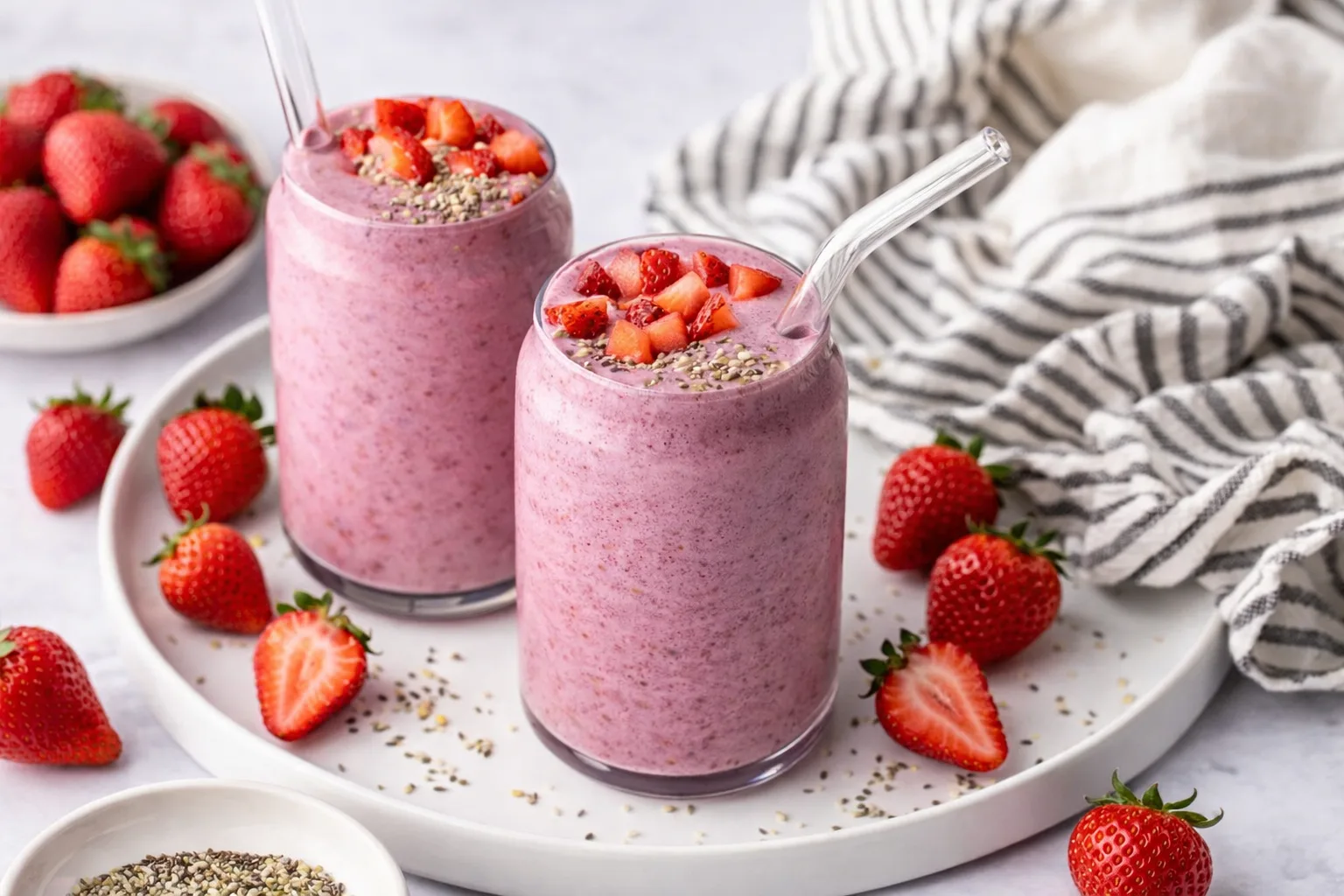
The global food industry is undergoing a significant transformation. Consumers are increasingly demanding transparency, simplicity, and recognizable ingredients in the products they purchase. This shift has fueled the rapid rise of clean label foods, where manufacturers prioritize natural ingredients and remove artificial additives.
One of the most important challenges in this transition is texture. Many traditional food products rely on artificial stabilizers, modified starches, or synthetic additives to achieve the desired viscosity, mouthfeel, and stability. As a result, manufacturers are actively searching for a natural food thickener for clean label products used for modern formulations.
Today, plant-based carbohydrates such as rice maltodextrin, pea maltodextrin, and tapioca syrup are emerging as highly effective solutions. These ingredients provide functional thickening properties while maintaining the simple ingredient declarations that consumers prefer.
For food and beverage manufacturers, the key is finding ingredients that maintain product quality, scalability, and consistency while aligning with the growing demand for clean-label formulations.
Understanding Clean Label Trends in the Food Industry
The term “clean label” refers to products formulated with recognizable, minimally processed ingredients and free from artificial additives, preservatives, or unnecessary chemical modifiers.
This trend is not merely a marketing strategy—it reflects a deeper shift in consumer behavior. Modern shoppers increasingly scrutinize ingredient lists and prefer products that feel natural, transparent, and trustworthy.
For manufacturers, this creates a formulation challenge. Traditional thickeners such as modified starches or artificial stabilizers can deliver excellent functionality, but they often conflict with clean label expectations.
A natural food thickener for clean label products must therefore meet three critical criteria:
- Derived from natural plant sources
- Minimal processing and recognizable labeling
- Functional performance comparable to conventional additives
Ingredients derived from rice, peas, and cassava meet these requirements remarkably well. They provide natural viscosity, improve mouthfeel, and enhance texture without compromising label simplicity.
In many modern formulations, these ingredients also deliver additional benefits such as allergen-friendly sourcing, gluten-free compatibility, and improved digestibility.
Why Texture Matters in Food Formulation
Texture is one of the most important elements influencing consumer perception of food quality. Even if flavor is excellent, a product with poor mouthfeel or incorrect viscosity can quickly lose consumer acceptance.
Food thickeners play a critical role in stabilizing emulsions, maintaining suspension of particles, and delivering the smooth, appealing textures consumers expect.
In applications such as beverages, sauces, snacks, and dairy alternatives, thickening ingredients serve several important functions:
- Improve viscosity and mouthfeel
- Stabilize emulsions and suspensions
- Prevent ingredient separation
- Enhance shelf stability
- Support consistent product quality
Traditional thickeners such as modified starches or gums have historically dominated this role. However, many manufacturers are now replacing these additives with natural food thickener solutions for clean label products.
Plant-derived carbohydrate ingredients like maltodextrins and natural syrups are becoming increasingly popular because they offer both functional and labeling advantages.
Natural Ingredients That Work as Clean Label Thickeners
Several plant-derived ingredients can function as natural thickeners in modern food manufacturing. Among them, rice maltodextrin, pea maltodextrin, and tapioca syrup are particularly attractive due to their versatility and compatibility with clean label formulations.
These ingredients provide thickening functionality while maintaining neutral flavor profiles and excellent processing stability.
Rice Maltodextrin
Rice maltodextrin is produced through the enzymatic hydrolysis of rice starch. It is widely used in food and beverage formulations due to its mild sweetness, excellent solubility, and smooth texture.
Because it is derived from rice, it is naturally gluten-free and allergen-friendly, making it ideal for clean-label formulations targeting sensitive consumers.
Key advantages include:
- Smooth mouthfeel in beverages and sauces
- Neutral flavor that does not alter product taste
- Excellent solubility and processing stability
- Compatibility with gluten-free and allergen-free products
Rice maltodextrin is frequently used as a natural food thickener for clean label products used in beverages, bakery, and nutritional applications.
Pea Maltodextrin
Pea maltodextrin is derived from yellow peas and provides a plant-based carbohydrate solution for manufacturers seeking alternative thickening agents.
It offers excellent solubility and mild flavor while maintaining strong functional performance in food systems.
Pea-based ingredients are gaining popularity due to the growing demand for plant-based and sustainable ingredients.
Common applications include:
- Protein drinks and smoothies
- Energy bars and nutrition products
- Bakery and snack foods
- Sauces and dressings
Pea maltodextrin works particularly well in plant-based product development, where both texture and label simplicity are essential.
Applications of Natural Food Thickeners in Clean Label Products
Clean label thickeners derived from natural carbohydrates can be used across a wide range of food categories. Their versatility allows manufacturers to reformulate existing products while maintaining desirable textures.
Beverages and Functional Drinks
Modern beverage formulations often require viscosity control to improve mouthfeel and suspension stability.
Rice maltodextrin and resistant dextrin are commonly used to achieve these effects without affecting flavor or clarity.
These ingredients are widely used in:
- Protein drinks
- Functional beverages
- Plant-based milk alternatives
- Smoothies and nutrition shakes
Their high solubility and stability make them ideal for beverage applications.
Snack Bars and Nutrition Products
Snack bars require binding agents that maintain structure while preserving softness and moisture.
Natural syrups and maltodextrins perform well in these systems because they contribute both viscosity and structural stability.
Common applications include:
- Energy bars
- Granola bars
- Protein snacks
- Fiber-enriched snack products
In these formulations, tapioca syrup can also act as a binder while supporting clean-label claims.
Bakery Products
In bakery applications, thickeners help control batter viscosity and improve crumb structure.
Natural carbohydrate ingredients help enhance moisture retention, which can extend shelf life and improve eating quality.
Rice maltodextrin is particularly useful in:
- Cakes and muffins
- Cookies and biscuits
- Gluten-free baked goods
- Dairy-free desserts
Because of its mild flavor, it integrates easily into bakery formulations.
Sauces and Condiments
Sauces, dressings, and condiments require stable viscosity to maintain product consistency throughout shelf life.
Natural thickeners derived from starch hydrolysis can help maintain smooth texture and prevent separation.
They are commonly used in:
- Salad dressings
- Ketchup and sauces
- Marinades
- Plant-based spreads
In some formulations, resistant dextrin can also provide mild thickening while contributing dietary fiber benefits.
Advantages of Using Natural Food Thickeners in Clean Label Formulations
Switching to natural thickening systems offers several advantages for food manufacturers.
Consumer Trust
Clean labels build confidence among consumers who want transparency and simplicity in their food choices.
Ingredients derived from rice, peas, or cassava are easier for consumers to understand compared to chemically modified additives.
Regulatory and Labeling Benefits
Natural carbohydrate ingredients often allow manufacturers to avoid “modified” labeling terms that can appear artificial to consumers.
This helps brands maintain short and recognizable ingredient lists.
Versatility in Formulation
Ingredients such as maltodextrins and natural syrups are highly adaptable across multiple food categories.
They can perform several functions simultaneously, including:
- Thickening
- Bulking
- Moisture retention
- Texture improvement
This versatility simplifies formulation and reduces the need for multiple additives.
Processing Stability
Natural carbohydrate thickeners typically exhibit excellent heat stability and solubility.
These properties make them compatible with large-scale industrial manufacturing processes.
For example, maltodextrin ingredients are widely used as thickening agents and stabilizers in processed foods due to their functional performance.
Choosing the Right Natural Thickener for Your Product
Selecting the right thickening ingredient depends on several formulation factors.
Manufacturers should consider:
- Desired viscosity level
- Flavor neutrality
- Compatibility with other ingredients
- Processing conditions such as heat and pH
- Labeling requirements
For example:
- Rice maltodextrin is ideal for neutral flavor and smooth texture.
- Pea maltodextrin supports plant-based and allergen-friendly formulations.
- Tapioca syrup provides both sweetness and viscosity in snacks and bakery products.
By combining these ingredients strategically, manufacturers can develop products that meet both technical and consumer expectations.
The Future of Natural Food Thickeners in Clean Label Innovation
As consumer awareness continues to grow, the demand for clean-label ingredients will only accelerate.
Food brands are increasingly reformulating products to remove artificial additives while maintaining texture and stability.
Natural thickening ingredients derived from plant sources will play a central role in this transition.
In particular, carbohydrate-based ingredients like maltodextrins and natural syrups offer a powerful combination of functionality, scalability, and label simplicity.
Manufacturers who adopt these ingredients early can gain a competitive advantage by delivering products that align with evolving consumer expectations.
Partner with Satoria Nutrisentials for Clean Label Ingredient Solutions
Developing successful clean label products requires more than just replacing additives—it requires the right ingredient partner.
provides a comprehensive portfolio of high-quality food ingredients designed to support modern food innovation.
Satoria Nutrisentials specializes in functional ingredients including:
- Resistant dextrin for fiber enrichment
- Rice maltodextrin for texture and formulation stability
- Pea maltodextrin for plant-based applications
- Tapioca syrup and rice syrup for natural sweetness and binding
These ingredients are produced with strict quality standards and designed to integrate seamlessly into industrial manufacturing processes.
Whether you are developing functional beverages, snack bars, bakery products, or plant-based foods, Satoria Nutrisentials offers the technical expertise and ingredient solutions needed to bring clean label innovation to market.
Explore our ingredient portfolio and connect with our formulation experts to start developing your next generation of clean label products today.
Reference
- Food and Agriculture Organization. (2021). Food additives and ingredient functionality in food processing. Retrieved from https://www.fao.org
- Satoria Nutrisentials. (2024). Rice Maltodextrin – Supplier & Manufacturer. Retrieved from https://satorianutrisentials.com/rice-maltodextrin/
- Satoria Nutrisentials. (2025). Maltodextrin Glycemic Index: What Food & Beverage Brands Need to Know. Retrieved from https://satorianutrisentials.com/article/maltodextrin-glycemic-index-what-food-beverage-brands-need-to-know/
- Satoria Nutrisentials. (2024). Leveraging Resistant Dextrin for Functional Food Innovation. Retrieved from https://satorianutrisentials.com/article/leveraging-resistant-dextrin-for-functional-food-innovation/
- Satoria Nutrisentials. (2024). Application of Resistant Dextrin in Low Sugar Food Products. Retrieved from https://satorianutrisentials.com/article/application-of-resistant-dextrin/
- Satoria Nutrisentials. (2024). Pea Maltodextrin – Functional Carbohydrate from Peas. Retrieved from https://satorianutrisentials.com/pea-maltodextrin/
- Satoria Nutrisentials. (2024). Tapioca Syrup – Natural Sweetener for Food Applications. Retrieved from https://satorianutrisentials.com/tapioca-syrup/
Featured News
Category
Get a Promo and Keep Updated