
Pea or Rice Protein Powder: Choosing the Right Plant-Based Protein for Modern Food & Beverage Innovation
Pea or Rice Protein Powder: Choosing the Right Plant-Based Protein for Modern Food & Beverage Innovation
February 19, 2026
Protein & Nutritional Enhancers - Articles
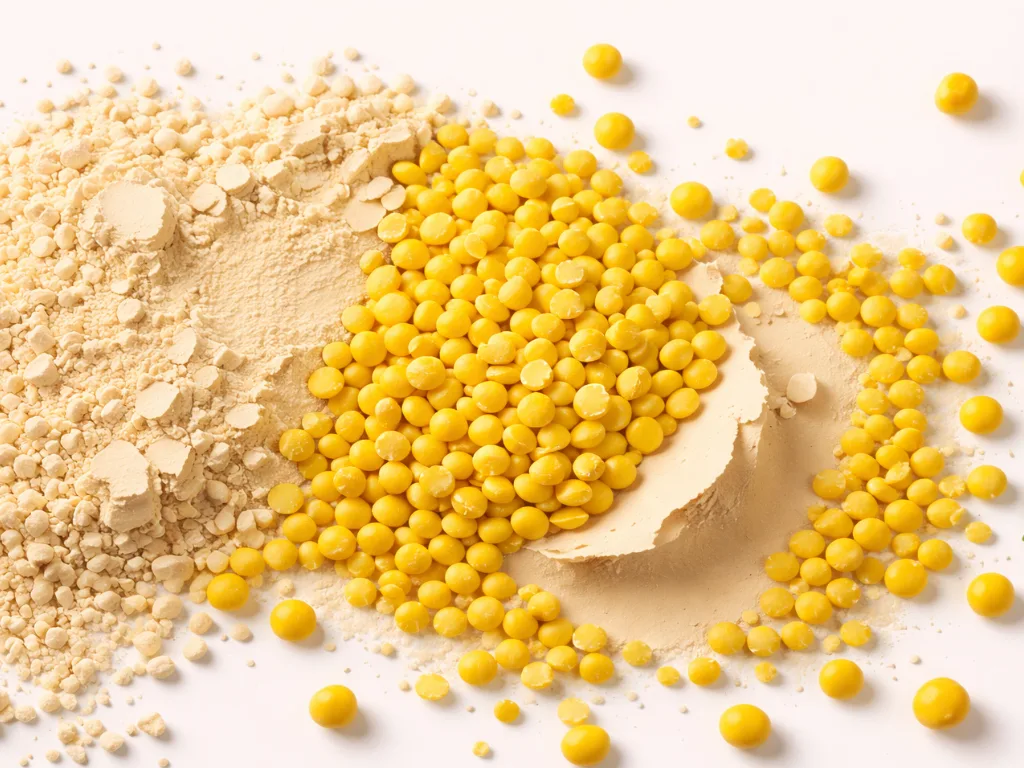
Plant-based protein has moved far beyond niche nutrition. For food and beverage manufacturers, the decision between pea or rice protein powder is no longer about trends—it is about formulation performance, consumer acceptance, clean-label positioning, and long-term scalability.
As demand rises for dairy-free, allergen-friendly, and sustainable protein solutions, manufacturers are challenged to select protein ingredients that deliver on nutrition, taste, texture, and functionality without compromising processing efficiency. Pea protein and rice protein have emerged as two of the most commercially viable options, each with distinct strengths depending on application and market goals.
This article explores the technical, nutritional, and commercial considerations of pea or rice protein powder, helping B2B manufacturers make informed decisions while highlighting how Satoria Nutrisentials’ plant-based protein portfolio supports product innovation across food, beverage, and nutrition categories.
Understanding Plant-Based Protein Demand in B2B Manufacturing
The global shift toward plant-based nutrition is driven by more than consumer lifestyle choices. Regulatory pressures, sustainability targets, allergen concerns, and supply chain diversification are all influencing ingredient decisions at the manufacturing level.
Manufacturers are increasingly seeking plant protein ingredients that offer:
- Clean-label appeal without chemical-sounding additives
- Neutral flavor profiles suitable for multiple applications
- Strong amino acid composition for nutritional claims
- Compatibility with modern processing methods
- Reliable global supply and technical support
Within this landscape, pea or rice protein powder stands out as a practical solution for brands developing plant-based beverages, nutrition bars, dairy alternatives, and functional foods.
What Is Pea Protein Powder?
Pea protein powder is derived from yellow peas through a process that removes starch and fiber, concentrating protein content while maintaining plant-based integrity. It has become one of the most widely used vegan protein ingredients in food manufacturing.
Nutritional Profile of Pea Protein
Pea protein is valued for its balanced amino acid profile, particularly its relatively high levels of branched-chain amino acids (BCAAs). While it is not a complete protein on its own, it performs exceptionally well in blended formulations.
Key nutritional characteristics include:
- Protein content typically above 80%
- High lysine levels compared to other plant proteins
- Naturally free from dairy, soy, and gluten
- Suitable for vegan and vegetarian labeling
These attributes make pea protein an ideal base for plant-based protein powders, ready-to-drink beverages, and fortified foods.
Functional Advantages of Pea Protein in Food Applications
Beyond nutrition, pea protein offers functional benefits that are critical for commercial food production.
Texture and Mouthfeel Performance
Pea protein provides body and viscosity, which is especially useful in smoothies, shakes, and plant-based dairy alternatives. It contributes to a creamy texture without the need for excessive stabilizers.
Heat Stability and Processing Compatibility
Pea protein performs well in heat-treated products such as UHT beverages and baked goods. Its stability allows manufacturers to maintain protein integrity during processing and storage.
Application Versatility
Common applications for pea protein powder include:
- Plant-based milk and yogurt alternatives
- Protein bars and nutrition snacks
- Sports nutrition and meal replacements
- Bakery products requiring protein fortification
Satoria Nutrisentials’ pea protein and pea protein isolate are designed to support these applications while maintaining consistent quality and performance.
What Is Rice Protein Powder?
Rice protein powder is extracted from brown rice and processed to concentrate protein content while preserving its naturally mild characteristics. It is particularly favored in formulations where taste neutrality is essential.
Nutritional Profile of Rice Protein
Rice protein typically contains a slightly lower protein concentration than pea protein, but it offers unique formulation benefits.
Notable nutritional features include:
- Hypoallergenic and suitable for sensitive consumers
- Naturally gluten-free and soy-free
- Lower fat content compared to some plant proteins
- Easy to digest for a wide consumer base
While rice protein is lower in lysine, it complements pea protein well in blended formulations, enabling manufacturers to achieve a more complete amino acid profile.
Functional Benefits of Rice Protein in Manufacturing
Rice protein excels in applications where flavor clarity and light texture are priorities.
Neutral Taste Advantage
One of rice protein’s strongest benefits is its minimal impact on flavor. This makes it ideal for beverages and products where delicate taste profiles are essential.
Smooth Texture in Beverages
Rice protein contributes to a lighter mouthfeel, reducing chalkiness often associated with some plant proteins. This is especially valuable in clear or lightly flavored drinks.
Application Suitability
Rice protein powder is commonly used in:
- Plant-based beverages and nutrition drinks
- Infant and medical nutrition products
- Snack bars with mild flavor profiles
- Clean-label formulations targeting sensitive consumers
Satoria Nutrisentials’ rice protein solutions support manufacturers seeking allergen-friendly and neutral-tasting protein ingredients.
Pea or Rice Protein Powder: Key Differences for Manufacturers
Choosing between pea or rice protein powder depends on formulation goals, target consumers, and processing requirements.
Protein Content and Amino Acid Composition
Pea protein offers higher lysine content, while rice protein provides complementary amino acids. For manufacturers seeking complete protein claims, blending both proteins is a strategic approach.
Flavor and Sensory Impact
Rice protein delivers a cleaner taste, while pea protein may require flavor masking depending on application. Advances in processing have significantly improved pea protein flavor, reducing this challenge.
Texture and Functional Performance
Pea protein contributes more viscosity and structure, while rice protein creates a lighter texture. Selecting the right protein depends on whether body or smoothness is prioritized.
Why Blended Plant Proteins Are Gaining Momentum
Rather than choosing strictly pea or rice protein powder, many manufacturers are moving toward blended solutions to maximize performance and nutritional value.
Benefits of Pea and Rice Protein Blends
Blending these proteins allows manufacturers to:
- Achieve a more balanced amino acid profile
- Improve taste and mouthfeel
- Reduce reliance on flavor masking agents
- Enhance labeling flexibility for plant-based claims
Satoria Nutrisentials supports this approach by offering customized protein solutions tailored to specific product categories.
Clean Label and Regulatory Considerations
Modern consumers expect transparency, and manufacturers must align with evolving regulatory standards across global markets.
Clean Label Positioning
Both pea and rice protein powders support clean-label formulations by minimizing the need for artificial additives. This aligns with consumer demand for recognizable ingredients.
Allergen-Friendly Formulations
Rice protein is naturally hypoallergenic, while pea protein avoids common allergens such as soy and dairy. These attributes expand market reach across sensitive consumer segments.
Global Market Compliance
Satoria Nutrisentials ensures that its plant-based protein ingredients meet international quality and safety standards, supporting manufacturers entering multiple regions.
Sustainability and Supply Chain Considerations
Sustainability has become a core decision factor in ingredient selection.
Environmental Impact
Pea protein is associated with lower water usage and nitrogen-fixing agricultural benefits, while rice protein utilizes a widely available raw material. Both contribute positively to sustainable sourcing strategies.
Reliable Ingredient Supply
For B2B manufacturers, consistency matters. Satoria Nutrisentials focuses on stable sourcing, quality control, and long-term supply reliability to support scalable production.
Application-Specific Recommendations for Manufacturers
Choosing between pea or rice protein powder should be guided by end-product requirements.
Beverages and Ready-to-Drink Products
Rice protein offers superior flavor neutrality, while pea protein provides protein density. Blends are often ideal for balancing nutrition and taste.
Nutrition Bars and Snacks
Pea protein contributes structure and protein content, while rice protein softens texture and improves palatability.
Dairy Alternatives and Functional Foods
Pea protein enhances creaminess, making it suitable for yogurts and
How Satoria Nutrisentials Supports Protein Innovation
Satoria Nutrisentials is more than a protein supplier. The company partners with manufacturers to optimize formulations, improve processing efficiency, and align products with market trends.
Product Portfolio Alignment
Satoria Nutrisentials offers:
- Pea protein and pea protein isolate
- Rice protein for allergen-sensitive formulations
- Complementary functional ingredients such as resistant dextrin and clean-label fibers
This integrated portfolio enables manufacturers to develop high-protein, plant-based products with improved texture, stability, and nutritional value.
Partner with Satoria Nutrisentials for Scalable Plant Protein Solutions
Choosing between pea or rice protein powder is not just an ingredient decision—it is a strategic move that impacts product performance, consumer trust, and long-term growth.
Build Smarter Plant-Based Products with Confidence
Satoria Nutrisentials works closely with B2B manufacturers to deliver tailored protein solutions backed by technical expertise, reliable sourcing, and innovation-driven support. Whether you are formulating beverages, snacks, or functional nutrition products, the right protein strategy starts with the right partner.
Connect with Satoria Nutrisentials today to explore customized pea and rice protein solutions that elevate your next product innovation.
Reference
- Food and Agriculture Organization of the United Nations. (2019). Dietary protein quality evaluation in human nutrition. https://www.fao.org
- World Health Organization. (2020). Protein and amino acid requirements in human nutrition. https://www.who.int
- Grand View Research. (2023). Plant-based protein market size and trends. https://www.grandviewresearch.com
- European Food Safety Authority. (2021). Safety assessment of plant protein ingredients. https://www.efsa.europa.eu
- Mintel. (2022). Global plant-based food and beverage trends. https://www.mintel.com
Featured News
Category
Get a Promo and Keep Updated