
Clean Label Sweetener for Food Manufacturers: A Strategic Guide to Smarter Sugar Reformulation
Pea Protein Chocolate: Formulating Indulgent, High-Protein Chocolate Products for Modern Consumers
December 25, 2025
Protein & Nutritional Enhancers - Articles
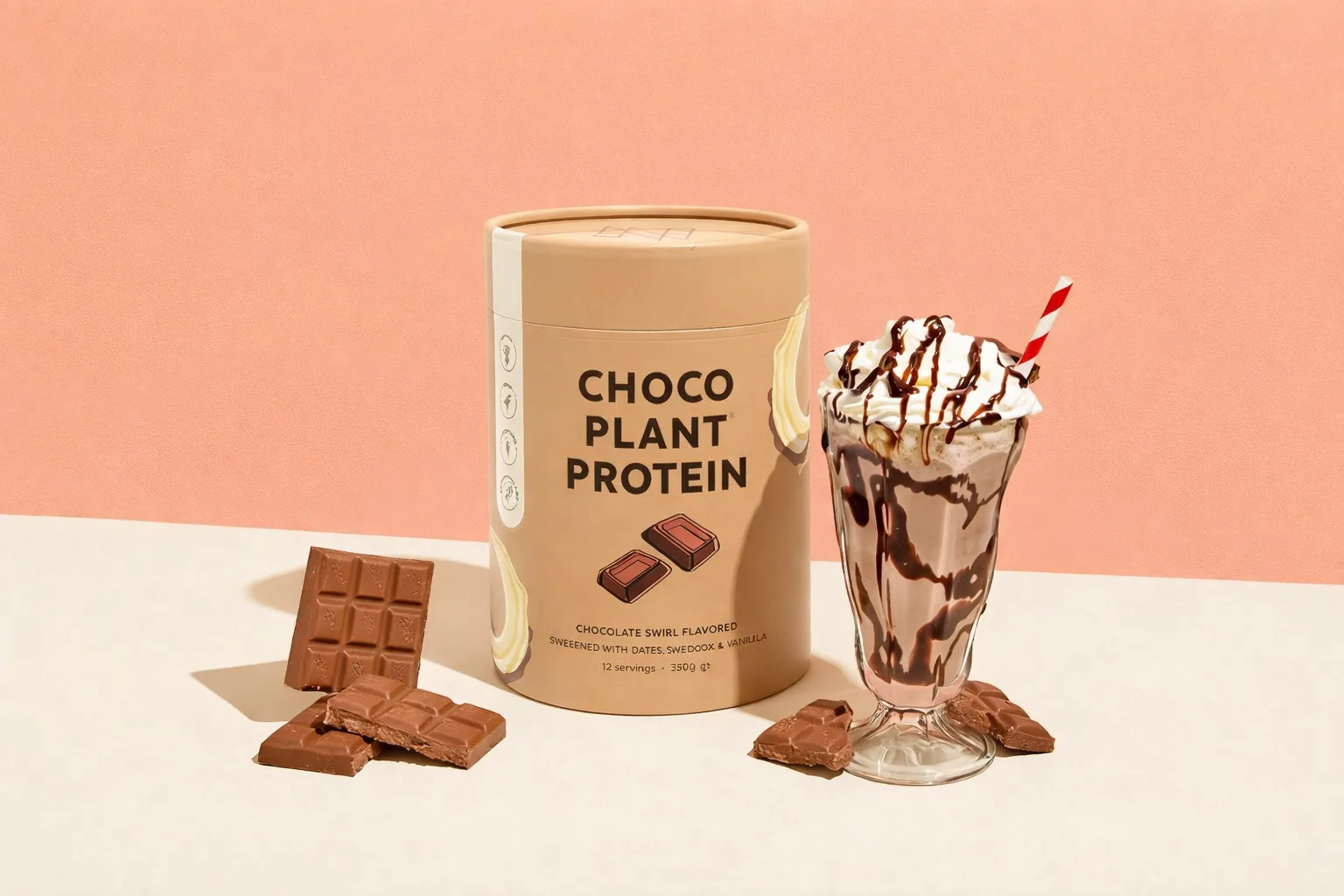
Chocolate continues to be one of the most universally loved flavors across global markets. Yet today’s consumers are no longer satisfied with indulgence alone. They want products that align with their health goals, ethical values, and dietary preferences—without compromising taste or texture. This shift has driven growing interest in pea protein chocolate, a formulation approach that combines plant-based protein with rich chocolate flavor to deliver both nutrition and enjoyment.
For food and beverage manufacturers, pea protein chocolate represents more than a trend. It is a strategic opportunity to develop high-protein, clean-label, and plant-based chocolate products that meet evolving consumer expectations while remaining scalable for commercial production. With the right ingredient choices and formulation expertise, pea protein chocolate can perform across a wide range of applications, from confectionery and snacks to functional beverages and nutrition bars.
Why Pea Protein Chocolate Is Gaining Momentum
The global demand for plant-based protein continues to rise, driven by flexitarian diets, sustainability concerns, and increased awareness of protein’s role in overall health. Chocolate, as a familiar and comforting flavor, serves as an ideal carrier for functional ingredients like pea protein.
Pea protein chocolate formulations allow brands to address multiple consumer needs at once—protein enrichment, dairy-free positioning, allergen reduction, and clean-label appeal—while maintaining the sensory qualities that make chocolate products desirable.
From a B2B perspective, pea protein offers manufacturers a versatile protein source that integrates well into chocolate-based systems when properly formulated. Its neutral origin, stable supply chain, and favorable nutritional profile make it an increasingly preferred option for modern chocolate innovation.
Understanding Pea Protein as a Functional Ingredient
Pea protein is derived from yellow peas and is widely used in plant-based food formulations due to its balanced amino acid profile and functional performance. In chocolate applications, its role extends beyond protein delivery—it also influences texture, mouthfeel, and processing behavior.
Nutritional Advantages of Pea Protein
Pea protein is valued for its high protein content and digestibility. It naturally contains branched-chain amino acids (BCAAs) and supports muscle maintenance and satiety, making it suitable for sports nutrition, lifestyle nutrition, and better-for-you indulgence products.
Unlike some other plant proteins, pea protein is free from common allergens such as dairy, soy, and gluten. This makes pea protein chocolate suitable for a broader consumer base, including those with dietary restrictions.
Functional Properties in Chocolate Formulations
From a formulation standpoint, pea protein offers good emulsification and water-binding properties. However, its integration into chocolate systems requires careful consideration of particle size, dispersion, and flavor masking to ensure smooth texture and clean taste.
Satoria Nutrisentials supplies pea protein and pea protein isolate designed to meet industrial formulation needs, supporting consistency, solubility, and compatibility across chocolate-based applications.
Key Challenges in Pea Protein Chocolate Formulation
While pea protein chocolate offers significant potential, it also presents formulation challenges that manufacturers must address to achieve market-ready products.
Managing Flavor and Off-Notes
One of the most common concerns in pea protein chocolate is managing vegetal or earthy notes that can interfere with chocolate flavor. Proper protein selection, processing methods, and complementary ingredients are essential to maintain a rich, authentic chocolate profile.
Using high-quality cocoa ingredients alongside refined pea protein isolates can help preserve chocolate intensity while minimizing off-flavors. Sweetener systems and flavor modulators also play a critical role in balancing taste.
Achieving Smooth Texture and Mouthfeel
Chocolate products are judged heavily on texture. Grittiness or dryness caused by poorly dispersed protein can negatively impact consumer perception. Particle size control, fat phase optimization, and the inclusion of functional fibers can help improve mouthfeel in pea protein chocolate.
Satoria Nutrisentials’ ingredient portfolio supports texture optimization through complementary solutions such as Resistant Dextrin (Fiberfit™), which can enhance body and smoothness without adding viscosity or sweetness.
Applications of Pea Protein Chocolate Across Categories
Pea protein chocolate is highly adaptable and can be used across multiple food and beverage categories, allowing manufacturers to diversify their product portfolios while maintaining ingredient efficiency.
Chocolate Bars and Confectionery
In confectionery, pea protein chocolate enables the development of high-protein chocolate bars, filled chocolates, and coated snacks. These products appeal to consumers seeking indulgent treats with added nutritional value.
Formulators must balance protein inclusion levels with fat content and cocoa solids to maintain snap, gloss, and melt characteristics expected in premium chocolate.
Functional Snacks and Nutrition Bars
Protein-enriched snack bars and bites are among the most popular applications for pea protein chocolate. Here, pea protein contributes to satiety and nutritional positioning, while chocolate delivers flavor familiarity and indulgence.
Combining pea protein with fibers like resistant dextrin allows manufacturers to improve texture, reduce sugar content, and support digestive health claims.
Chocolate-Flavored Protein Beverages
Pea protein chocolate is also widely used in ready-to-drink (RTD) beverages, protein shakes, and powdered drink mixes. These applications demand excellent solubility, flavor stability, and clean mouthfeel.
Satoria Nutrisentials’ pea protein solutions are designed to perform in beverage systems, supporting suspension stability and consistent sensory quality throughout shelf life.
Clean-Label and Sustainability Benefits
Clean-label positioning has become a core purchasing driver, especially in plant-based and functional nutrition segments. Pea protein chocolate aligns well with this demand, offering simple ingredient lists and recognizable sources.
Pea protein is also associated with a lower environmental footprint compared to animal-based proteins. Peas require less water and contribute to soil health through nitrogen fixation, making them an attractive choice for brands prioritizing sustainability.
For B2B manufacturers, these attributes support stronger brand narratives and align with retailer and consumer expectations for responsible sourcing.
Optimizing Pea Protein Chocolate with Complementary Ingredients
Successful pea protein chocolate formulations rarely rely on protein alone. Supporting ingredients are essential to enhance taste, texture, and nutritional performance.
Role of Resistant Dextrin in Chocolate Systems
Resistant dextrin is a soluble dietary fiber that integrates seamlessly into chocolate applications. It supports fiber enrichment, sugar reduction, and improved mouthfeel without impacting flavor.
Fiberfit™ Resistant Dextrin from Satoria Nutrisentials is particularly suited for pea protein chocolate formulations, as it maintains stability under heat and processing conditions commonly used in chocolate manufacturing.
Sweeteners and Sugar Alternatives
Many pea protein chocolate products aim to reduce sugar while maintaining sweetness. Polyols, natural sweeteners, or blended sweetening systems can be used alongside pea protein to achieve balanced flavor profiles.
The key is ensuring compatibility between protein, fiber, and sweetener systems to avoid texture or stability issues during processing and storage.
Market Opportunities for B2B Manufacturers
The global market for plant-based protein products continues to expand, with chocolate-flavored formats remaining among the top consumer preferences. Pea protein chocolate offers manufacturers the flexibility to serve multiple segments, including sports nutrition, wellness, indulgent snacking, and dairy alternatives.
From private-label products to premium branded offerings, pea protein chocolate supports innovation pipelines that respond to both health trends and sensory expectations. Manufacturers that invest in formulation expertise and ingredient partnerships are better positioned to scale successfully and differentiate in competitive markets.
Satoria Nutrisentials works closely with B2B partners to support product development, from ingredient selection to formulation optimization, ensuring that pea protein chocolate products are both technically sound and commercially viable.
Quality, Consistency, and Scalability in Production
For large-scale manufacturing, consistency is critical. Variability in protein quality, cocoa sourcing, or processing conditions can significantly impact final product performance.
Satoria Nutrisentials emphasizes ingredient reliability and technical support, helping manufacturers maintain consistent quality across batches and production sites. Their pea protein and functional ingredient solutions are designed to integrate smoothly into existing production lines, reducing formulation risk and time to market.
Innovation Outlook: The Future of Pea Protein Chocolate
As consumer expectations continue to evolve, pea protein chocolate is expected to move beyond basic protein enrichment. Future innovations may include fortified chocolate products targeting specific health benefits, hybrid indulgent-functional formats, and customized nutrition solutions.
Advancements in protein processing and flavor technology will further improve sensory performance, making pea protein chocolate increasingly competitive with traditional dairy-based chocolate products.
For manufacturers, staying ahead of these trends requires ongoing collaboration with ingredient partners who understand both market dynamics and formulation science.
Partnering for Smarter Chocolate Formulation
Build Better Chocolate with Satoria Nutrisentials’ Plant-Based Solutions
Developing successful pea protein chocolate products requires more than adding protein to a chocolate base. It demands the right balance of nutrition, taste, texture, and scalability. Satoria Nutrisentials offers a comprehensive portfolio of pea protein, pea protein isolate, resistant dextrin, and functional ingredients designed to support modern chocolate formulations.
Partner with Satoria Nutrisentials to transform pea protein chocolate concepts into high-performance, market-ready products that meet today’s clean-label, plant-based, and functional nutrition demands.
Reference
- Food and Agriculture Organization of the United Nations. (2023). Plant protein sources and sustainable food systems. FAO Publishing.
- Mintel. (2024). Global trends in plant-based and protein-enriched confectionery. Mintel Group Ltd.
- McClements, D. J. (2020). Plant-based proteins in food systems: Structure, functionality, and applications. Annual Review of Food Science and Technology, 11, 1–23.
- World Health Organization. (2023). Protein intake and health outcomes. WHO Press.
- Satoria Nutrisentials. (2024). Product portfolio and functional ingredient solutions. Satoria Nutrisentials.
Featured News
Category
Get a Promo and Keep Updated