
Plant Protein for Dairy Alternative Formulation: A Practical Guide for Food Innovators
Plant Protein for Dairy Alternative Formulation: A Practical Guide for Food Innovators
April 10, 2026
Protein & Nutritional Enhancers - Articles
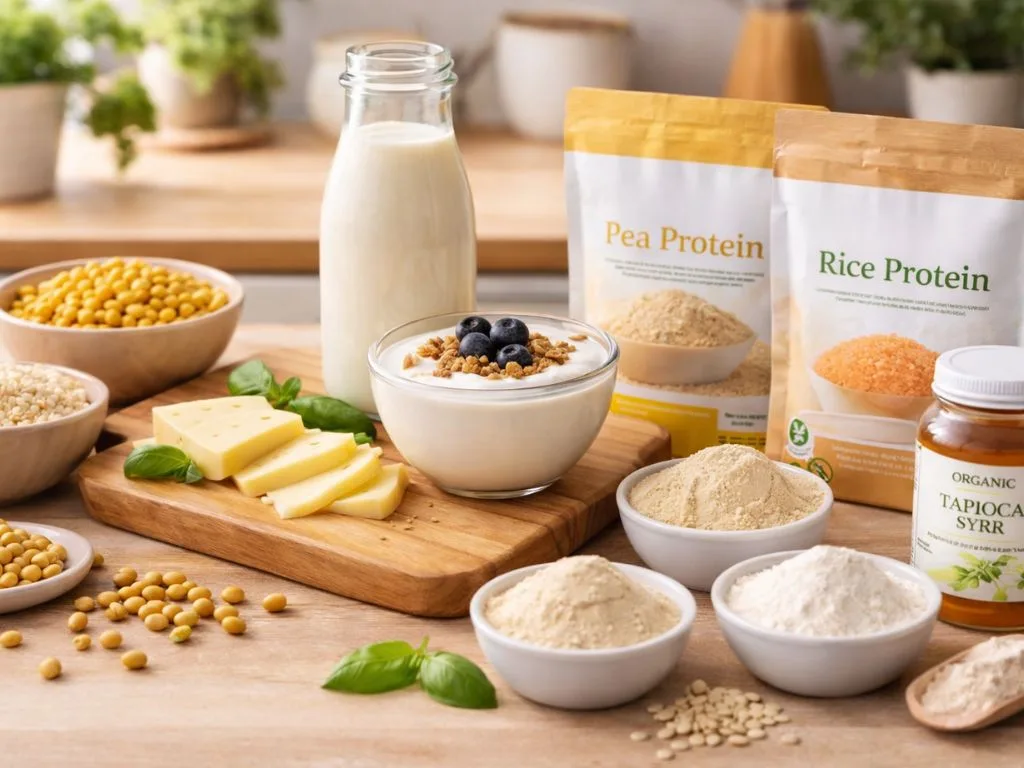
The global demand for dairy alternatives is accelerating, driven by shifting consumer preferences toward plant-based, lactose-free, and sustainable products. For food manufacturers, plant protein for dairy alternative formulation is no longer a niche topic—it is a strategic priority.
From oat milk to plant-based yogurt and cheese, the challenge lies in delivering the same sensory experience as dairy while maintaining clean label positioning. This is where functional plant proteins—such as pea protein, rice protein, and complementary ingredients like resistant dextrin—play a critical role.
This guide explores how to effectively use plant protein in dairy alternative formulation, with practical insights aligned to ingredient solutions offered by Satoria Nutrisentials.
Understanding the Role of Plant Protein in Dairy Alternatives
Plant proteins are the backbone of dairy alternatives, providing structure, nutrition, and functional properties. However, unlike dairy proteins such as casein and whey, plant proteins require careful formulation to mimic dairy characteristics.
In dairy systems, proteins contribute to emulsification, foaming, gelation, and mouthfeel. Replicating these functions using plant protein requires a strategic combination of ingredients and processing techniques.
Key Functional Roles of Plant Protein
- Texture and Mouthfeel: Contributes to creaminess and body
- Emulsification: Stabilizes fat and water phases in beverages
- Foaming: Important for barista-style plant milk
- Gelation: Critical for yogurt and cheese alternatives
- Nutritional Value: Provides protein content comparable to dairy
For manufacturers exploring plant-based dairy formulation, selecting the right protein source is essential to balance performance and consumer acceptance.
Common Types of Plant Protein Used in Dairy Alternative Formulation
Different plant proteins offer distinct functional and sensory characteristics. Choosing the right one—or combination—is key to successful formulation.
Pea Protein: A Versatile Workhorse
Pea protein has become one of the most widely used ingredients in plant protein for dairy alternative formulation due to its balanced amino acid profile and functional versatility.
Advantages:
- Neutral taste compared to other plant proteins
- Good emulsification and solubility
- Suitable for beverages, yogurt, and creamers
Satoria Nutrisentials offers high-quality pea protein ingredients tailored for food manufacturing, supporting stable and scalable formulations.
Rice Protein: Smooth Texture and Hypoallergenic Profile
Rice protein is valued for its smooth mouthfeel and hypoallergenic nature, making it ideal for sensitive consumer segments.
Advantages:
- Light flavor profile
- Easy digestibility
- Works well in combination with pea protein
Blending rice and pea protein is a common strategy to improve both texture and nutritional completeness in dairy alternatives.
Combining Proteins for Optimal Performance
No single plant protein can fully replicate dairy functionality. Many manufacturers use protein blending strategies to achieve better results.
For example:
- Pea protein + rice protein → improved texture and amino acid profile
- Plant protein + resistant dextrin → enhanced mouthfeel and fiber content
This approach aligns with clean label trends while improving product performance.
Key Challenges in Plant-Based Dairy Formulation
Despite growing innovation, formulating dairy alternatives remains technically complex. Understanding these challenges helps manufacturers create better products.
1. Flavor Masking
Plant proteins can introduce off-notes such as bitterness or beany flavors. This is especially common in pea protein.
Solutions:
- Use high-purity protein isolates
- Apply flavor masking systems
- Optimize processing conditions
2. Texture and Mouthfeel
Achieving the creamy texture of dairy milk or yogurt is one of the biggest challenges in plant-based dairy formulation.
Solutions:
- Use hydrocolloids and stabilizers
- Incorporate functional fibers like resistant dextrin
- Optimize homogenization
3. Stability and Shelf Life
Plant-based beverages often face issues such as sedimentation or phase separation.
Solutions:
- Improve protein solubility
- Use emulsifiers and stabilizers
- Optimize pH and processing conditions
4. Nutritional Positioning
Consumers expect dairy alternatives to match or exceed dairy in protein content.
Solutions:
- Use high-protein plant sources
- Blend proteins for a complete amino acid profile
- Fortify with vitamins and minerals
Functional Ingredients That Enhance Dairy Alternatives
Beyond plant protein, additional functional ingredients are essential to improve product quality and performance.
Resistant Dextrin for Texture and Fiber Enrichment
Resistant dextrin is a soluble dietary fiber that enhances mouthfeel and stability without impacting taste.
Benefits in dairy alternatives:
- Improves viscosity and creaminess
- Acts as a fat replacer
- Supports digestive health claims
- Enables clean label positioning
Satoria Nutrisentials offers resistant dextrin solutions that integrate seamlessly into beverage and yogurt formulations.
Tapioca Syrup and Clean Label Sweeteners
Sweeteners play a role not only in taste but also in texture and shelf stability.
Benefits:
- Provides mild sweetness
- Enhances mouthfeel
- Supports clean label claims
Tapioca-based ingredients are increasingly preferred for natural positioning.
Applications of Plant Protein in Dairy Alternatives
Plant protein can be applied across a wide range of dairy alternative products, each with specific formulation requirements.
Plant-Based Milk
The most common application, requiring high solubility and stable emulsification.
Key considerations:
- Smooth mouthfeel
- No sedimentation
- Balanced protein content
Plant-Based Yogurt
Requires gelation and viscosity to mimic traditional yogurt texture.
Key considerations:
- Protein-stabilizer interaction
- Fermentation compatibility
- Creamy texture
Plant-Based Cheese
One of the most challenging applications due to the complexity of dairy cheese structure.
Key considerations:
- Meltability
- Stretchability
- Flavor development
Creamers and Barista Applications
Requires excellent foaming and stability under heat.
Key considerations:
- Foam stability
- Heat resistance
- Neutral flavor
Clean Label and Market Trends Driving Innovation
The rise of clean label and health-conscious consumers is reshaping plant protein for dairy alternative formulation.
Key Trends
- Minimal ingredients: Consumers prefer recognizable ingredients
- High-protein claims: Demand for functional nutrition
- Digestive health: Interest in fiber and gut health
- Sustainability: Lower environmental impact than dairy
Manufacturers must align formulation strategies with these evolving expectations while maintaining product performance.
Why Ingredient Quality Matters in Formulation
Not all plant proteins are created equal. Ingredient quality directly impacts product success.
Key Factors to Consider
- Protein purity and consistency
- Solubility and dispersibility
- Flavor profile
- Supply chain reliability
Satoria Nutrisentials provides high-quality plant-based ingredients—including pea protein, rice protein, resistant dextrin, and tapioca-derived solutions—designed for industrial-scale food manufacturing.
Their expertise supports manufacturers in overcoming formulation challenges while accelerating product development.
How to Approach Plant Protein Dairy Formulation Strategically
For product developers, a structured approach can significantly improve outcomes.
Step-by-Step Strategy
- Define product target (milk, yogurt, cheese, etc.)
- Select primary plant protein source
- Optimize texture with functional fibers
- Balance flavor with masking solutions
- Test stability and shelf life
- Scale up with reliable ingredient partners
This systematic approach ensures consistent and scalable results.
Future Outlook: Innovation in Plant-Based Dairy
The future of dairy alternatives lies in continuous innovation. Advances in ingredient technology, processing, and formulation are unlocking new possibilities.
Emerging trends include:
- Improved protein extraction techniques
- Hybrid formulations combining multiple plant sources
- Functional blends targeting specific health benefits
As the category evolves, manufacturers who invest in high-quality ingredients and strategic formulation will gain a competitive edge.
Power Your Next Dairy Innovation with Functional Plant Ingredients
Developing successful dairy alternatives requires more than just replacing milk—it demands a deep understanding of functionality, nutrition, and consumer expectations.
With Satoria Nutrisentials’ portfolio of plant protein, resistant dextrin, and clean label ingredient solutions, manufacturers can create high-performing dairy alternatives that meet market demands.
Whether you are formulating plant-based milk, yogurt, or cheese, the right ingredient partner can make all the difference.
Explore Satoria Nutrisentials’ product range and request samples today to accelerate your next plant-based innovation.
Reference
- Aydar, E. F., Tutuncu, S., & Ozcelik, B. (2020). Plant-based milk substitutes: Nutritional and functional properties. Journal of Food Science and Technology. https://doi.org/10.1007/s13197-020-04272-9
- Jeske, S., Zannini, E., & Arendt, E. K. (2018). Past, present and future of plant-based dairy alternatives. Comprehensive Reviews in Food Science and Food Safety. https://doi.org/10.1111/1541-4337.12347
- McClements, D. J., & Grossmann, L. (2021). The science of plant-based foods: Constructing next-generation meat, fish, milk, and egg analogs. Comprehensive Reviews in Food Science and Food Safety. https://doi.org/10.1111/1541-4337.12607
- Sethi, S., Tyagi, S. K., & Anurag, R. K. (2016). Plant-based milk alternatives: An emerging segment of functional beverages. Journal of Food Science and Technology. https://doi.org/10.1007/s13197-016-2328-3
- Tang, C. H. (2017). Emulsifying properties of plant proteins. Current Opinion in Food Science. https://doi.org/10.1016/j.cofs.2017.01.005
- Mintel Group Ltd. (2023). Global plant-based dairy market trends report. https://www.mintel.com
- FAO. (2019). Dietary protein quality evaluation in human nutrition. http://www.fao.org
- Grand View Research. (2024). Plant-based dairy alternatives market size report. https://www.grandviewresearch.com
- McKinsey & Company. (2023). The future of plant-based food. https://www.mckinsey.com
- NIH. (2022). Dietary fiber and health benefits. https://www.ncbi.nlm.nih.gov
Featured News
Category
Get a Promo and Keep Updated