
Natural Food Thickener for Clean Label Products Used for Modern Food & Beverage Formulation
Protein Powder Canada: The Ultimate Guide for B2B Food & Beverage Manufacturers
December 13, 2025
Protein & Nutritional Enhancers - Articles
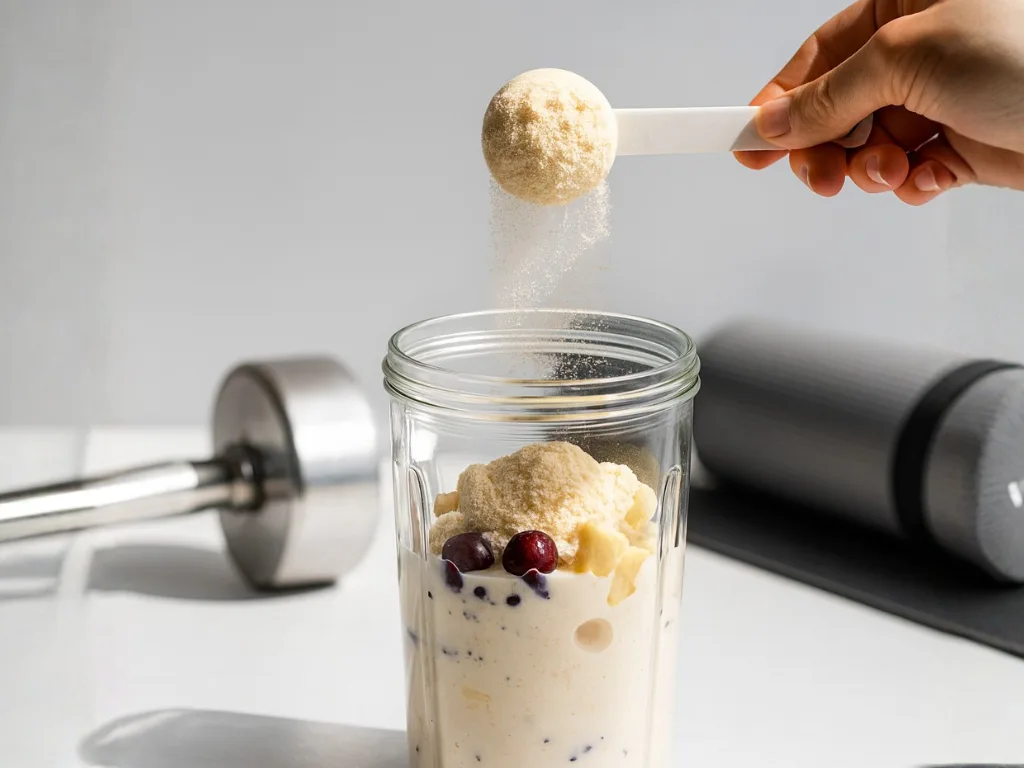
The demand for protein-enhanced products across Canada is no longer limited to supplements and gyms. Today, food and beverage brands from snacks to ready-to-drink beverages are racing to meet consumer expectations for cleaner labels, stable texture, low glycemic impact, and functional nutrition.
Leading this shift, Satoria Nutrisentials provides scalable, regulation-aligned functional ingredients tailored for manufacturers seeking commercially viable protein solutions. Their product portfolio includes plant-based and gut-friendly fibers like Resistant Dextrin, Pea Protein, Rice Protein, and tailored sweetener blends—ingredients ideal for modern product reformulation without compromising taste or processing stability.
This guide dives deep into the technical requirements, market landscape, regulatory considerations, formulation challenges, and strategic advantages of sourcing protein powder in canadian supplement market. It also maps each topic back to Satoria Nutrisentials solutions for manufacturers creating high-performing protein-enhanced products at scale.
Canada’s Protein Powder Market Overview
Canada’s protein powder sector sits at the intersection of supplements, functional food, and clinical nutrition. For manufacturers, growth comes from two streams:
- Traditional supplement brands expanding product portfolios, formats, and regional distribution.
- Functional food manufacturers embedding protein into everyday consumables like bars, baked goods, beverages, sauces, and dairy alternatives.
Protein buyers—especially in B2B—now prioritize not just content per gram, but also solubility, heat and acid stability, allergen profiles, glycemic responses, gut-fiber synergy, and regulatory compliance.
Key market drivers for manufacturers
- Rising preference for plant proteins due to dairy allergen and intolerance concerns.
- Protein + fiber formulations to support gut microbiome health.
- Functional claims with low glycemic impact for metabolic health segments.
- High processing performance under industrial conditions.
Protein suppliers like Satoria Nutrisentials cater directly to these trends through ingredients with proven scalability in food manufacturing workflows.
Market size pulse (B2B perspective)
- Manufacturers increasingly seek bulk protein supply and fiber-protein hybrid ingredients.
- Clean label certifications like non-GMO, Halal, and vegan-friendly status influence long-term contracts.
- Market growth is increasingly driven by diversification into retail food formats.
Protein Powder Buyer Requirements in Canada (B2B Checklist)
Manufacturers sourcing protein powder typically validate suppliers using the following criteria. These have become the unofficial standard for long-term B2B purchasing, especially in supplement and functional food formulation:
- Solubility performance
- Heat and acid process stability
- Allergen and dietary compliance
- Consistency in texture and mouthfeel
- Low glycemic formulation compatibility
- Microbiome and prebiotic synergy potential
- Reliable supply chain & lead times
- Neutral taste carrying capability
- Brand-agnostic customization
- Certifications & regulatory alignment
Each of these factors heavily informs contract decisions, especially when protein powders move from supplement formats into mainstream functional foods.
Plant Proteins vs Whey in Canada
whey protein remains the dominant supplement ingredient globally. But for Canadian manufacturers, especially those dealing with bars, beverages, and dairy alternatives, plant proteins are rapidly closing the gap. Here’s why:
- Allergen reduction: Dairy triggers aware formulation switches.
- Gut synergy: B2B buyers now request protein-fiber combinations to support microbiome endpoints.
- Scalability: Plant proteins hold up better through heat processing.
- Regulatory flexibility: Plant proteins reduce risk in functional-claim products especially targeting metabolism and digestion.
Among plant ingredients, Pea Protein and Rice Protein have become especially commercially viable alternatives to whey for manufacturers prioritizing label clarity, allergen reduction, and process stability.
Commercial manufacturing verdict
Plant proteins outperform whey when:
- High temperatures are involved
- Acid-based formulations are used (RTD beverages, sauces)
- Fiber synergy is required
- Allergens or lactose reduction is a formulation priority
- Vegan or Halal lines are expanded at scale
Satoria Nutrisentials Protein Solutions for the Canadian Market
1. Resistant Dextrin — Fiberfit
- High heat stability
- Clinically backed soluble fiber
- Prebiotic and microbiome-friendly
- Zero-impact on taste clarity
- Low glycemic formulation enabler
- Strong hydration and viscosity impact control
- Water-soluble for beverages and sauces
- Allergens-free
- Halal + Vegan + Non-GMO compliant
- Ideal for fiber-protein synergy in clean-label products
2. Pea Protein / Pea Protein Isolate
- Superior digestibility
- Gentle on sensitive populations
- Strong amino profile
- Vegan-friendly
- Heat stable under industrial conditions
- No dairy allergens
- Works well for baked goods, bars, beverages, snacks
- Sustainable ingredient source appeal
- Excellent base for high-volume protein powder manufacturing
- Compatible with microbiome-focused products when combined with fiber
yellow split peas are the foundation behind Satoria’s premium pea protein lines, a significant plus for manufacturers marketing sustainable plant nutrition.
3. Rice Protein
- Gluten-free
- Hypoallergenic protein source
- Gentle taste carrier
- Ideal for clinical nutrition verticals
- Manufacturing stable in dry blends
- Trusted by Asian-Pacific food brands and responsive retail lines
- Low allergenicity rating advantage
- Preferred for sensitive-population protein products
- Strong alternative for brands avoiding soy, dairy, and wheat allergens
- Smooth processing advantage in powder-blend manufacturing
4. SweetSentials™
- Calorie-virtual formulation support
- Natural sweetness blend ecosystem
- Complements plant proteins without crystallization
- Excellent for bars, beverages, pastry reformulation
- Supports clean label sweetness + protein combinations
- Helps balance earthy plant flavor notes in Pea Protein blends
- Reduces bitterness in fiber-protein combos
- NOT erythritol-positioned but ecosystem sweet blend
- Process stable under dry or wet industrial applications
- Useful for sweetness-per-gram contract manufacturing needs
Regulatory Standards for Protein Powder Supply in Canada
Manufacturing partners distributing in Canada typically verify protein claims under the following regulatory frameworks:
- Health Canada (Natural & Non-natural products division)
- Allergen-compliance labeling (CFIA downstream for food)
- Ingredient-list transparency for clinical or functional claims
- Leaf temperature tolerance testing for batch consistency
- Solubility and microbial-safety adherence in manufacturing
Protein powders tied into functional food claims often reference glycemic response guidelines especially when paired with fiber or sugar alternatives.
Because Satoria’s portfolio aligns with Halal, vegan, and non-GMO certification expectations, their ingredients carry lower long-term regulatory risk when entering multi-format manufacturing agreements.
Protein Powder Formulation Challenges in Commercial Food Manufacturing
Protein powders in high-volume manufacturing aren’t plug-and-play. For Canadian manufacturers especially scaling retail-format functional foods, these formulation challenges matter most:
1. Solubility in high-volume liquid lines
Clumping ruins batch consistency. When powders aren’t water-soluble, manufacturers need anti-clogging mitigation workflows. Water-soluble protein powders reduce this risk.
2. Heat processing stability
For bars, cookies, sauces, and industrial pastries, protein must survive extended high-temperature runs without denaturing aroma, structure, or compaction integrity.
3. Acid compatibility
RTD drinks and industrial sauces have low pH profiles. Proteins that fail acid-tolerance testing compromise shelf life, texture, and nutrient claims.
4. Texture and mouthfeel
Retail products must feel premium—dense when baked, smooth when drank, stable when shelved. Protein powders with inconsistent hydration or viscosity properties are rejected in early RFP stages.
5. Allergen clarity
Soy, wheat, dairy, and nut-allergens block distribution contracts across schools, clinical verticals, and retail food lines. Lower allergen formulation widens contract eligibility.
6. Neutral taste carrier performance
An earthy or bitter powder influences the entire batch. Manufacturers increasingly request proteins that fit sweetness-balancing ecosystems without dominating flavor profiles.
7. COGS feasibility
Total cost per gram must support manufacturing profit margins. Powders requiring excessive masking, emulsifiers, or texture stabilizers inflate costs.
8. Certifications
Halal, vegan, and non-GMO status aren’t “nice-to-haves” anymore—they’re contract infrastructure.
9. Reliable long-term supply chain
Canada-based buyers reject suppliers that can’t meet consistent batch replenishment for high-volume production.
10. Clinical vs retail claim segmentation flexibility
Functional foods often transition from supplement claims to clinical claims. Supplier fluidity here matters.
Resistant Dextrin + Protein Powder: The Most Scalable Synergy in Canadian Manufacturing
Fiber-protein hybrids aren’t a trend in Canada—they’re emerging infrastructure for brands positioning digestive and metabolic health.
Resistant dextrin stands out because:
- It dissolves cleanly—especially vital for beverages and sauces
- Maintains structural integrity during heating
- Enables low glycemic formulation without interfering with sweetness ecosystems
- Supports prebiotic-focused protein lines without compromising texture
- Has clear retail-format translation potential from supplement to functional food aisles
Satoria Nutrisentials’ Fiberfit Resistant Dextrin provides this synergy while retaining taste clarity—critical for brands scaling industrial protein-powder blends for national distribution.
How Canadian Manufacturers Use Protein Powder at Scale
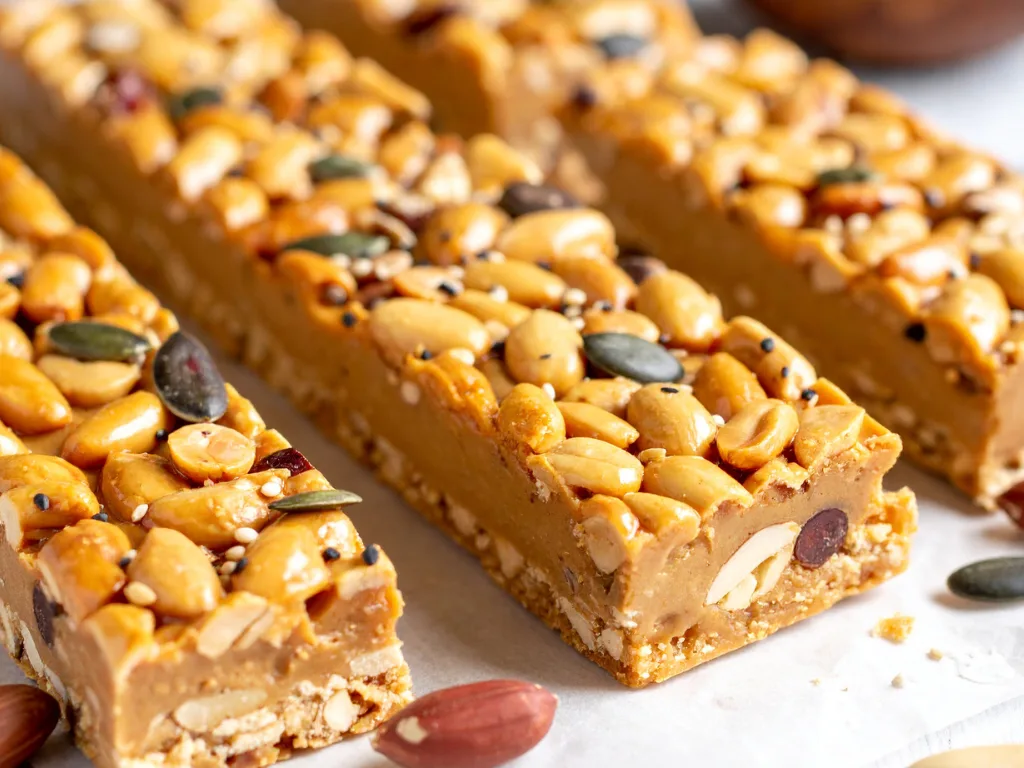
Protein powder supply contracts usually fall into these B2B manufacturing formats:
- Dry powder blends (supplements, bars, pastry mixes
- RTD beverages (pre- or post-workout, metabolic or digestion focus)
- Protein bars (retail snack category)
- Bakery products (cookies, snacks, pastries)
- Sauces and industrial dairy alternatives
- Clinical nutrition blends
- E-commerce supplement retail expansion
- Glycemic-focused product reformulation
- Pediatric or sensitive-population nutrition SKUs
- Sports or lifestyle recovery lines
Satoria’s plant proteins + gut-friendly fibers integrate naturally into these workflows because they balance claim-viability with manufacturing stability.
Technical Buyer Perspective
Protein powder procurement isn’t emotional, but contract decisions are deeply practical.
Buyers are asking themselves:
- Will this protein blend dissolve smoothly in our production lines?
- Can it survive heat or acid without losing structure?
- Are allergens a distribution blocker?
- Can we maintain texture clarity without bloating COGS?
- Will this supplier handle national batch replenishments?
- Will certifications pass retail and clinical formulation scrutiny?
- Will the taste balance without heavy masking?
- Can we support metabolic-health claims without sugar spikes?
- Does the ingredient list read clean to a health-aware audience?
- Will this take our product from formulation to shelf reliably at scale?
Satoria Nutrisentials exists in this decision ecosystem: functional ingredients, stable processing, clean taste, low glycemic, gut synergy, scalable batch fulfillment.
Protein-Powder Format Innovation: What Canada’s Retail & Functional Food Brands Are Doing Next
- Protein + Fiber Hybrids to offer digestion claims without sugar interference.
- Plant-based replacement lines positioning sustainability and allergens-free nutrition.
- Neutral sweetness blends masking bitterness instead of relying on chemical sweeteners.
- Sensitive-population SKUs including gluten-free or hypoallergenic lines.
- Calorie-virtual functional claims enabling metabolic health formulations at scale.
Satoria’s portfolio plugs directly into these next-generation manufacturing distributions, especially for companies expanding from supplement aisles into functional foods.
Sourcing Protein Powder for Sensitive Populations: Rice vs Pea Protein Case for B2B Manufacturers
Rice protein procurement tends to win in clinical nutrition lines because:
- Gluten-free claims are easier to enforce at scale
- Allergen-risk is significantly reduced
- Mouthfeel remains smoother than most boost-heavy plant proteins
- Labels remain readable and clinical-claim ready
- Low pH or high lead temperatures are easier to batch-validate
- Supply chain is seen as more reliable than niche protein sources
- Accepted by Asia-Pacific and North-American markets
- Good for metabolic health formulas
- Easy to market into school or pediatric segments
- Gentle on formulation bitterness, easy to package into multi-flavour SKUs
Pea protein contracts tend to win when:
- Sustainability storylines are positioned
- Amino-content per gram influences contract viability
- Earthy plant notes are balanced by sweetness ecosystems instead of heavy masking
- Retail bars or bakery foods need structural baked-tolerance
- Manufacturers avoid dairy or soy allergens
- Powder blends require neutral taste synergy without sweetener crystallization
- Protein + fiber combos target digestive SKU expansion
- Fortified foods scale into metabolic-health sectors
- Halal + vegan batch certifications matter
- COGS feasibility must remain practical at volume
Both work best when combined with a stable soluble fiber like Resistant Dextrin to hit gut-friendly endpoints without compromising manufacturing feasibility.
COGS & Ingredient Volume Expectations for B2B Manufacturers
Canadian manufacturers evaluating protein suppliers usually benchmark using:
- Cost per gram feasibility
- Batch replenishment minimums
- Line-hydration tolerance
- Taste masking ratios
- Functional claim stackability
- Certification risk matrix
- Texture clarity
- Retail format viability
- Lead times
- Ingredient consistency
Ingredients like whey that require additional emulsifiers may inflate COGS. Conversely, plant proteins + resistant dextrin combos that dissolve and survive process conditions reduce downstream costs by eliminating extra stabilizers.
Protein-Supplier Certificates That Unlock Manufacturing Contracts in Canada
- Non-GMO
- Halal
- Vegan
- Gluten-free (especially for rice protein lines)
- Allergens-free
- Calorie-transparent for sweetness ecosystems
- Microbial-safe formulation validation
- Heat and acid tolerance performance
- Commercial batch-replenishment capacity
- Regulatory alignment for distribution
Satoria Nutrisentials’ product lines naturally pass many of these feasibility blocks especially for manufacturers diversifying into sensitive-population nutrition or digestive-health functional foods.
Building Shelf-Ready Protein-Powder Lines for Canada With Satoria’s Portfolio
Here are commercially scalable protein products B2B manufacturers can build confidently using Satoria’s ingredients:
- Gluten-free protein blends → Rice Protein + Resistant Dextrin
- Vegan protein-dense bars → Pea Protein Isolate + Resistant Dextrin + SweetSentials™
- RTD protein functional digestive drinks → Water-soluble Pea Protein + Fiberfit™ Resistant Dextrin
- Industrial pastry protein enhancement → Pea Protein + SweetSentials™ + Batch-heat tolerance focus testing
- Protein + fiber calorie-mindful SKUs → Resistant Dextrin + plant proteins + SweetSentials™
- Sensitive-population clinical nutrition lines → Rice Protein + Resistant Dextrin
- Neutral-taste protein bulk supply retail lines → Pea or Rice Protein + SweetSentials™ synergy ecosystem
- Low-glycemic retail snacks with protein → Resistant Dextrin + plant proteins
- Pediatric protein formulation SKUs → Rice or Pea + Resistant Dextrin + Halal-safe line validation
- Lifestyle recovery protein aisles → Pea/Rice Protein + Resistant Dextrin + SweetSentials™
The Manufacturing Integration Edge: Why Functional-Ingredient Suppliers Win in Canada
Protein procurement contracts in Canada are evolving beyond macros alone.
Manufacturers now evaluate:
- Supply-chain resiliency
- Processing conditions tolerance
- Functional claim enablement
- Regulatory risk clarity
- Ingredient stability without inflating COGS
Protein suppliers that also solve formulation bottlenecks—taste, glycemic impact, solubility, allergens-risk, heat tolerance, fiber synergy—are winning manufacturing long-term distribution contracts.
This is why functional ingredient portfolios like Satoria’s have become preferred choices for manufacturers not just launching protein powders, but launching shelf-ready foods where protein is one part of a bigger functional nutrition promise.
Let’s Build Protein-Enhanced Product Lines for Canada Together
If you’re navigating a new product RFP, reformulating sugar-heavy SKUs, mitigating allergens issues, or sourcing heat-stable bulk protein powders for long-term manufacturing, Satoria Nutrisentials offers the portfolio-depth that removes guesswork from scale.
Partner. Reformulate. Scale. Distribute smarter.
Reach out via the manufacturing partnership form at Satoria Nutrisentials and explore ingredient samples, bulk feasibility, and long-term collaboration opportunities today.
References
- Health Canada. (2012). Guidance Document: Classification of Products at the Food–NHP Interface.
- Canadian Food Inspection Agency. (2022). Food Labelling for Industry.
- Satoria Group Internal compliance certifications.
- Marette, A., & Picard-Deland, E. (2018). Protein Quality, Digestibility & Consumer Trends.
- Tosh, S. et al. (2013). Soluble Fiber Stability in Commercial Food Manufacturing.
- Unilever Food Solutions. (2023). Protein-Fortified Foods Product Development Report.
Featured News
Category
Get a Promo and Keep Updated