
Clean Label Sweetener for Food Manufacturers: A Strategic Guide to Smarter Sugar Reformulation
Rice Protein Market: Opportunities, Challenges & Innovation Pathways for Modern Food & Beverage Manufacturers
January 22, 2026
Protein & Nutritional Enhancers - Articles
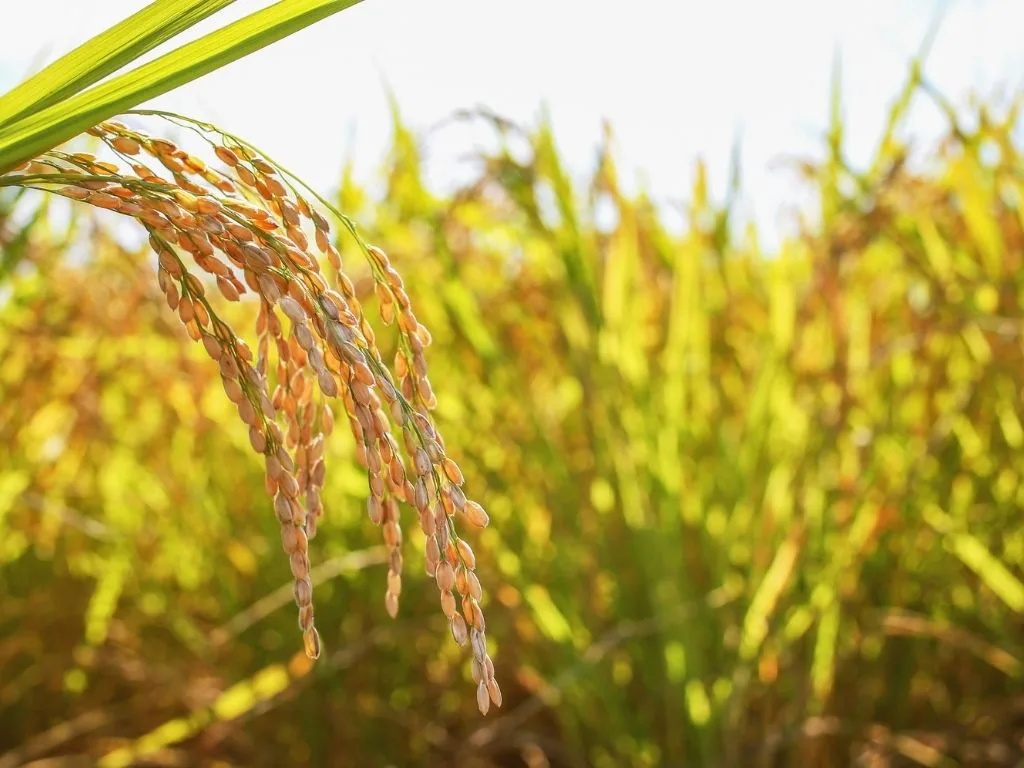
The global rice protein market is undergoing a quiet but powerful shift. Once considered a niche ingredient for specialized sports nutrition and vegan products, rice protein is now gaining widespread attention across categories including beverages, bakery, dairy alternatives, snacks, and clinical nutrition. Behind this surge is a convergence of consumer trends: clean label demand, allergen-free positioning, improved digestibility, plant-based expansion, and the push for sustainable ingredient sourcing.
For food and beverage manufacturers, these changes present both an opportunity and a challenge. Brands need functional and cost-efficient protein sources that maintain taste, texture, and stability—while still meeting evolving regulatory, nutritional, and market expectations. As a trusted supplier of functional ingredients across Asia Pacific, Satoria Nutrisentials provides solutions that support manufacturers at every stage of product development, particularly through complementary ingredients like resistant dextrin Fiberfit™, plant-based sweeteners, and pea protein isolates.
This article explores the rice protein market in depth, outlining its growth drivers, unique advantages, key challenges, applications, and how manufacturers can enhance performance using Satoria Nutrisentials’ ingredient technologies.
Global Demand Shaping the Rice Protein Market
The rice protein market continues to grow at a steady rate, driven by increasing consumer awareness and strategic industry shifts. More manufacturers are actively exploring rice protein as a complementary or alternative ingredient to pea, soy, or whey protein.
Several macro-level factors are shaping this growth:
- Rising demand for plant-based solutions
Plant-based products are no longer a trend—they are becoming a category standard. Consumers who follow flexitarian or vegan lifestyles expect protein-rich options that use natural, familiar ingredients. Rice protein meets clean-label expectations while offering a versatile amino acid profile. - Increasing allergies and intolerances
Soy and dairy allergies are among the most common globally. Rice protein is inherently hypoallergenic, making it suitable for infant nutrition, clinical nutrition, and sensitive consumer segments. - Growth of sports and performance nutrition
Rice protein has gained traction among athletes for its fast absorption rate and high digestibility. This category continues to expand into ready-to-drink (RTD) beverages, functional bars, and fortified snacks. - Clean-label and minimal processing
Manufacturers are increasingly required to simplify ingredient lists. Rice protein is perceived as minimally processed, naturally derived, and transparent in origin—supporting clean-label claims. - Sustainability-driven sourcing
Rice is widely cultivated across Asia, reducing transportation emissions and offering a more stable supply chain compared to other protein crops in limited regions.
Together, these factors make rice protein a strategic ingredient for brands that want to meet demand for healthy, allergen-free, and sustainable options.
Advantages of Rice Protein for Food & Beverage Innovation
Rice protein carries several unique advantages that differentiate it from other plant proteins. These benefits drive much of the interest in the rice protein market among manufacturers.
Allergen-Friendly and Safe for Sensitive Consumers
Rice protein is naturally free from major allergens, including:
- Dairy
- Soy
- Gluten
- Nuts
This makes it ideal for infant foods, elderly nutrition, and special medical formulations.
Balanced Digestibility and Absorption
Compared to other plant proteins, rice protein has a high digestibility rate—making it easier on the stomach and more suitable for long-term consumption.
Stability in Formulation
Rice protein maintains stability in various food processing conditions, including:
- High heat
- Shear mixing
- pH changes
- Shelf-stable applications
This stability reduces formulation risk and supports consistent product texture.
Neutral Taste Profile
Unlike soy or pea protein, rice protein carries a milder, more neutral flavor. This reduces the need for masking agents and allows manufacturers to maintain clean and simple formulations.
Plant-Based Complete Nutrition
While traditionally considered low in lysine, rice protein performs well when blended with complementary proteins. Many manufacturers combine rice protein with pea protein to create a complete amino acid profile—an approach also supported by Satoria Nutrisentials’ portfolio.
Key Challenges in the Rice Protein Market and How to Overcome Them
For all its advantages, rice protein presents challenges that manufacturers must manage strategically.
Fluctuating Protein Quality and Supply
The quality of rice protein can vary depending on:
- Rice origin
- Processing technology
- Extraction methods
- Supplier consistency
Premium-quality suppliers like Satoria Nutrisentials help mitigate this risk by ensuring standardized specifications and technical support during formulation.
Solubility Issues in Beverages
Rice protein is less soluble compared to whey or soy, particularly in RTD formats. It may cause sedimentation, viscosity problems, or chalkiness.
A recommended solution is pairing rice protein with Fiberfit™ resistant dextrin to achieve:
- Improved mouthfeel
- Better suspension stability
- Smoother texture
- Reduced grittiness
This is particularly effective in low/no-sugar beverage formulations.
Amino Acid Balance
Rice protein tends to be lower in lysine, which can affect the nutritional completeness of certain formulations. Many manufacturers resolve this by blending rice protein with:
- Pea protein
- Chickpea protein
- Plant amino acids
Satoria Nutrisentials’ pea protein options complement rice protein perfectly in bakery, dairy alternatives, and performance nutrition.
Rice Protein Market Applications Across Product Categories
The versatility of rice protein is one of the primary reasons for its growing popularity. Below are the most common and high-growth applications.
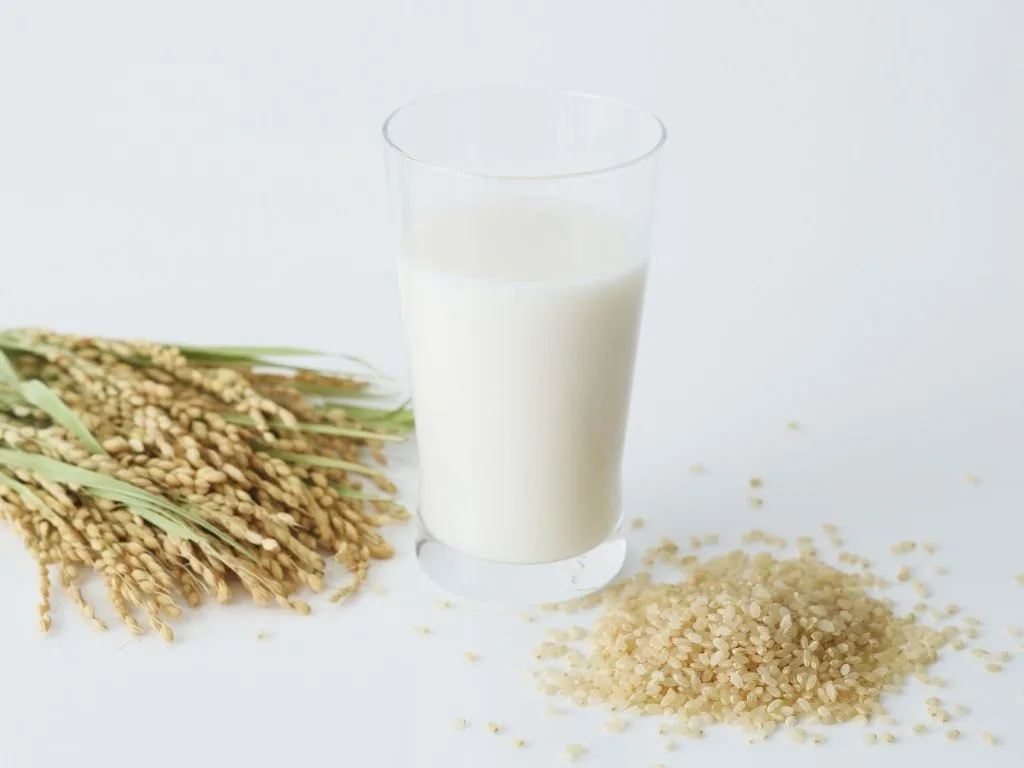
1. Beverages and RTD Products
Rice protein can be used in:
- Functional beverages
- Plant-based milk
- High-protein shakes
- Sports hydration blends
However, beverage developers often need stabilizing ingredients to maintain clarity, suspension, and mouthfeel. Fiberfit™ resistant dextrin is an excellent pairing because it enhances:
- Smoothness
- Solubility
- Low-calorie content
- Prebiotic fiber claims
This combination supports clean-label, low-sugar beverage innovation.
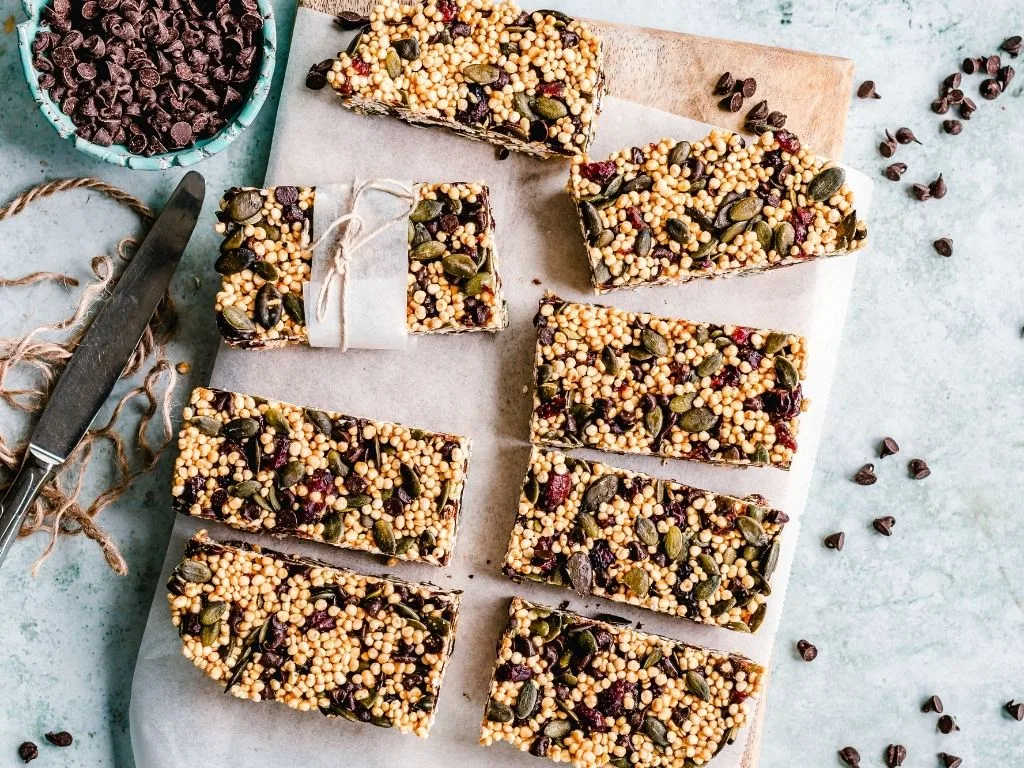
2. Sports and Performance Nutrition
Rice protein is especially popular in:
- Protein powders
- Energy bars
- Post-workout formulations
Its fast absorption and neutral flavor help reduce formulation complexity, particularly when masking strong plant flavors.

3. Dairy Alternatives
The growth of dairy-free products has opened the door to innovative applications, such as:
- Rice-protein yogurt
- Cheese alternatives
- Dairy-free creamers
- Ice cream bases
Pairing rice protein with soluble fiber helps stabilize texture and avoid separation.
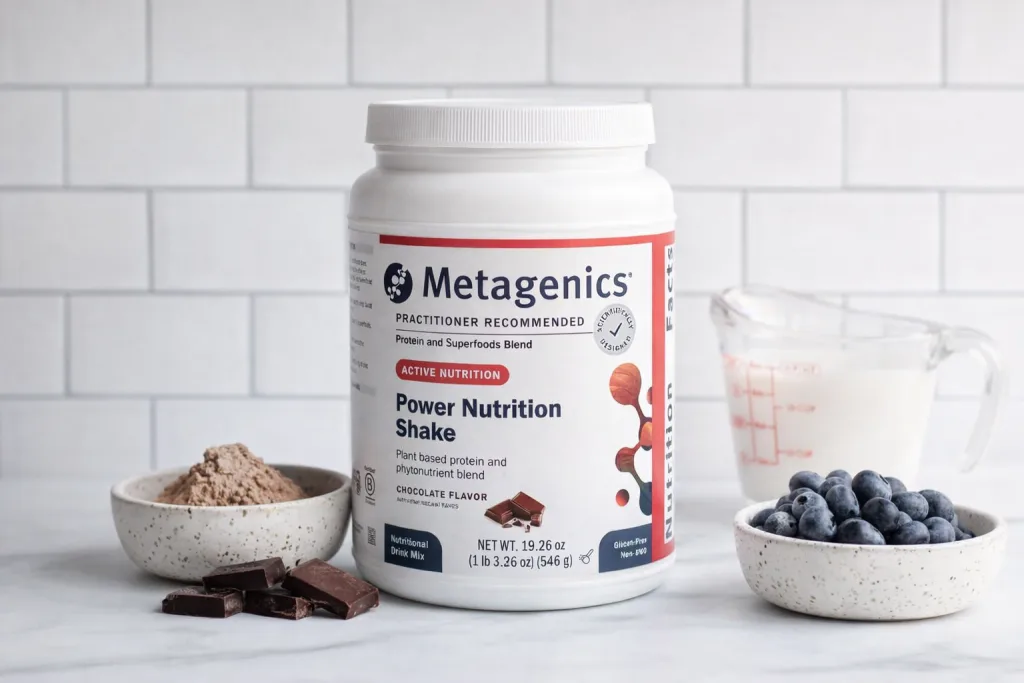
4. Specialized Nutrition
This includes formulations for:
- Children
- Elderly consumers
- Patients with digestion issues
- Clinical nutrition beverages
Because rice protein is hypoallergenic, it is widely accepted for medical and institutional nutrition applications.
Market Trends Influencing the Future of Rice Protein
To understand where the rice protein market is heading, it’s important to look at emerging shifts in consumer and manufacturer behavior.
Clean-Label Momentum
Consumers expect ingredient transparency, and rice protein aligns naturally with:
- Organic
- Non-GMO
- Minimal processing
- Chemical-free extraction
This positions rice protein as a premium option.
Low/No-Sugar Product Growth
As sugar reduction becomes a global priority, manufacturers can combine rice protein with:
- Plant-based sweeteners
- Resistant dextrin
- Natural flavor systems
Satoria Nutrisentials supports brands needing to reformulate products for improved nutrition profiles without compromising taste.
Asia Pacific Supply Chain Strength
Asia Pacific is a major rice-growing region, giving manufacturers access to stable sourcing. This reduces raw material volatility and supports long-term production planning.
Blended Plant Proteins on the Rise
The future will likely include hybrid plant protein systems, where rice protein is blended with pea or other plant sources to achieve improved nutritional and functional performance.
How Satoria Nutrisentials Enhances Rice Protein Formulation Success
While Satoria Nutrisentials does not currently list rice protein as a standalone ingredient, it plays an important role in helping manufacturers optimize rice protein-based products through a complementary ingredient portfolio.
Fiberfit™ Resistant Dextrin
Supports rice protein formulations by improving:
- Suspension and solubilit
- Texture and mouthfeel
- Clean-label fiber claims
- Low-sugar stability
Pea Protein
Pairs perfectly with rice protein to deliver a complete amino acid profile. It also enhances:
- Emulsification
- Foam stability
- Protein density
- Nutritional value
SweetSentials™ Sweetener Blends
Offers a natural sweetness solution for low-sugar and sugar-free products containing rice protein. Key benefits include:
- Clean flavor
- Lower caloric impact
- Natural taste profile
- Stable sweetness under processing conditions
B2B Technical Support
Satoria Nutrisentials collaborates closely with manufacturers through:
- Formulation testing
- Ingredient selection guidance
- Reformulation support
- Stability optimization
- Regulatory compliance
This makes Satoria Nutrisentials a valuable development partner for brands designing next-generation rice protein products.
Ready to Elevate Your Rice Protein Formulations?
If your brand is exploring rice protein market opportunities or planning to reformulate existing products, partnering with a specialized ingredient supplier can significantly accelerate innovation.
Satoria Nutrisentials supports manufacturers with high-quality ingredients designed to enhance performance, stability, taste, and nutritional value. Whether you are developing beverage systems, plant-based foods, functional bakery items, or low-sugar formulations, our team can assist in delivering scalable and commercially viable solutions.
Reference
- Grand View Research. (2024). Rice Protein Market Size Report. https://www.grandviewresearch.com/industry-analysis/rice-protein-market
- Mordor Intelligence. (2024). Global Rice Protein Market Analysis. https://www.mordorintelligence.com/industry-reports/rice-protein-market
- Allied Market Research. (2024). Rice Protein Market Outlook. https://www.alliedmarketresearch.com/rice-protein-market-A06033
- Food Ingredients First. (2023). Trends in Plant Protein Innovation. https://www.foodingredientsfirst.com
- Nutrition Insight. (2023). Consumer Shifts Toward Clean Label & Plant Protein. https://www.nutritioninsight.com
Featured News
Category
Get a Promo and Keep Updated