
Rice Protein Isolate for Non-Dairy Sports Recovery RTD Shakes: A Formulator’s Guide
Soluble Corn Fibre Alternative from Tapioca: A Clean-Label Solution for Modern Food Manufacturing
April 20, 2026
Resistant Dextrin - Articles
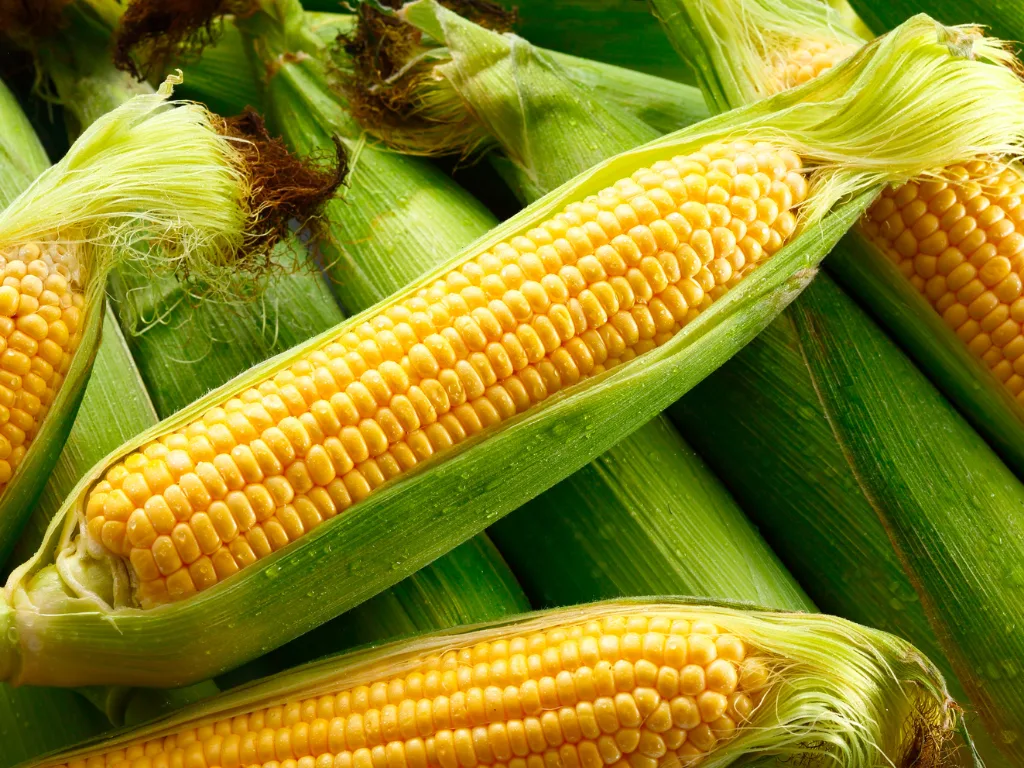
In today’s rapidly evolving food industry, manufacturers are under increasing pressure to deliver healthier, cleaner, and more functional products. One ingredient that has gained widespread attention is soluble corn fiber, valued for its role in sugar reduction and fiber enrichment. However, as consumer demand shifts toward clean-label, non-GMO, and allergen-friendly options, the search for a soluble corn fibre alternative from tapioca has become more relevant than ever.
Tapioca-derived ingredients, particularly tapioca fiber and resistant dextrin, are emerging as versatile, plant-based solutions that align with modern formulation needs. For B2B food and beverage manufacturers, this shift presents both an opportunity and a challenge: how to maintain functionality while meeting evolving consumer expectations.
This article explores how tapioca-based alternatives compare to soluble corn fiber, their functional advantages, and how suppliers like Satoria Nutrisentials can support scalable, high-performance formulations.
Understanding Soluble Corn Fiber in Food Applications
Soluble corn fiber is widely used in the food industry due to its multifunctionality. It is typically produced through enzymatic or chemical processing of corn starch, resulting in a digestion-resistant carbohydrate that functions as a dietary fiber.
Key Functional Benefits
Soluble corn fiber is commonly used for:
- Sugar reduction in beverages, snacks, and baked goods
- Fiber fortification without significantly altering taste
- Texture enhancement and bulking
- Calorie reduction in low-sugar formulations
It is also valued for its low glycemic response and digestive tolerance, making it suitable for health-focused products.
Limitations Driving the Need for Alternatives
Despite its benefits, soluble corn fiber presents several challenges:
- Often derived from genetically modified corn
- Increasing consumer skepticism around “corn-based processed ingredients”
- Limited appeal in clean-label formulations
- Regional sourcing and supply chain volatility
As a result, many manufacturers are now exploring a soluble corn fibre alternative from tapioca to better align with clean-label and global sourcing strategies.
Why Tapioca Is Emerging as a Preferred Alternative
Tapioca, derived from cassava root, has long been used in food processing due to its neutral taste and excellent functional properties. Today, tapioca-based fibers are gaining attention as a clean-label, plant-based alternative to corn-derived ingredients.
Clean Label and Consumer Perception
Tapioca is widely perceived as:
- Natural and minimally processed
- Non-GMO by default
- Allergen-free and gluten-free
- Suitable for vegan and plant-based products
These attributes make tapioca an attractive option for brands targeting health-conscious consumers.
Functional Advantages in Formulation
A well-designed soluble corn fibre alternative from tapioca offers:
- Comparable fiber content for nutritional claims
- Neutral flavor profile
- Excellent solubility in beverages and syrups
- Stability across a wide pH and temperature range
This makes tapioca-based ingredients highly adaptable across multiple food categories.
Key Tapioca-Based Ingredients for Fiber Replacement
When considering a tapioca-based solution, manufacturers typically look at two primary ingredient types: tapioca fiber (resistant dextrin) and tapioca syrup solids.
Tapioca Resistant Dextrin
Resistant dextrin derived from tapioca is one of the most promising alternatives to soluble corn fiber. It is produced through controlled hydrolysis and enzymatic treatment of tapioca starch.
Functional Properties
- High solubility and clarity in liquid systems
- Low viscosity, making it ideal for beverages
- Prebiotic benefits supporting gut health
- Heat and acid stability
Applications
Tapioca resistant dextrin can be used in:
- Functional beverages and nutritional drinks
- Protein powders and meal replacements
- Snack bars and baked goods
- Dairy alternatives
For manufacturers looking for a soluble corn fibre alternative from tapioca, resistant dextrin offers a nearly seamless substitution.
Tapioca Syrup Solids
Tapioca syrup solids provide both functional and sensory benefits, especially in reduced-sugar formulations.
Functional Properties
- Mild sweetness with low glycemic impact
- Bulking agent for sugar replacement
- Moisture retention in baked goods
- Improved mouthfeel in low-calorie products
Applications
Common uses include:
- Confectionery and chocolate products
- Granola and snack bars
- Sauces and dressings
- Ready-to-drink beverages
Comparing Tapioca-Based Fiber vs. Soluble Corn Fiber
For manufacturers evaluating alternatives, it’s important to understand how tapioca-based ingredients perform relative to traditional soluble corn fiber.
Side-by-Side Comparison
Source
- Soluble corn fiber: Corn (often GMO)
- Tapioca fiber: Cassava root (non-GMO)
Labeling
- Soluble corn fiber: May be perceived as processed
- Tapioca fiber: Clean-label friendly
Digestive Benefits
- Both offer prebiotic potential, but tapioca resistant dextrin is often better tolerated in higher doses
Flavor Impact
- Both are neutral, but tapioca tends to have a cleaner finish
Application Flexibility
- Comparable across most applications, with tapioca excelling in beverages and clean-label products
Overall, a soluble corn fibre alternative from tapioca delivers equivalent functionality while improving consumer perception and label appeal.
Application Opportunities Across Food Categories
The versatility of tapioca-based fibers makes them suitable for a wide range of product categories.
Functional Beverages
Tapioca resistant dextrin dissolves easily and remains stable, making it ideal for:
- Fiber-enriched drinks
- Low-sugar beverages
- Sports and hydration products
Snack and Nutrition Bars
In bars, tapioca ingredients help:
- Bind ingredients together
- Improve texture and chewiness
- Reduce sugar content
Dairy Alternatives
Plant-based dairy products benefit from:
- Improved mouthfeel
- Stabilization of emulsions
- Fiber enrichment
Bakery and Confectionery
In baked goods, tapioca fiber supports:
- Moisture retention
- Sugar reduction
- Extended shelf life
These applications highlight why many brands are transitioning to a soluble corn fibre alternative from tapioca as part of their product innovation strategy.
Supporting Sugar Reduction and Fiber Enrichment Goals
Global health trends continue to push manufacturers toward sugar reduction and increased fiber intake.
Regulatory and Market Drivers
- Growing demand for low-sugar and high-fiber products
- Government regulations encouraging sugar reduction
- Consumer awareness of gut health and prebiotics
Role of Tapioca-Based Ingredients
Tapioca-derived fibers support these goals by:
- Replacing sugar without compromising taste
- Increasing dietary fiber content
- Enhancing product positioning as “better-for-you”
For brands targeting international markets such as the US, Europe, and Asia-Pacific, using a soluble corn fibre alternative from tapioca can also simplify compliance with clean-label standards.
Why Ingredient Sourcing Matters in B2B Manufacturing
Choosing the right ingredient supplier is just as important as selecting the ingredient itself. Consistency, scalability, and technical support are critical factors for successful product development.
Key Considerations for Manufacturers
- Reliable global supply chain
- Consistent product quality
- Technical formulation support
- Compliance with international food safety standards
How Satoria Nutrisentials Supports Manufacturers
Satoria Nutrisentials offers a portfolio of tapioca-based ingredients designed for modern food applications, including:
- Tapioca resistant dextrin for fiber enrichment
- Tapioca syrup and syrup solids for sugar reduction
- Clean-label solutions aligned with global market trends
With a strong focus on quality, scalability, and innovation, Satoria Nutrisentials helps manufacturers confidently transition to a soluble corn fibre alternative from tapioca.
Future Outlook: The Shift Toward Tapioca-Based Functional Ingredients
As the food industry continues to evolve, tapioca-based ingredients are expected to play a larger role in formulation strategies.
Emerging Trends
- Increased demand for plant-based and allergen-free ingredients
- Growth of functional foods and beverages
- Expansion of clean-label product lines
Innovation Opportunities
Manufacturers can leverage tapioca-based solutions to:
- Develop new product formats
- Reformulate existing products for better nutritional profiles
- Enhance brand positioning in competitive markets
The transition to a soluble corn fibre alternative from tapioca is not just a trend—it is a strategic move toward future-ready food innovation.
Partner with Satoria Nutrisentials for Tapioca-Based Fiber Solutions
For food and beverage manufacturers looking to stay ahead in a competitive market, choosing the right ingredient partner is essential.
Satoria Nutrisentials provides high-quality, scalable, and clean-label tapioca-based ingredients tailored to your formulation needs. Whether you are developing functional beverages, nutrition bars, or reduced-sugar products, our team is ready to support your innovation journey.
Explore our full range of tapioca-derived ingredients and discover how we can help you create better, smarter food products. Visit https://satorianutrisentials.com/ to learn more or request a sample today.
Reference
- AOAC International. (2017). Official Methods of Analysis. Retrieved from https://www.aoac.org
- Food and Agriculture Organization. (2019). Dietary fiber definition and analysis. Retrieved from https://www.fao.org
- Harvard T.H. Chan School of Public Health. (2020). Fiber and health. Retrieved from https://www.hsph.harvard.edu
- International Food Information Council. (2021). Consumer perceptions of clean label ingredients. Retrieved from https://foodinsight.org
- Stephen, A. M., Champ, M. M., Cloran, S. J., et al. (2017). Dietary fibre in Europe: Current state of knowledge. Nutrition Research Reviews. https://doi.org/10.1017/S095442241700004X
- Slavin, J. (2013). Fiber and prebiotics: Mechanisms and health benefits. Nutrients. https://doi.org/10.3390/nu5041417
- US Food and Drug Administration. (2020). Dietary fiber guidance. Retrieved from https://www.fda.gov
- European Food Safety Authority. (2010). Scientific opinion on dietary fiber. Retrieved from https://www.efsa.europa.eu
- Jones, J. M. (2014). CODEX-aligned dietary fiber definitions. Cereal Foods World. https://doi.org/10.1094/CFW-59-1-0008
- Tapioca starch and derivatives in food applications. (2022). International Journal of Food Science. Retrieved from https://www.hindawi.com
Featured News
Category
Get a Promo and Keep Updated