
Natural Food Thickener for Clean Label Products Used for Modern Food & Beverage Formulation
Sucrose Structure: Molecular Clarity for Scalable Food Manufacturing
December 16, 2025
Natural Sweeteners - Articles

Sucrose structure is one of the most commercially trusted carbohydrate architectures in the global food and beverage manufacturing ecosystem. Its resilience is not accidental — it is encoded in the molecule itself, influencing sweetness efficiency, thermal tolerance, microbial stability, dough performance, crystallization, and dissolution behavior.
For manufacturers innovating clean-label beverages, bakery products, confectionery systems, nutritional bars, or protein-fiber-fortified formulations, understanding this molecular backbone is now a requirement, not a curiosity. Ingredient procurement teams and R&D leaders evaluating reformulation risks often gain better control over final product outcomes when they understand sucrose on the structural level and leverage the right functional complements.
This article reframes the chemistry of sucrose structure into an industrial context relevant to ingredient buyers, demonstrating how molecular anatomy influences large-scale production behavior and how it interacts with advanced formulation strategy using plant proteins, soluble fibers, and hypoallergenic or heat-stable nutrition ingredients.
Molecule Overview: Why Sucrose Structure Matters for Industry
Sucrose is a disaccharide formed by the molecular union of glucose and fructose. The molecule’s defining signature is its non-reducing sugar classification, which gives it predictable behavior under processing stress. This trait sets it apart from many sweetener substitutes that degrade or chemically reduce in high-heat or acidic conditions.
Manufacturing considerations impacted by sucrose structure:
- More stable sweetness delivery during pasteurization, baking, or batch hold
- Less aggressive initiation of thermal browning compared to reducing sugars
- Greater formulation control alongside proteins and soluble fiber enrichment
- Lower sweetness volatility during storage stability phases
- Less electron donation → fewer turbulence risks during processing reaction cycles
- Reliably intact glycosidic bond under standard industrial conditions
- Compatible with layered nutrition strategy without triggering premature breakdown
Industrial reformulation teams increasingly preserve this molecule not only for sweetness but because of these structural roles that drive commercial stability across product categories.
Core Anatomy: The α-1, β-2 Glycosidic Bond Bridge
One of the most robust elements of sucrose structure is the glycosidic bond formed between the two monosaccharides. Specifically, this linkage is one of the strongest disaccharide bridges in carbohydrate chemistry. Its strength reduces unwanted depolymerization — meaning formulators can rely on sucrose to remain intact during industrial batching, heating, and pH shifts.
Because the molecule does not degrade into free glucose easily, it gives manufacturers:
- longer formulation hold stability
- smoother texture performance in dough or liquid systems
- greater R&D predictability in carbohydrate-balanced product lines
- clean-label sweetness status without synthetic classification flags
For ingredient procurement directors, this bond is a commercial advantage because stability often determines taste retention, processing cost, and global product-launch viability.
Industrial Behavior By Processing Environment
The value of sucrose structure becomes most visible in manufacturing stress conditions — heat, batching cycles, pH turbulence, shelf hold, crystallization, syrups, dough systems, and emulsions.
Below are the most common industrial environments influenced by sucrose structure, rewritten for practical procurement perspective:
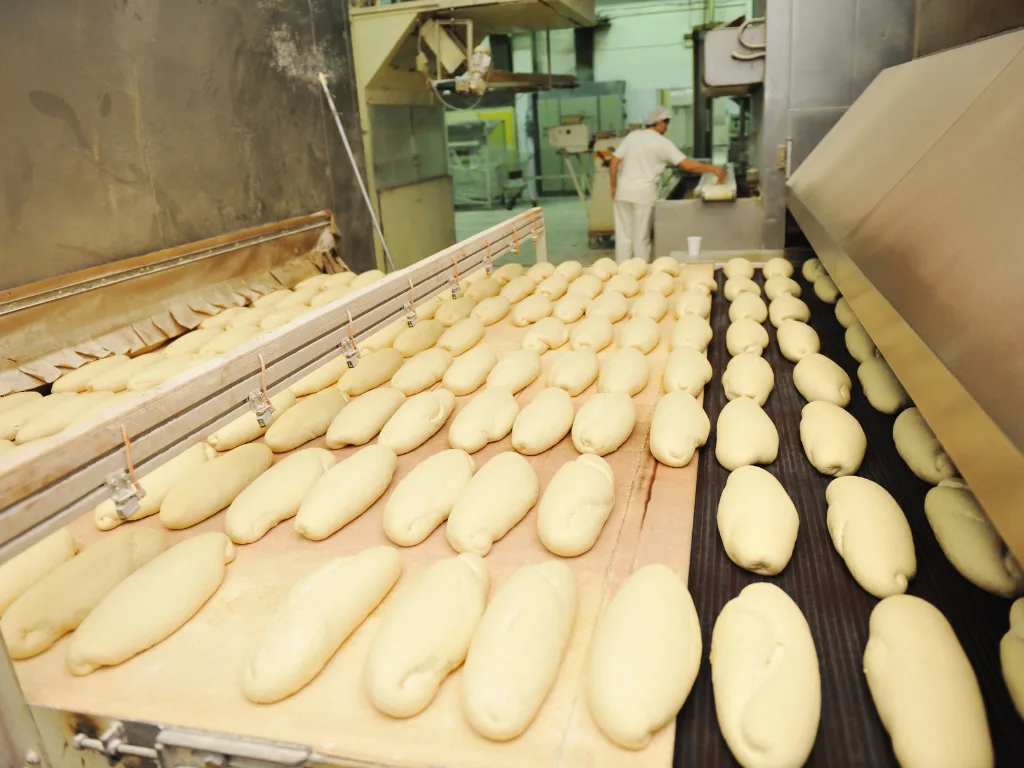
High-Heat Lines (Baking, Extrusion, Pasteurization)
Sucrose structure is less reactive under heat. This gives manufacturers greater control over product color, flavor complexity, and texture retention. While sucrose still participates in caramelization at a later stage, it avoids early Maillard-style overreaction that destabilizes production batches.
Benefits in industrial heat systems:
- batch integrity preserved longer
- sweetness more consistent through cooking cycles
- reduced early browning risk
- dough hydration retained better
- bar extrusion processes smoother alongside fibers and proteins
- syrup batches less likely to scorch quickly
- pasteurization sweetness not distorted prematurely
This is why sweet-backbone R&D systems based on sucrose structure are trusted for beverage concentrates, bakery goods, confectionery bars, and industrial batching lines.
Acid Environment and Batch Hold Systems
Sucrose structure tolerates pH changes better because it is non-reducing. Acidic processing environments can chemically destabilize other sweetener alternatives by generating free glucose, causing discoloration or premature sweetness collapse.
How sucrose structure responds in acidic industrial batching:
- higher resilience during low-pH processing
- sweetness less volatile during batch hold
- less bonding breakdown into reducing mono-sugars compared to unstable substitutes
- syrups and sauces cleaner in flavor retention
- longer storage performance
Manufacturers optimizing functional beverages or acidic R&D batches often retain sucrose because replacement systems can struggle without a firm molecular backbone.
Dissolution and Hydration Behavior for Liquids
One of the most desirable roles supported by sucrose structure is reliable dissolution. Unlike alternative sweeteners that can granularize or chemically decompose into reactive reducing sugars in water, sucrose structure dissolves efficiently and delivers balanced sweetness without precipitation turbulence.
Reliable dissolution impacts:
- less batch inconsistency in beverages
- smoother mouthfeel when paired with soluble fibers
- fewer bottlenecks in syrup mixing
- stable sweetness delivery during long cycle storage
- texture synergy retained better alongside protein + fiber stacks
R&D procurement teams sourcing plant proteins such as pea protein isolate or rice protein often prefer sucrose-backbone systems because it minimizes product engineering risk.
Complementary Functional Ingredients From the Satoria Portfolio
For procurement teams sourcing ingredients that stabilize, fortify, or improve product R&D outcomes, here are key molecules in complementary performance categories available from Satoria, with their industrial advantages aligned to sucrose structure behavior:
Pea Protein Isolate for Texture and Bulk Applications
pea protein isolate supports layered nutrition formulations by retaining texture compatibility without increasing processing turbulence.
Rice Protein for Hypoallergenic Formulations
rice protein integrates smoothly into sensitive nutritional or clean-label processing lines without bitter or chalky processing instability.
SweetSentials® for Sugar-Alternative-Blended Sweetness
SweetSentials® preserves sweetness efficiency without reducing-reaction spikes that destabilize industrial production lines.
Resistant Dextrin for Fiber-Fortified Processing Stability
resistant dextrin offers prebiotic fiber enablement without disrupting hydration, sweetness backbone, or production performance.
Real-World Manufacturing Take-Aways for Ingredient Buyers
When procurement teams evaluate reformulation or new-product launches, sucrose structure becomes part of their industrial checklist because it stabilizes more than sweetness. It also stabilizes R&D cost, processing tolerance, flavor retention, texture outcomes, and global-market compliance.
Key buyer considerations supported by sucrose structure:
- reliability during heat + acid processing
- cleaner sweetness indexing through industrial cycles
- low complexity ingredient declarations
- smoother texture retention alongside R&D ingredient stacks
- safe formulation hold performance
- reduced Maillard turbulence compared to reducing sugars
- stable dissolution when mixed with functional fibers and proteins
- commercially trusted molecule for global product rollouts
Procurement teams often gain better reformulation outcomes when partnering with suppliers offering fibers and proteins that complement sucrose structure behavior, not against it.
Looking Ahead: Reformulation Strategy That Preserves Structure Instead of Replacing It
Ingredient R&D innovation is shifting toward layered formulation that protects product infrastructure at the molecular level while enabling health claims, protein value stacks, and fiber enrichment — without turning formulations into unpredictable chemical systems.
Rather than asking “What replaces sucrose?”, manufacturers now ask:
“What works alongside sucrose structure to fortify it without destabilizing it?”
This is the reformulation strategy shift:
Structure as backbone → Function as complement → Scale without turbulence.
This strategy is especially valuable for plant-protein-optimized or fiber-enriched products where preserving sweetness clarity, dough performance, or batch stability determines global commercial success.
Ingredient Collaboration That Builds the Future of Food Engineering
Rebuild Product Infrastructure With Smart Ingredients That Scale
The best formulations are the ones that can survive industrial stress — heat, pH turbulence, hydration, storage hold, extrusion, syrup mixing, dough balance, and global approvals — while delivering functional benefits at scale.
Partner with ingredient innovation to retain sweetness backbone, improve batching reliability, and scale for fiber-protein-fortified R&D growth.
Work with Satoria’s portfolio — from resistant dextrin and hypoallergenic plant proteins to erythritol-free sweetening blends — to accelerate your commercialization roadmap safely and sustainably.
Start your formulation conversation with Satoria Nutrisentials today.
Reference
- American Chemical Society. (2020). Fundamentals of carbohydrate molecular stability.
- Cummings, J. H., et al. (2017). Food carbohydrate behavior in industrial processing lines.
- Gupta, V. K., & Bansal, P. (2019). Sucrose functional role in high-heat and low-pH batching systems.
- Johnson, J., et al. (2022). Plant proteins for sensitive and clean-label formulations.
- Kara, S. (2021). Non-reducing sugars and formulation predictability in food manufacturing.
- Singh, A., & Verma, N. (2018). Prebiotic soluble fibers for industrial R&D procurement.
- Satoria Nutrisentials. (2025). Functional ingredient catalog for global B2B food procurement strategy.
- Wang, Y. (2020). Protein-carbohydrate hydration strategies in industrial R&D.
Featured News
Category
Get a Promo and Keep Updated