
Tapioca Syrup Benefits in Food Manufacturing: Functional Advantages for Modern Clean-Label Formulations
Tapioca Syrup Benefits in Food Manufacturing: Functional Advantages for Modern Clean-Label Formulations
March 26, 2026
Natural Sweeteners - Articles
Food manufacturers today face a complex challenge: creating products that deliver excellent taste, stable texture, and long shelf life while also meeting growing demand for clean-label ingredients. In response, many formulators are rethinking traditional sweeteners and functional carbohydrates used in their products.
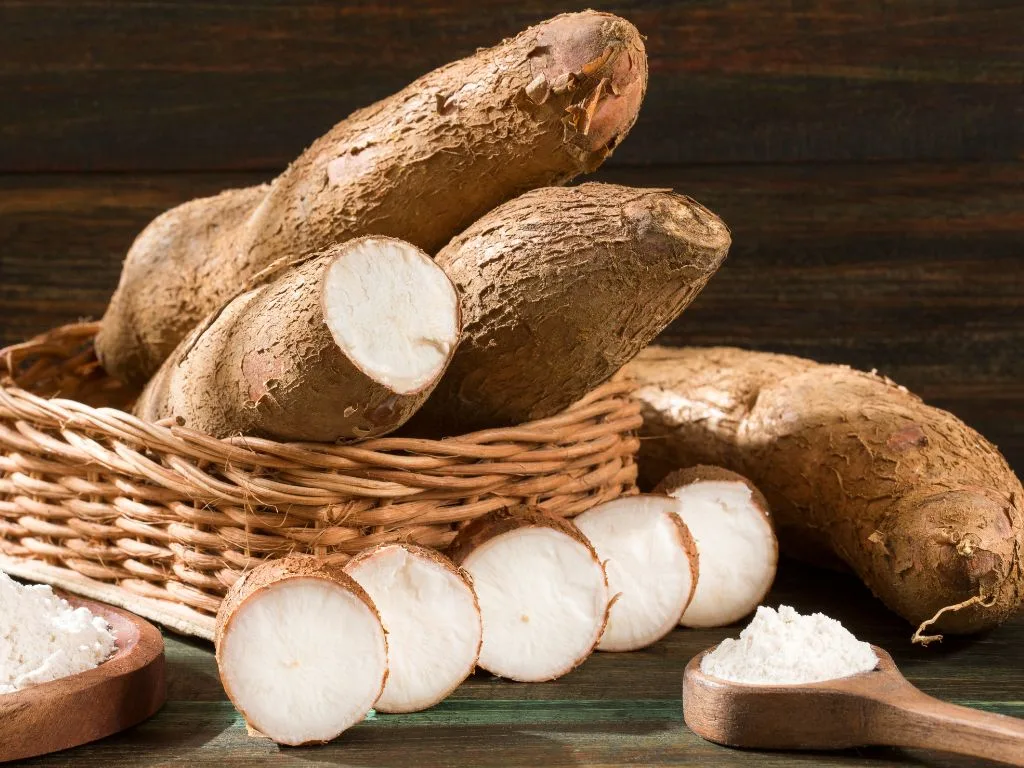
One ingredient that has gained significant attention in this space is tapioca syrup. Derived from cassava starch, this versatile syrup provides more than sweetness—it contributes essential functional properties such as binding, moisture retention, improved mouthfeel, and extended shelf stability.
Understanding the tapioca syrup benefits in food manufacturing helps product developers design formulations that are both consumer-friendly and technically reliable. From nutrition bars to plant-based beverages, this ingredient plays a valuable role in modern food systems.
This article explores how tapioca syrup works, its functional advantages in different product categories, and how it can be strategically combined with other ingredients such as resistant dextrin, rice protein, and maltodextrins to support innovative formulations.
What Is Tapioca Syrup and Why Manufacturers Use It
Tapioca syrup is a liquid sweetener produced through the enzymatic conversion of cassava starch into shorter carbohydrate chains and sugars. The resulting syrup has a mild sweetness, smooth texture, and neutral flavor profile, making it highly adaptable across many food applications.
Cassava, the source of tapioca starch, is widely cultivated in tropical regions and has become an important raw material for food ingredients due to its reliability and functional starch properties.
In food processing, tapioca syrup is used not only as a sweetener but also as a multifunctional ingredient. Manufacturers rely on it to improve product structure, prevent crystallization, and stabilize texture during storage.
Key characteristics that make tapioca syrup attractive for formulation include:
- Neutral taste that does not overpower other ingredients
- Smooth viscosity for easier processing
- Compatibility with plant-based and allergen-free formulations
- Clean-label positioning compared to heavily refined alternatives
These qualities make tapioca syrup particularly useful for brands developing natural, gluten-free, and non-GMO food products.
Core Tapioca Syrup Benefits in Food Manufacturing
One of the reasons tapioca syrup continues to gain popularity among food manufacturers is its ability to perform multiple functional roles simultaneously. Rather than serving only as a sweetener, it contributes to the physical structure and stability of finished products.
Binding and Structural Support
Binding is one of the most important functions of tapioca syrup in food manufacturing. In many products—particularly snack bars, granola clusters, and confectionery—ingredients must remain cohesive without becoming overly hard or brittle.
Tapioca syrup provides a sticky matrix that holds ingredients together while maintaining flexibility. This property is especially valuable in:
- Protein bars
- Nutrition bars
- Granola clusters
- Cereal bars
In these applications, tapioca syrup helps create a stable internal structure while still allowing the product to remain chewy and easy to bite. The syrup forms a film around ingredients, helping maintain integrity during packaging, transport, and storage.
When combined with plant proteins such as rice protein isolate or pea protein, the binding capability becomes even more important. These proteins can sometimes create dry textures if not balanced with appropriate carbohydrates. Tapioca syrup helps mitigate this by improving cohesiveness and mouthfeel.
Moisture Retention and Humectancy
Another critical functional property of tapioca syrup is its ability to retain moisture.
Food scientists often refer to ingredients with this capability as humectants—compounds that attract and hold water within a food system. Humectants help stabilize moisture levels and prevent products from drying out during storage.
Tapioca syrup exhibits hygroscopic behavior, meaning it naturally attracts water molecules. This characteristic plays a major role in maintaining softness in products such as:
- Cakes
- Cookies
- Snack bars
- Soft baked goods
Because the syrup helps control water activity, it also contributes to a more consistent texture throughout the product’s shelf life. In practical terms, this means consumers experience a product that remains soft and fresh even weeks after production.
Moisture retention is particularly important for high-fiber foods. Ingredients like resistant dextrin, which Satoria Nutrisentials offers as a soluble dietary fiber, can sometimes absorb water and alter texture. Tapioca syrup helps maintain balance by stabilizing moisture levels in these formulations.
Shelf Life Extension and Stability
Shelf life is a major concern for manufacturers, especially for packaged foods that must maintain quality during transportation and retail storage.
Tapioca syrup contributes to shelf stability in several ways:
- Reducing crystallization in sugar systems
- Maintaining moisture balance to prevent drying
- Improving texture consistency over time
In bakery applications, for example, tapioca syrup helps preserve softness while preventing sugar crystallization that could cause unwanted graininess. In confectionery and snack bars, it prevents products from becoming brittle during storage.
Another advantage comes from tapioca syrup’s relatively low protein content compared with grain-based syrups. This property helps reduce certain degradation reactions, contributing to improved shelf stability in finished products.
For food manufacturers, longer shelf life means:
- Reduced product waste
- More flexible distribution logistics
- Improved consumer satisfaction
These operational advantages are often just as important as the ingredient’s functional performance.
Texture, Mouthfeel, and Sensory Quality
Texture is one of the most critical factors determining consumer acceptance. Even a nutritionally superior product can fail if the mouthfeel is unpleasant.
Tapioca syrup enhances sensory quality by contributing smooth viscosity and balanced chewiness. In products like energy bars or protein snacks, it helps create a soft bite without excessive stickiness.
Some of the key texture improvements include:
- Enhanced chewiness in snack bars
- Smooth body in beverages
- Creamier mouthfeel in plant-based dairy alternatives
Because tapioca syrup has a neutral flavor and color, it allows the natural taste of other ingredients to remain dominant.
This neutrality is especially valuable in clean-label formulations where artificial flavor masking agents are avoided.
Clean Label Advantages of Tapioca Syrup
Clean label has become one of the most influential trends in the food industry. Consumers increasingly prefer products with ingredients they recognize and perceive as natural.
Tapioca syrup supports this movement because it is:
- Plant-based
- Gluten-free
- Non-GMO friendly
- Free from major allergens
For manufacturers developing products for health-conscious consumers, these characteristics make tapioca syrup a strong alternative to ingredients such as high-fructose corn syrup or synthetic sweeteners.
The ability to simplify ingredient lists is a significant marketing advantage. Rather than listing multiple additives for texture, sweetness, and moisture control, formulators can often achieve similar functionality using tapioca-derived ingredients.
This aligns well with the broader shift toward natural functional ingredients in modern food production.
Key Applications Across Food Categories
Because of its multifunctional nature, tapioca syrup appears in many types of food formulations. Each application leverages different aspects of the ingredient’s functional profile.
Bakery Products
In baked goods, tapioca syrup contributes to:
- Moisture retention
- Improved browning
- Soft crumb structure
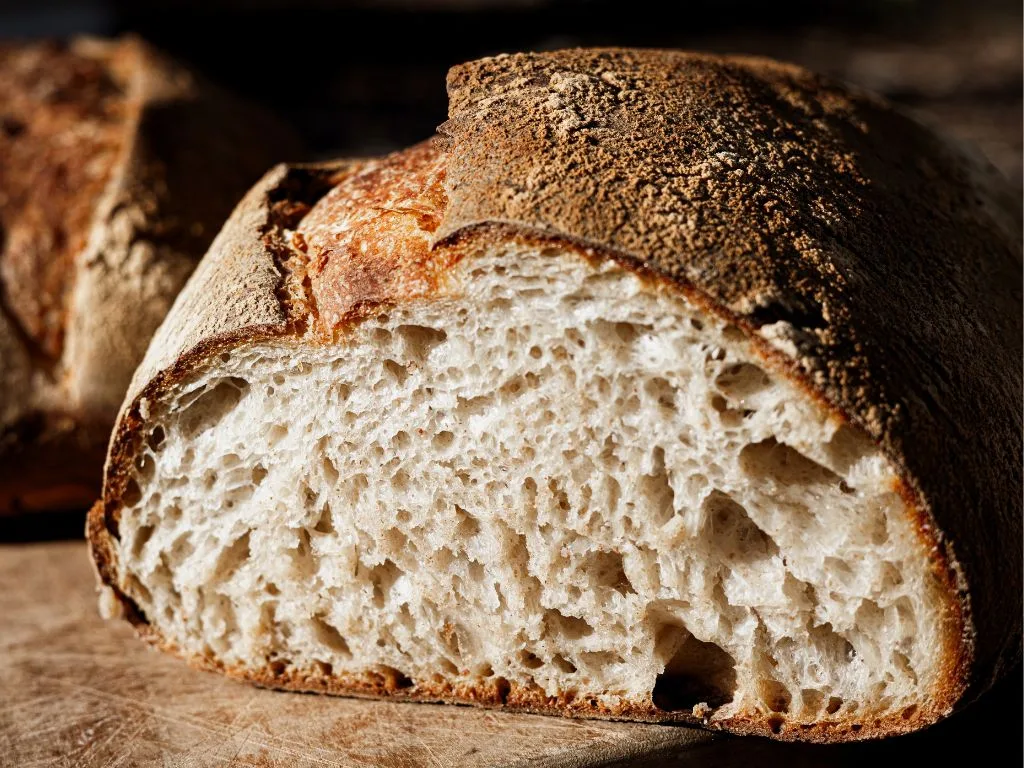
Bread, cakes, and pastries benefit from its humectant properties, which help maintain freshness after baking.
Nutrition and Protein Bars
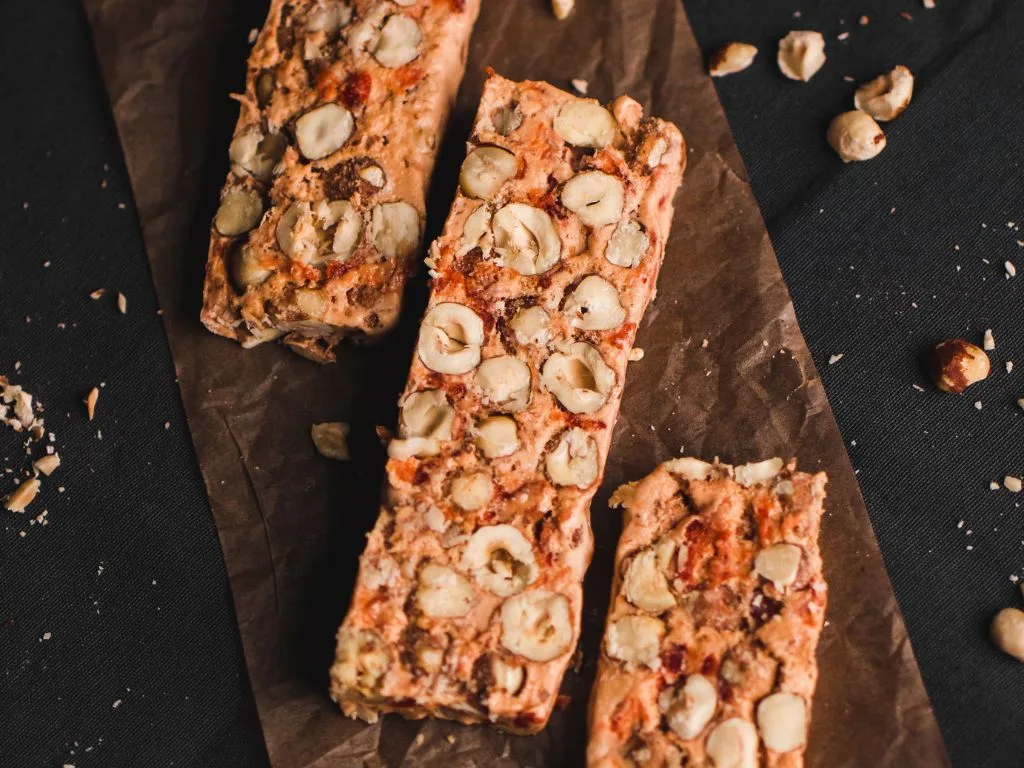
Snack bars often contain a complex mix of proteins, fibers, grains, and sweeteners. Tapioca syrup acts as the structural backbone that binds these ingredients together.
When used alongside rice protein isolate or pea protein, it helps create a cohesive texture while preventing dryness.
Plant-Based Beverages
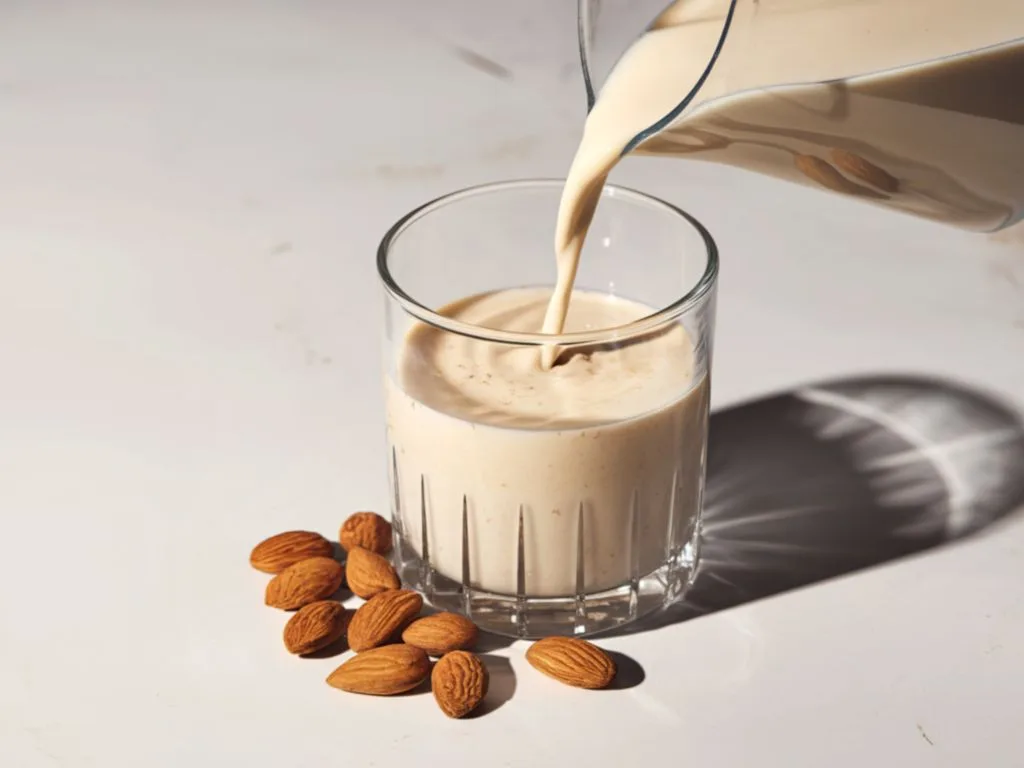
Plant-based drinks require ingredients that dissolve easily and maintain consistent mouthfeel.
Tapioca syrup provides light sweetness and smooth body without overpowering flavors. It also works well with other functional ingredients such as resistant dextrin to create beverages with added fiber benefits.
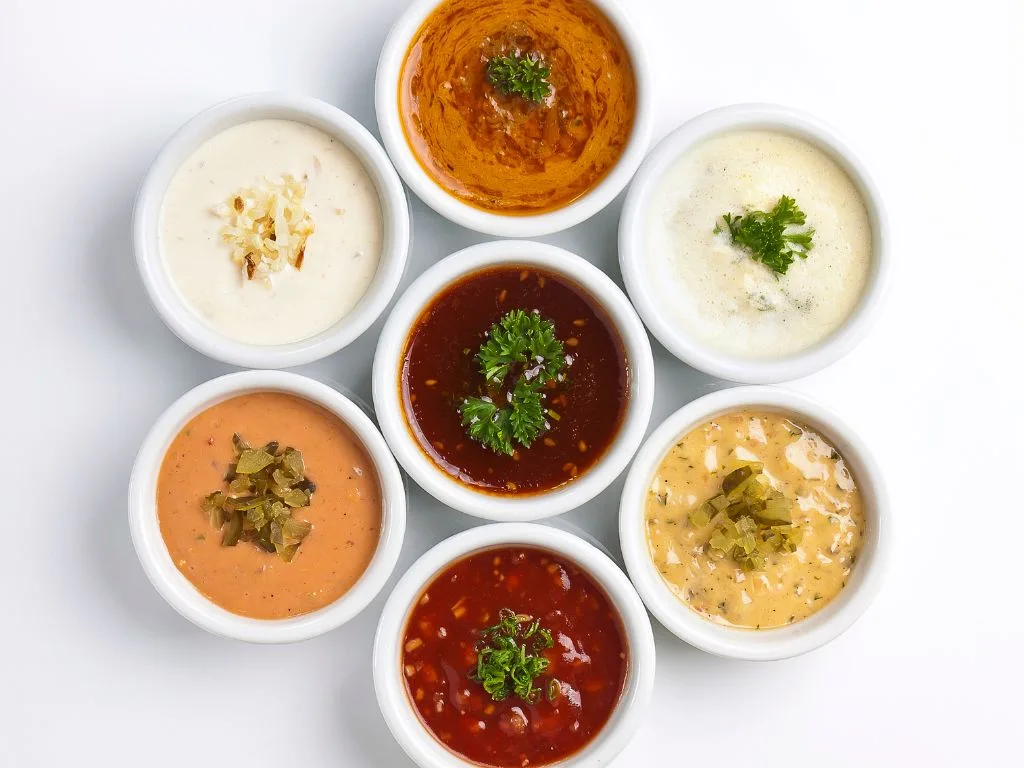
Sauces and Condiments
In sauces, marinades, and dressings, tapioca syrup contributes viscosity and balanced sweetness. Its smooth texture improves pourability while helping stabilize emulsions.
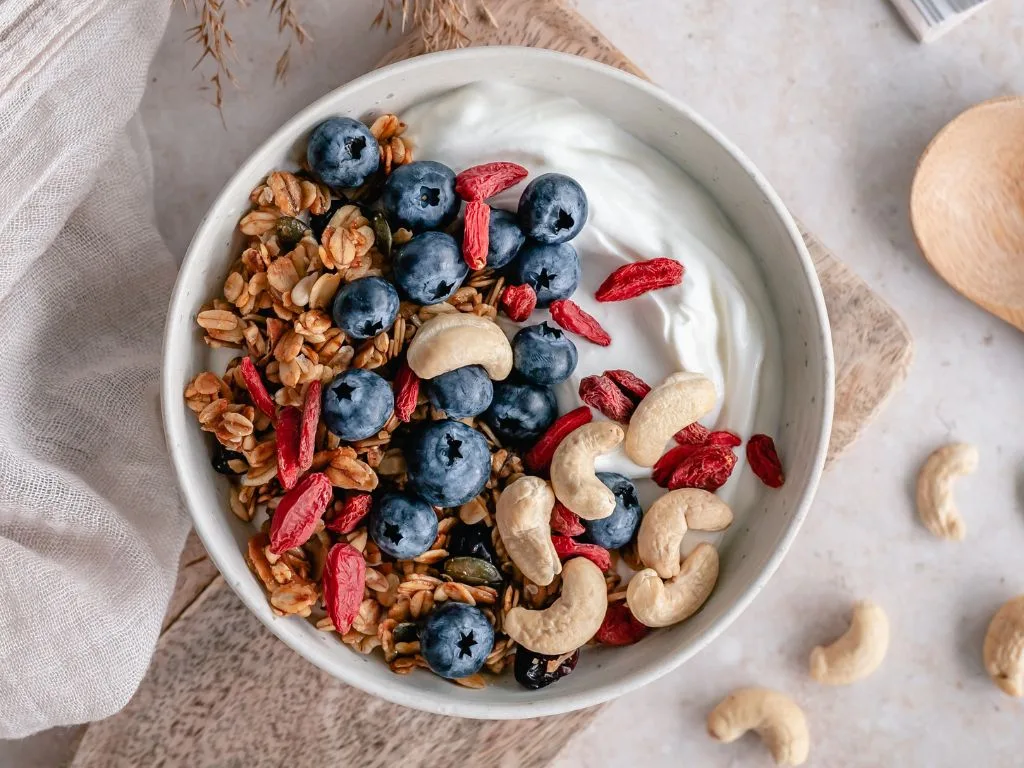
Dairy and Dairy Alternatives
Yogurt, plant-based milk, and frozen desserts benefit from the syrup’s texture-enhancing properties. It improves creaminess while supporting stable consistency during storage.
Combining Tapioca Syrup with Other Functional Ingredients
Modern food formulation often requires a combination of ingredients to achieve optimal performance.
Tapioca syrup works particularly well alongside several functional ingredients supplied by Satoria Nutrisentials.
Resistant Dextrin
Resistant dextrin provides soluble dietary fiber and digestive health benefits. When paired with tapioca syrup, manufacturers can create high-fiber snack bars and beverages with balanced texture.
Rice Protein Isolate
Rice protein offers a hypoallergenic plant protein option widely used in dairy alternatives and nutrition products. Tapioca syrup helps counteract dryness and improves mouthfeel in these formulations.
Rice Maltodextrin and Pea Maltodextrin
Maltodextrins serve as carriers, bulking agents, and energy sources. Combining these with tapioca syrup allows manufacturers to fine-tune sweetness, viscosity, and processing stability.
Why Tapioca Syrup Is Gaining Popularity in Modern Food Manufacturing
Several industry trends explain the growing adoption of tapioca syrup.
First, consumers increasingly demand natural and recognizable ingredients. Tapioca syrup fits well into these expectations due to its plant-derived origin.
Second, manufacturers are seeking ingredients that perform multiple functions. Tapioca syrup’s ability to provide sweetness, binding, and moisture control makes it highly efficient in formulation.
Third, the rise of functional foods and plant-based products requires ingredients that work well with proteins and fibers. Tapioca syrup supports these formulations by improving texture and stability.
Finally, the global shift toward clean-label reformulation has encouraged companies to move away from heavily processed additives.
Together, these factors make tapioca syrup an ingredient with strong long-term relevance in the food industry.
Partnering with Satoria Nutrisentials for Functional Ingredient Solutions
Food innovation requires more than just individual ingredients—it requires reliable partners who understand formulation challenges.
Satoria Nutrisentials provides a comprehensive portfolio of functional ingredients designed to support modern food manufacturing. From tapioca syrup and rice syrup to plant proteins and resistant dextrin, the company helps manufacturers develop products that meet evolving consumer expectations.
By combining these ingredients strategically, food developers can create products that deliver:
- Clean label appeal
- Improved texture and stability
- Enhanced nutritional value
- Scalable manufacturing performance
If you are developing new products or reformulating existing ones, working with experienced ingredient partners can significantly accelerate the innovation process.
Explore Functional Ingredients for Next-Generation Food Products
Manufacturers looking to improve product performance while maintaining clean labels can benefit from exploring Satoria Nutrisentials’ ingredient portfolio.
Whether you are developing high-protein snacks, functional beverages, plant-based dairy alternatives, or nutrition bars, ingredients such as tapioca syrup, resistant dextrin, rice protein isolate, and maltodextrins can help you achieve the right balance of taste, texture, and stability.
Visit to learn more about ingredient solutions designed for modern food and beverage manufacturing.
Reference
- Chauhan, K. (2024). Clean label alternatives for food preservation. Heliyon. https://www.sciencedirect.com/science/article/pii/S2405844024118464
- Custom Market Insights. (2026). Tapioca syrup market insights and applications in bakery and beverages. https://www.custommarketinsights.com/report/tapioca-syrup-market/
- GlucoChem. (2026). Tapioca syrup in modern functional foods. https://glucochem.com/blog/tapioca-syrup-modern-functional-foods/
- Sweet Additions. (2025). Tapioca syrups and powders in food manufacturing. https://www.sweetadditions.com/blog-posts/tapioca-syrups-powders-food-manufacturing-guide
- Sweetener Products. (2021). Tapioca syrup made from cassava. https://www.sweetenerproducts.com/tapioca-syrup-made-from-cassava
- Wikipedia. (2025). Tapioca. https://en.wikipedia.org/wiki/Tapioca
- Wikipedia. (2025). Humectant. https://en.wikipedia.org/wiki/Humectant
Featured News
Category
Get a Promo and Keep Updated