
The Resistant Dextrin Market: Growth Opportunities, Global Demand Drivers, and Why Manufacturers Are Reformulating With Better Fiber Ingredients
The Resistant Dextrin Market: Growth Opportunities, Global Demand Drivers, and Why Manufacturers Are Reformulating With Better Fiber Ingredients
January 27, 2026
Resistant Dextrin - Articles
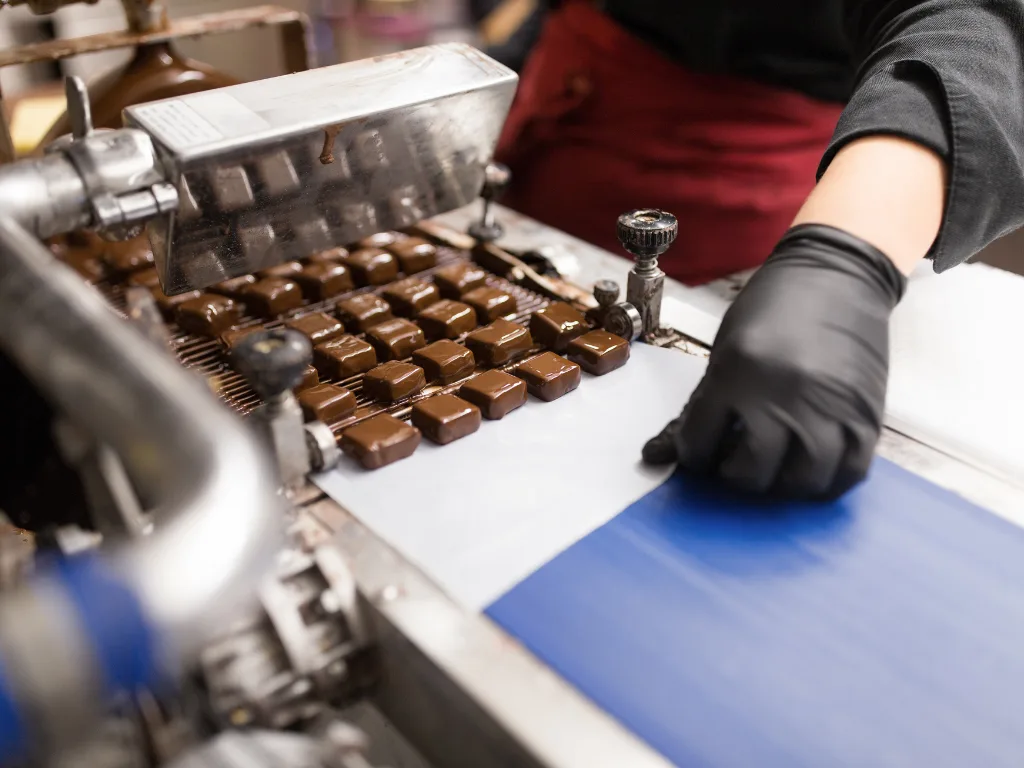
The global resistant dextrin market has entered a strong growth cycle driven by shifting consumer behavior, regulatory pressure to reduce sugar, and the rising need for gut-friendly functional ingredients. Food and beverage manufacturers, nutraceutical brands, and private-label formulators are now actively searching for clean-label soluble fibers that improve product nutrition without sacrificing taste or texture.
Resistant dextrin stands out in this environment because it delivers multiple formulation benefits: improved mouthfeel, enhanced stability, lower calorie contribution, and a strong positioning for digestive wellness. As a result, suppliers and manufacturers are anticipating sustained growth in resistant dextrin demand—especially in Asia-Pacific and North America, where sugar reduction and fiber fortification are becoming essential for competitiveness.
For ingredient distributors such as Satoria Nutrisentials, this market momentum represents a valuable opportunity to partner with brands aiming to reformulate or scale new functional product lines using high-performance resistant dextrin solutions.
Global Growth Drivers in the Resistant Dextrin Market
The resistant dextrin market is expanding at a rapid pace as multiple macro-trends converge across the health, wellness, and food innovation sectors. Manufacturers are no longer treating fiber as a niche additive—they see it as a core component of modern formulation standards.
Several growth drivers are accelerating demand:
- Sugar reduction mandates and reformulation policies in many countries.
- High consumer interest in digestive health and prebiotic ingredients.
- Demand for low-calorie, low-glycemic index products in beverages and snacks.
- Functional food market expansion, especially in Asia-Pacific.
- Increased R&D investment in alternative carbohydrates and clean-label fibers.
Resistant dextrin offers a combination of technological and nutritional advantages that make it more versatile than many traditional fibers. It blends easily, improves viscosity, and enhances the sensory profile of foods—helping manufacturers maintain taste while improving nutritional claims.
For B2B buyers, these advantages contribute to stronger product positioning, better consumer acceptance, and improved label claims—all key differentiators in competitive categories like beverages, snacks, bakery, dairy alternatives, and supplements.
Why Resistant Dextrin Is Becoming a Preferred Functional Ingredient
The shift towards resistant dextrin as a standard formulation fiber is driven not just by market trends but by its underlying functional characteristics. Manufacturers prefer it because it is easy to work with, stable under processing conditions, and applicable to a wide range of product categories.
Here are the primary reasons resistant dextrin is gaining traction in the resistant dextrin market:
1. High Solubility and Neutral Taste
Resistant dextrin dissolves easily in both hot and cold liquids and has a clean, neutral flavor profile. This makes it ideal for beverages, functional waters, powdered drink mixes, and even energy gels.
2. Prebiotic Properties and Digestive Support
As research on gut health expands, resistant dextrin’s prebiotic benefits are becoming more commercially valuable. It supports beneficial gut bacteria and helps promote digestive regularity—both of which are strong consumer value propositions.
3. Low Glycemic Impact
The ingredient contributes minimal sugar and supports low-GI formulation. This is essential for:
- diabetic-friendly foods
- sports nutrition
- diet beverages
- weight-management products
- functional bakery items
4. Improved Texture and Mouthfeel
Unlike some fibers that create a gritty or chalky texture, resistant dextrin improves smoothness and enhances viscosity without compromising flavor.
5. Versatile Use in Multiple Product Categories
It performs well in:
- Ready-to-drink beverages
- Instant drink powders
- High-fiber bakery products
- Dairy and plant-based alternatives
- Gummies and chewable supplements
- Nutritional bars
- Confectionery
These functional benefits contribute to its increasing share in the global functional ingredients segment.
Regional Outlook: Where the Resistant Dextrin Market Is Growing Fastest
Demand for resistant dextrin varies by region, and understanding the regional outlook is essential for distributors, manufacturers, and formulators planning market expansion.
Asia-Pacific: The Fastest-Growing Segment
The Asia-Pacific region is driving the highest growth due to rising awareness of digestive wellness, government-led sugar reduction initiatives, and rapid innovation in functional beverages. Indonesia, Malaysia, Thailand, and Vietnam are seeing strong adoption in RTD beverages, instant coffee mixes, and fiber-fortified snacks.
For Satoria Nutrisentials, this presents a strong advantage given its strategic position in the region and understanding of ASEAN market requirements.
North America: High Demand for Clean-Label and Keto-Friendly Solutions
The U.S. and Canada are experiencing increased interest in dietary fibers that can be marketed as clean-label, low-calorie, and metabolism-friendly. Resistant dextrin is used widely in low-sugar beverages, keto baking mixes, and wellness supplements.
Europe: Innovation Driven by Strict Regulations
The EU’s strong regulatory environment encourages brands to choose ingredients with well-documented functional benefits and stability. Resistant dextrin is commonly incorporated into bakery, cereals, and fortified foods.
Key Market Segments Benefiting From Resistant Dextrin
As the resistant dextrin market evolves, different product categories are adopting fiber fortification for strategic growth. This section highlights the most active sectors and the benefits resistant dextrin brings to each.

1. Functional Beverages
Manufacturers are using resistant dextrin to improve beverage body and reduce sugar without altering taste. It enhances mouthfeel and provides a low-calorie functional boost.
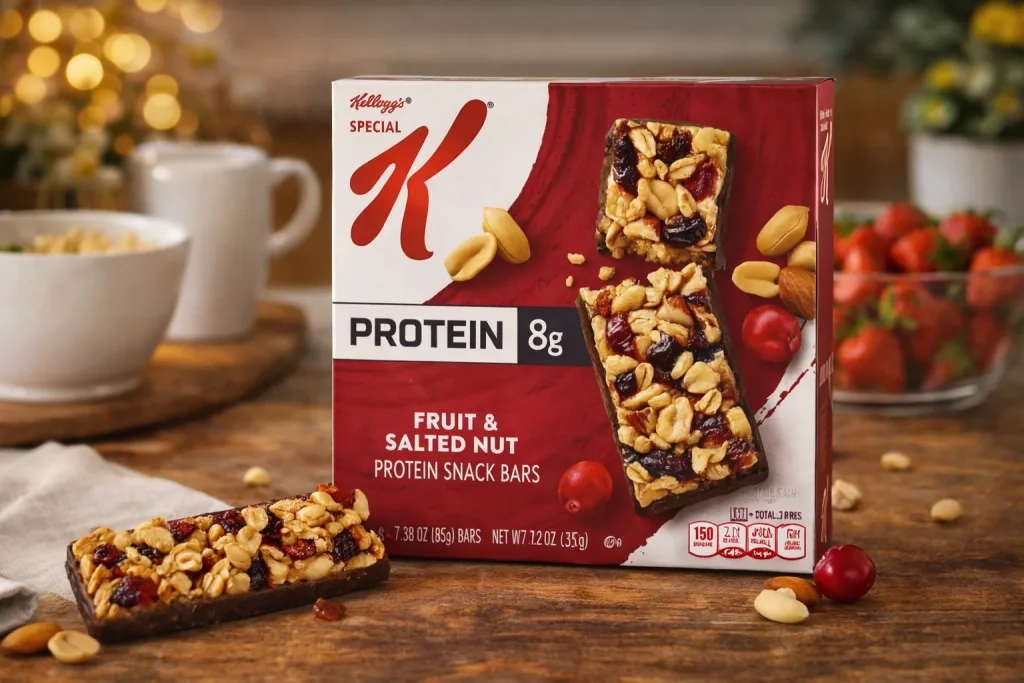
2. Bakery and Snack Foods
Resistant dextrin helps maintain volume and softness, improves texture, and allows “source of fiber” or “high fiber” labeling.
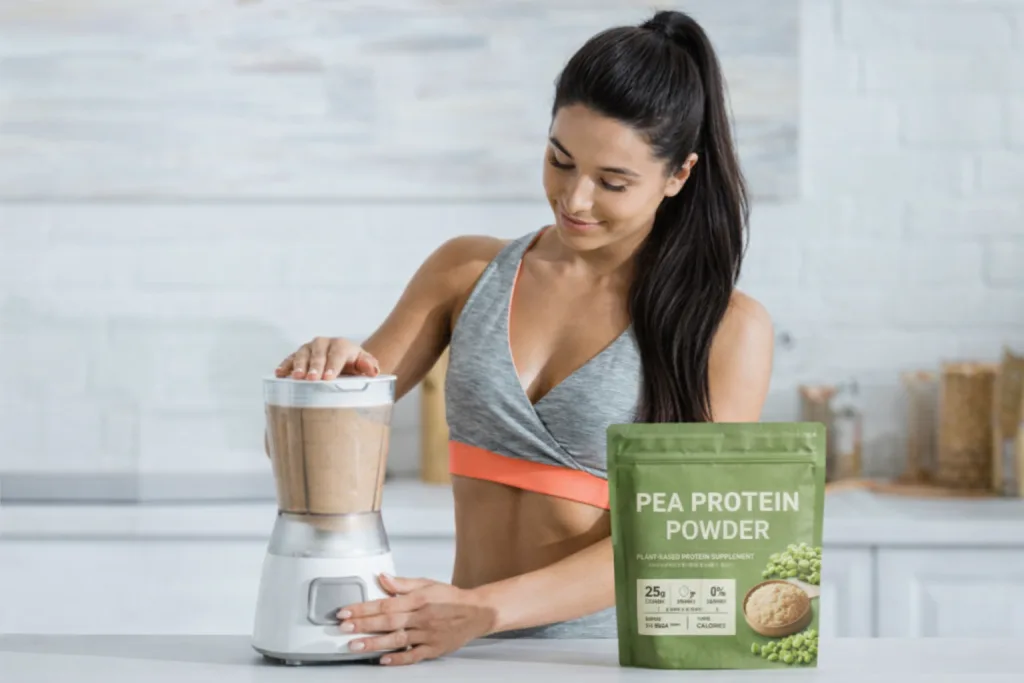
3. Sports Nutrition
Its low-GI, slow-digesting carbohydrate profile makes it suitable for endurance energy products, shakes, and gels.
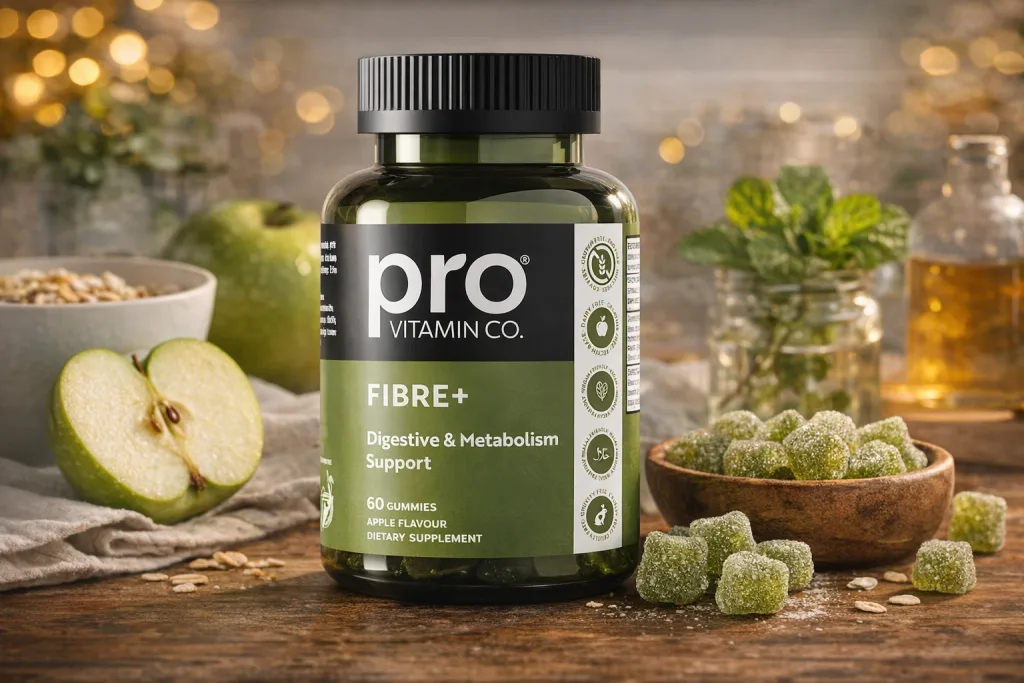
4. Nutraceutical Gummies and Chewables
Because resistant dextrin offers excellent stability in gummy formulations, it allows higher-fiber claims with better chewability.
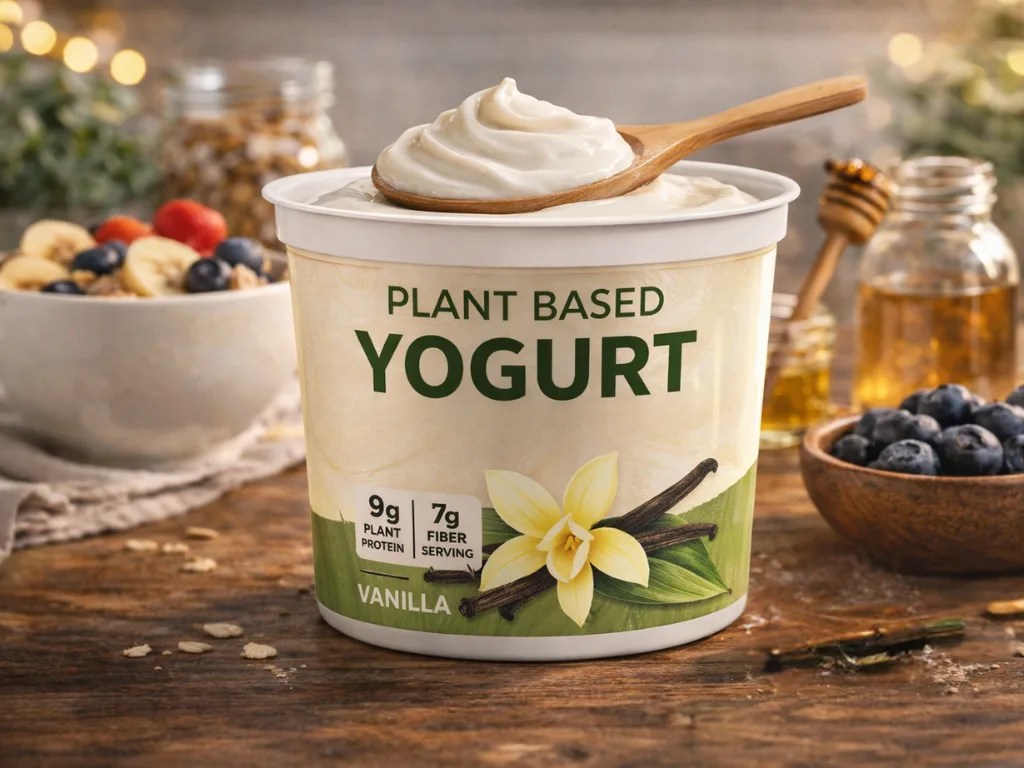
5. Dairy Alternatives
In plant-based yogurt and milk alternatives, resistant dextrin adds creaminess while supporting digestive health positioning.
How Resistant Dextrin Aligns With Clean-Label and Wellness Trends
Modern consumers want ingredient transparency, minimal processing, and functional benefits backed by science. Resistant dextrin aligns naturally with these preferences.
Here’s how:
- Clean-label compatible
- Supports low-sugar and sugar-free claims
- Plant-derived carbohydrate source
- Non-GMO options available
- Suitable for vegan and allergen-friendly products
Brands benefit because resistant dextrin enhances nutritional value without creating labeling concerns that could discourage health-conscious consumers.
Market Challenges and Opportunities for Manufacturers
Even with its rising popularity, manufacturers evaluating resistant dextrin must consider supply consistency, ingredient quality, and application-specific performance. Not all resistant dextrin is created equal—differences exist in purity, processing, and solubility.
Challenges brands may face include:
- inconsistent viscosity across suppliers
- variability in solubility depending on processing method
- ensuring label claims remain compliant
- need for reliable sourcing partners
Opportunities for those who get it right include:
- entry into higher-margin functional categorie
- improved product stability and sensory quality
- ability to meet consumer demand for gut health
- competitive differentiation with prebiotic claims
This is where strong ingredient partners become critical.
Why Satoria Nutrisentials Is a Strategic Supplier in the Resistant Dextrin Market
Satoria Nutrisentials is positioned to support manufacturers, distributors, and product developers seeking high-quality, reliable resistant dextrin for scalable production. As a trusted B2B ingredient supplier, the company focuses on delivering value through:
High-Quality Ingredient Standards
Their resistant dextrin is produced with consistent solubility, neutral taste, and excellent clarity—making it suitable for beverages and dry mixes.
Technical Support for Formulation
Satoria collaborates with R&D teams to ensure the ingredient performs across various applications, including heat-processed products, RTD beverages, and bakery items.
Clean-Label and Regulatory Alignment
The ingredient complies with major food safety and quality standards and supports consumer-friendly claims.
Availability in Multiple Formats
Granular, powder, and syrup options allow flexibility depending on the manufacturer’s processing needs.
Strong Regional Supply Chain
With strategic distribution capabilities across Asia-Pacific, Satoria Nutrisentials reduces lead times and helps brands scale quickly in fast-growing markets.
Applications of Satoria Nutrisentials’ Resistant Dextrin in Product Innovation
Satoria Nutrisentials supports innovation in several product categories through tailored resistant dextrin solutions.
In Beverages
- smooth mouthfeel enhancement
- improved stability in acidic beverages
- reduced sugar without taste loss
In Snacks and Bars
- increased fiber content across formulations
- improved chew and softness retention
- enhanced moisture balance
In Dairy Alternatives
- creamier texture
- better emulsification
- low-calorie positioning
In Gummies and Confectionery
- improved elasticity
- stable fiber infusion
- low-sugar, high-fiber innovation opportunities
Each of these applications aligns with current market demands and gives B2B clients an opportunity to launch products with strong consumer appeal.
Partner With Satoria Nutrisentials to Strengthen Your Fiber-Focused Product Portfolio
If your brand is exploring sugar reduction, digestive wellness, or clean-label functional formulations, Satoria Nutrisentials offers the resistant dextrin solutions and technical support you need to scale effectively. Whether you are reformulating existing SKUs or developing a new line of functional beverages, snacks, dairy alternatives, or nutraceutical products, partnering with a reliable supplier ensures consistent quality and market success.
Ready to upgrade your formulations? Let’s build better products together.
Explore Satoria Nutrisentials’ full ingredient portfolio and request a consultation today.
Reference
- European Food Safety Authority. (2022). Dietary fiber and health benefits. https://www.efsa.europa.eu
- Innova Market Insights. (2024). Functional ingredient market trends. https://www.innovamarketinsights.com
- Mintel. (2023). Sugar reduction and clean-label survey insights. https://www.mintel.com
- NIH National Library of Medicine. (2023). Prebiotic effects of resistant dextrin. https://pubmed.ncbi.nlm.nih.gov
- Statista. (2024). Global resistant dextrin market projections. https://www.statista.com
Featured News
Category
Get a Promo and Keep Updated