
Natural Food Thickener for Clean Label Products Used for Modern Food & Beverage Formulation
Zero-Calorie Sweeteners: Separating the Myths from the Facts
June 7, 2025
Natural Sweeteners - Articles
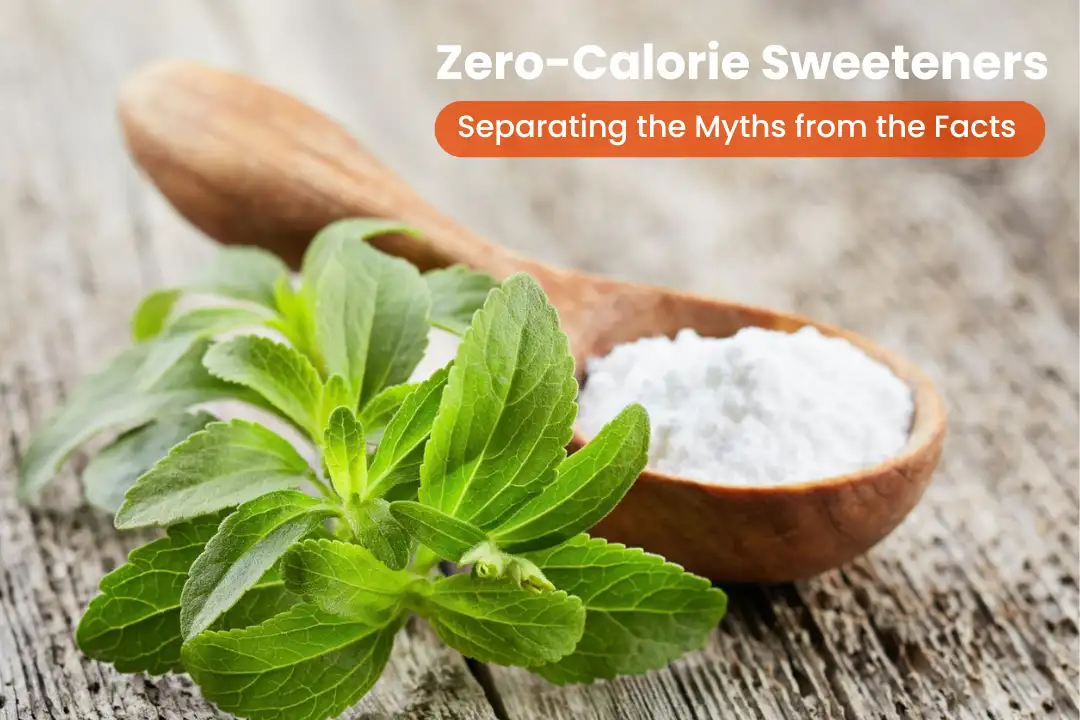
In the era of clean eating, sugar reduction, and label scrutiny, zero-calorie sweeteners have found their way into everything from coffee and yogurt to sports drinks and baked goods. But with this growing presence comes a wave of controversy and confusion. Are they truly safe? Do they help with weight loss—or do they secretly lead to weight gain? And what about gut health or long-term use?
This article dives deep into these concerns, helping you separate myths from facts while spotlighting how SweetSential, a scientifically formulated sweetener by Satoria, offers a smarter, safer alternative for guilt-free sweetness.
The Rise of Zero-Calorie Sweeteners in Health-Conscious Diets
As awareness of sugar’s negative effects—obesity, insulin resistance, and metabolic syndrome—increases, many people are searching for smarter ways to enjoy sweetness without the health risks. That’s where zero-calorie sweeteners come in.
Used by diabetics, fitness enthusiasts, and those pursuing low-carb or ketogenic lifestyles, these sugar substitutes deliver the sweet taste people crave, minus the calories and blood sugar spikes. However, despite being backed by decades of research, they remain widely misunderstood.
Myth #1: Zero-Calorie Sweeteners Cause Weight Gain
This is perhaps the most persistent misconception. The theory is that these sweeteners trick the brain, stimulate appetite, or lead to compensatory overeating.
The fact? Clinical studies don’t support this claim. In reality, replacing sugar with zero-calorie sweeteners has been shown to help with caloric reduction and modest weight loss. A 2020 meta-analysis published in BMJ found that non-nutritive sweeteners, when used properly, do not increase appetite or body fat and can help control body weight when they displace sugar in the diet.
It’s also worth noting that weight gain is a result of energy surplus, not the consumption of sweeteners themselves. When used as part of a balanced diet, zero-calorie sweeteners can help reduce calorie intake and support healthier eating habits.
Myth #2: Artificial Sweeteners Are Unsafe or Toxic
The word “artificial” often leads to knee-jerk skepticism. While some synthetic compounds may deserve careful evaluation, it’s important to remember that not all zero-calorie sweeteners are artificial, and not all artificial ingredients are harmful.
Take SweetSential, for example. This sweetener is formulated using erythritol, a naturally occurring sugar alcohol found in fruits, and resistant dextrin, a plant-based fiber. Both ingredients are approved by global food safety authorities, including the FDA and EFSA, and are Generally Recognized as Safe (GRAS).
Erythritol is particularly well tolerated, does not affect insulin or blood glucose, and is excreted unchanged in urine. Resistant dextrin, meanwhile, offers health benefits that extend beyond sweetness—more on that shortly.
Myth #3: They Harm Your Gut Health
Another common concern is that sweeteners disrupt the gut microbiome. This worry stems from early studies suggesting that certain synthetic sweeteners—such as saccharin may negatively affect gut bacteria in high doses.
However, newer research shows that not all sweeteners behave the same way. In fact, some—like resistant dextrin, an ingredient in SweetSential—actually support digestive health. Resistant dextrin acts as a prebiotic, feeding beneficial gut bacteria, improving stool regularity, and contributing to better metabolic outcomes.
The idea that all zero-calorie sweeteners damage gut flora is outdated. With smart formulation, they can even promote gut wellness—especially when they replace sugar, which contributes to inflammation and metabolic dysfunction.
Myth #4: All Zero-Calorie Sweeteners Are the Same
People often lump all sweeteners into one category, assuming they work the same or taste the same. But in truth, there’s wide variation in their origin, effect, and sensory profile.
Aspartame is synthetic and not suitable for people with phenylketonuria. Stevia is plant-derived but often comes with a bitter aftertaste. Erythritol, a star ingredient in SweetSential, is known for its sugar-like taste and high tolerability.
Furthermore, SweetSential’s inclusion of resistant dextrin not only provides digestive support but also adds body and smoothness to the sweetener, making it more versatile in cooking and beverages. The combination of erythritol and fiber in SweetSential represents a more functional and pleasant alternative to typical sweeteners.
Myth #5: All Sugar Substitutes Taste Artificial or Bitter
A common deterrent for many people is the unpleasant aftertaste associated with many sugar substitutes. Some are overly sweet, others are bitter, and a few leave a cooling or metallic finish.
However, formulation plays a huge role in taste. SweetSential is crafted to provide clean sweetness, closely mimicking the flavor of cane sugar. Thanks to the naturally sweet and neutral flavor of erythritol combined with fiber, it avoids the bitterness and aftertaste found in many stevia-based or synthetic blends.
Users consistently report that SweetSential works seamlessly in coffee, smoothies, baking, and even savory recipes—making it a reliable option for everyday use.
Myth #6: They’re Not Safe for Children or Pregnant Women
One of the most emotionally charged myths is the belief that zero-calorie sweeteners are dangerous for children, pregnant women, or people with chronic illnesses.
The truth is, when consumed within recommended limits, many of these sweeteners are safe across age groups and life stages. Research shows that erythritol does not cross the placenta, does not affect fetal development, and is safe for use during pregnancy. Resistant dextrin, often used in infant formulas and pediatric nutrition, has been shown to support gut health and digestion in children.
Organizations such as the FDA, EFSA, and WHO have set acceptable daily intake (ADI) levels for various sweeteners, and SweetSential’s ingredients fall well within these safety guidelines.
Do Zero-Calorie Sweeteners Affect Blood Sugar?
This is a crucial question for individuals with diabetes or insulin resistance. Fortunately, sweeteners like erythritol and resistant dextrin have minimal to no impact on blood glucose or insulin levels.
Erythritol is not metabolized by the body and is excreted unchanged, making it an excellent choice for those monitoring their carbohydrate intake. Resistant dextrin, while a carbohydrate by classification, functions as a dietary fiber—slowing digestion and improving glycemic response.
This makes SweetSential not only safe but strategic for managing blood sugar levels without giving up sweetness.
Make Smarter Sweetener Choices
There’s no denying the confusion surrounding zero-calorie sweeteners. But as research continues to evolve, the facts are becoming clearer: they’re not all the same, and they’re not all harmful.
The key is choosing the right formulation—one that is backed by science, free of harsh additives, and gentle on your body. SweetSential combines the clean sweetness of erythritol with the gut-supporting benefits of resistant dextrin, creating a balanced, functional sweetener that supports your health goals.
Ready to replace sugar without giving up taste?
Discover the clean, calorie-free sweetness of SweetSential Sachet Edition—designed for everyday use, trusted by families, and powered by nature.
Featured News
Category
Get a Promo and Keep Updated