
Rice Protein Isolate for Non-Dairy Sports Recovery RTD Shakes: A Formulator’s Guide
Prebiotic-Fortified Powders: A Growing Trend in Health Supplements
May 31, 2025
Resistant Dextrin - Articles
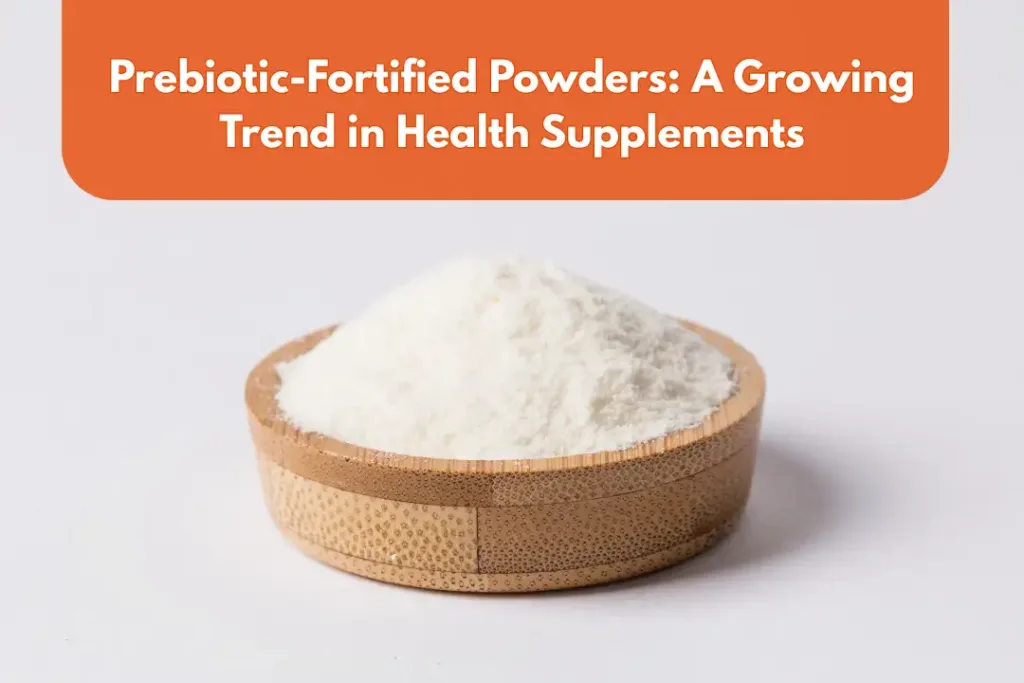
The Powdered Supplement Boom Meets Gut Health Demand
Did you know that the global powdered dietary supplements market is projected to reach over USD 12 billion by 2030? This surge is driven by consumers demanding more flexible, high-dosage, and personalized nutrition formats. Among the most prominent trends in this sector is the inclusion of prebiotic fortified powders, a category fueled by rising interest in gut health and holistic wellness. As brands seek science-backed ingredients that blend seamlessly into powder formulations, Digestive Resistant Dextrin (DRD) is emerging as a game-changer.
This article explores how DRD helps formulators deliver clean-tasting, gut-friendly powdered supplements with marketable benefits—bridging the gap between wellness functionality and formulation ease.
Why Prebiotics Are in Demand
The connection between gut health and overall well-being is no longer niche. Consumers today are increasingly aware that a balanced microbiome can impact digestion, immunity, mood, and even skin health. This has led to growing demand for functional foods and supplements that support the gut naturally.
Prebiotics, which act as fuel for beneficial gut bacteria, have gained considerable traction. They’re now viewed as foundational components in health supplements—not just optional extras. However, the challenge lies in integrating effective prebiotics into convenient formats that consumers actually enjoy using daily.
Digestive Resistant Dextrin: The Ideal Prebiotic for Powdered Formats
Among the many prebiotic fibers available, Digestive Resistant Dextrin (DRD) stands out. It is a non-viscous, soluble fiber derived from corn starch, making it highly adaptable to various powder-based formulations. Its neutral taste, excellent solubility, and low-FODMAP status make it ideal for people with sensitive digestive systems.
Unlike other fibers that can cause bloating, gas, or poor dissolution, DRD dissolves smoothly in water or other liquids—cold or hot—without forming clumps. This makes it especially suitable for stick packs, instant drink mixes, and daily sachets.
Versatility in Powder-Based Applications
DRD can be integrated into a wide range of powdered health products, thanks to its versatility. Some of the most common and emerging formats include:
- Daily Digestive Health Powders – targeting microbiome balance and regularity
- Immunity Support Blends – combining DRD with vitamins C, D, and zinc
- Beauty-from-Within Collagen Drinks – enhancing skin health while promoting gut wellness
- Protein + Prebiotic Formulas – perfect for fitness enthusiasts focused on performance and digestion
These product formats cater to varied consumer needs and lifestyles, all while aligning with clean-label and wellness-focused trends.
Clean Sensory Profile for Formulation Ease
Taste and mouthfeel are crucial in powdered supplements. Many prebiotic fibers such as inulin or chicory root may introduce off-flavors, sweetness, or gritty textures. DRD has a clean, tasteless profile, ensuring that flavor systems—whether fruity, botanical, or savory—remain intact.
Its invisible presence allows formulators to maintain product aesthetics while fortifying with dietary fiber. Whether used in flavored hydration powders or unflavored functional mixes, DRD maintains a smooth mouthfeel and a stable texture.
Supports On-Pack Claims and Clinical Benefits
Consumers are reading labels more than ever. DRD empowers brands to make strong, science-backed claims, such as:
- “Prebiotic Fiber”
- “Supports Digestive Wellness”
- “Promotes Healthy Gut Microbiota”
- “Low FODMAP Certified”
Moreover, DRD is recognized in several global markets for its prebiotic benefits and is supported by clinical studies showing its ability to modulate gut microbiota without causing gastrointestinal discomfort.
Easy-to-Formulate and Scale
From an R&D and manufacturing perspective, DRD offers significant advantages. It:
- Dissolves instantly in both cold and hot liquids
- Does not clump, streamlining blending and packaging
- Is compatible with a variety of active ingredients, including proteins, vitamins, adaptogens, and electrolytes
- Has a long shelf-life, maintaining stability in both single- and multi-ingredient blends
This makes it ideal for manufacturers looking to diversify SKUs without the hassle of reformulating existing bases.
Application Examples
To illustrate DRD’s real-world use, here are several successful product types incorporating resistant dextrin:
1. Stick-Pack Sachets for Daily Gut Health
Convenient for on-the-go consumers, these sachets deliver a precise dose of DRD to support digestion.
2. Meal Replacement Powders
Combine DRD with protein, MCTs, and adaptogens for a balanced meal replacement that supports both satiety and gut wellness.
3. Prebiotic Hydration Blends
Ideal for athletes and travelers, these blends hydrate while nourishing gut flora without heavy flavors or bloating.
4. Superfood Powders (Greens and Reds)
DRD complements greens and antioxidant blends by adding fiber and enhancing overall gut-support benefits.
Market Opportunity for Manufacturers
The rise of e-commerce and health-focused retail channels has expanded the reach of personalized wellness products, especially powders. Consumers now expect:
- Transparency in ingredients
- Scientific backing
- Digestive support
- Convenient formats
Prebiotic fortified powders with DRD meet all these criteria—making them a profitable and scalable solution for supplement brands. Whether launching new lines or upgrading existing ones, DRD allows manufacturers to lead in a growing niche.
Additional Insight: Common Questions About Prebiotic Powders
Are prebiotics and probiotics the same?
No. Probiotics are live bacteria, while prebiotics like DRD are fibers that feed those beneficial bacteria.
Can I mix DRD-based powders with protein?
Yes. DRD is heat-stable and blends well with protein isolates and concentrates, maintaining solubility and digestibility.
Is resistant dextrin keto-friendly?
Yes. With minimal impact on blood sugar and low net carb content, DRD is suitable for low-carb or ketogenic diets.
Conclusion: Deliver Smart Supplementation with Prebiotic Powder Innovation
As consumers become more proactive about their health, they are seeking products that combine science, convenience, and real functional benefits. Prebiotic fortified powders using Digestive Resistant Dextrin offer a compelling opportunity to meet this demand—supporting gut health without compromising on taste, texture, or formulation simplicity.
At Satoria Nutrisentials, we offer high-quality, formulation-ready Digestive Resistant Dextrin that meets regulatory standards and consumer expectations. Whether you’re developing functional hydration blends or beauty powders, Satoria can help you innovate smarter.
Explore our range of prebiotic ingredient solutions today at https://satorianutrisentials.com/.
Featured News
Category
Get a Promo and Keep Updated