
Rice Protein Isolate for Non-Dairy Sports Recovery RTD Shakes: A Formulator’s Guide
Maltodextrin vs Resistant Dextrin: Canadian Nutritionist’s Guide
September 26, 2025
Resistant Dextrin - Articles
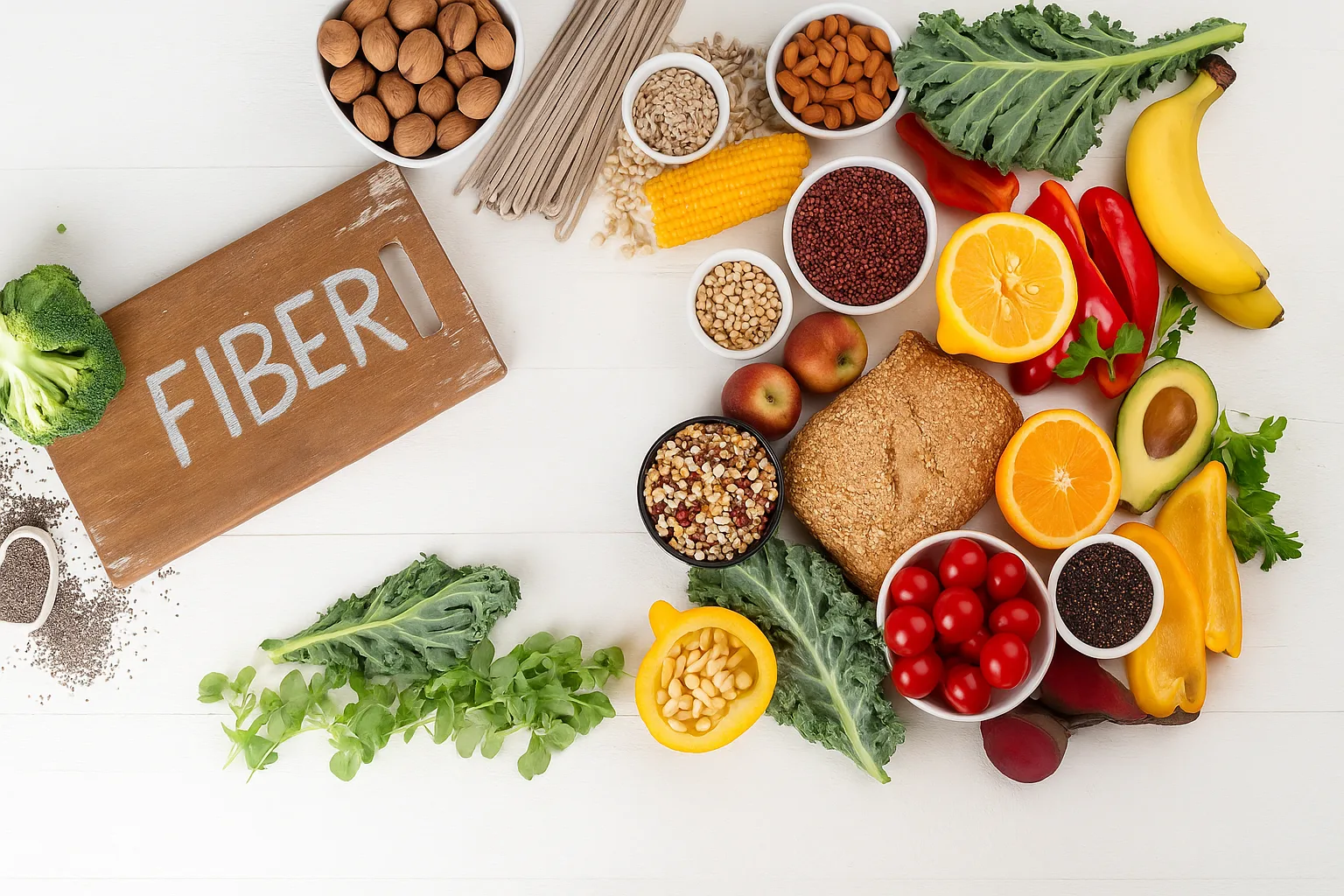
Understanding the differences between maltodextrin and resistant dextrin has become increasingly important for food and beverage brands in Canada. With Health Canada dietary fiber guidelines shaping product innovation, businesses must carefully evaluate which ingredient best aligns with clean-label demands, consumer health goals, and regulatory compliance. This Maltodextrin vs Resistant Dextrin: Canadian Nutritionist’s Guide explores how these two ingredients compare, and why resistant dextrin is gaining attention as a functional fiber solution.
Maltodextrin: A Common but Controversial Ingredient
Maltodextrin is a widely used carbohydrate derived from corn, rice, or potato starch. It is often used in processed foods for texture, bulking, and as a quick energy source.
Characteristics of Maltodextrin
- Easily Digestible: Maltodextrin is rapidly absorbed, leading to a spike in blood glucose.
- Versatile Use: Found in sports drinks, candy, snacks, and meal replacements.
- Neutral Taste: Its bland profile makes it easy to incorporate without affecting flavor.
Concerns in Canadian Nutrition
While functional in food manufacturing, maltodextrin poses nutritional concerns:
- May contribute to higher blood glucose levels.
- Offers little to no dietary fibre definition Canada requirements.
- Not recognized under list of accepted dietary fibres Canada.
For consumers seeking low-glycemic and functional food ingredients, maltodextrin may not always meet modern clean-label expectations.
Resistant Dextrin: A Functional Fiber for Health-Conscious Canadians
Unlike maltodextrin, resistant dextrin functions as a soluble dietary fibre. Derived from starch, it passes through the digestive system slowly, offering multiple benefits recognized under Health Canada novel fiber sources.
Resistant Dextrin in Canada: Health Canada’s Fiber Guidelines
Health Canada has accepted resistant dextrin as an approved dietary fibre when it meets conditions under the approved fibers Health Canada framework. It allows manufacturers to make food labeling dietary fibre claims Canada, including:
- “Source of fibre claim Canada”
- Support for resistant dextrin prebiotic benefits
Health Benefits of Resistant Dextrin
Canadian nutritionists highlight resistant dextrin’s advantages over maltodextrin:
- Gut Health: Promotes beneficial resistant dextrin gut microbiota activity.
- Blood Glucose: Helps balance resistant dextrin blood glucose Canada levels.
- Cholesterol Reduction: Supports resistant dextrin cholesterol reduction.
- Insulin Resistance: Research shows improvements in insulin resistance resistant dextrin study outcomes.
These properties position resistant dextrin as a superior option for resistant dextrin in functional foods aligned with health-driven consumer demand.
Health Canada’s Dietary Fibre and Labelling Policies
Understanding regulatory frameworks is essential for brands innovating in Canada.
Health Canada Dietary Fiber Guidelines
- Define dietary fibre definition Canada standards.
- Recognize novel fibre labelling policy Canada for newer fibre sources.
- Ensure only scientifically validated fibres enter the list of accepted dietary fibres Canada.
Food Labelling and Market Advantage
A key advantage of resistant dextrin is its compliance with Health Canada dietary fiber guidelines and the novel fibre labelling policy Canada. Unlike maltodextrin, which is not included in the list of accepted dietary fibres Canada, resistant dextrin qualifies as an approved fiber and allows manufacturers to make recognized food labeling dietary fibre claims Canada. This includes “source of fibre” or “high in fibre” statements, which enhance transparency and build consumer trust.
For brands competing in the Canadian functional food sector, this compliance translates into a clear market advantage. Products formulated with clean label fibre resistant dextrin can be positioned as both scientifically validated and consumer-friendly. Highlighting benefits such as gut microbiota support, blood glucose balance, and cholesterol reduction strengthens differentiation in categories like sports nutrition, beverages, and snacks.
These labeling opportunities also create room for storytelling and marketing alignment. By emphasizing adherence to novel fibre sources and approved fibers Health Canada, companies reassure consumers that their products are credible, safe, and effective. This regulatory backing not only reduces risk but also enhances brand reputation.
Ultimately, resistant dextrin offers a dual benefit: regulatory compliance and consumer appeal. For forward-looking brands, it provides the foundation to stand out in Canada’s competitive functional food market.
Maltodextrin vs Resistant Dextrin: The Canadian Nutritionist’s Verdict
Comparing resistant maltodextrin Canada with conventional maltodextrin reveals a clear difference:
- Maltodextrin: Energy source, but high glycemic, not aligned with fibre regulations.
- Resistant Dextrin: Meets Health Canada dietary fiber guidelines, supports gut health, blood glucose balance, and cholesterol management.
For health-conscious Canadian consumers, resistant dextrin offers a better fit with clean label fibre initiatives and functional foods innovation.
Functional Food Applications in Canada
Brands are increasingly adopting resistant dextrin as a resistant dextrin food ingredient Canada in products such as:
- High-fibre beverages
- Sports nutrition shakes
- Meal replacements
- Healthy snacks and bakery products
This versatility ensures resistant dextrin integrates seamlessly into functional foods, meeting both consumer demand and regulatory requirements.
Why Resistant Dextrin Aligns with Clean-Label Trends
Today’s Canadian consumers expect more than compliance — they seek transparency. Resistant dextrin Canada aligns perfectly with clean-label positioning:
- Derived from starch, minimal processing.
- Backed by Health Canada dietary fibre guidelines.
- Recognized prebiotic and metabolic benefits.
For brands targeting wellness-conscious buyers, resistant dextrin is the fiber solution that meets both science and consumer expectation.
Conclusion: Choosing the Right Ingredient for the Future
As this Maltodextrin vs Resistant Dextrin: Canadian Nutritionist’s Guide shows, resistant dextrin offers clear advantages for both brands and consumers. By supporting gut microbiota, improving blood glucose balance, reducing cholesterol, and aligning with Health Canada novel fibre sources, resistant dextrin enables manufacturers to innovate confidently in the Canadian market.
At Satoria Nutrisentials, we supply high-quality resistant dextrin that meets global and Canadian regulatory standards. Our ingredient solutions empower brands to create functional, clean-label products that resonate with today’s health-conscious consumers.
Discover how resistant dextrin can transform your product line. Visit Satoria Nutrisentials today to explore our complete range of fibre and sweetener solutions.
Featured News
Category
Get a Promo and Keep Updated