
Rice Protein Isolate for Non-Dairy Sports Recovery RTD Shakes: A Formulator’s Guide
How Kellanova’s Special K Bars Use Soluble Corn Fiber (Resistant Dextrin) for Better Nutrition
October 12, 2025
Resistant Dextrin - Articles
Introduction
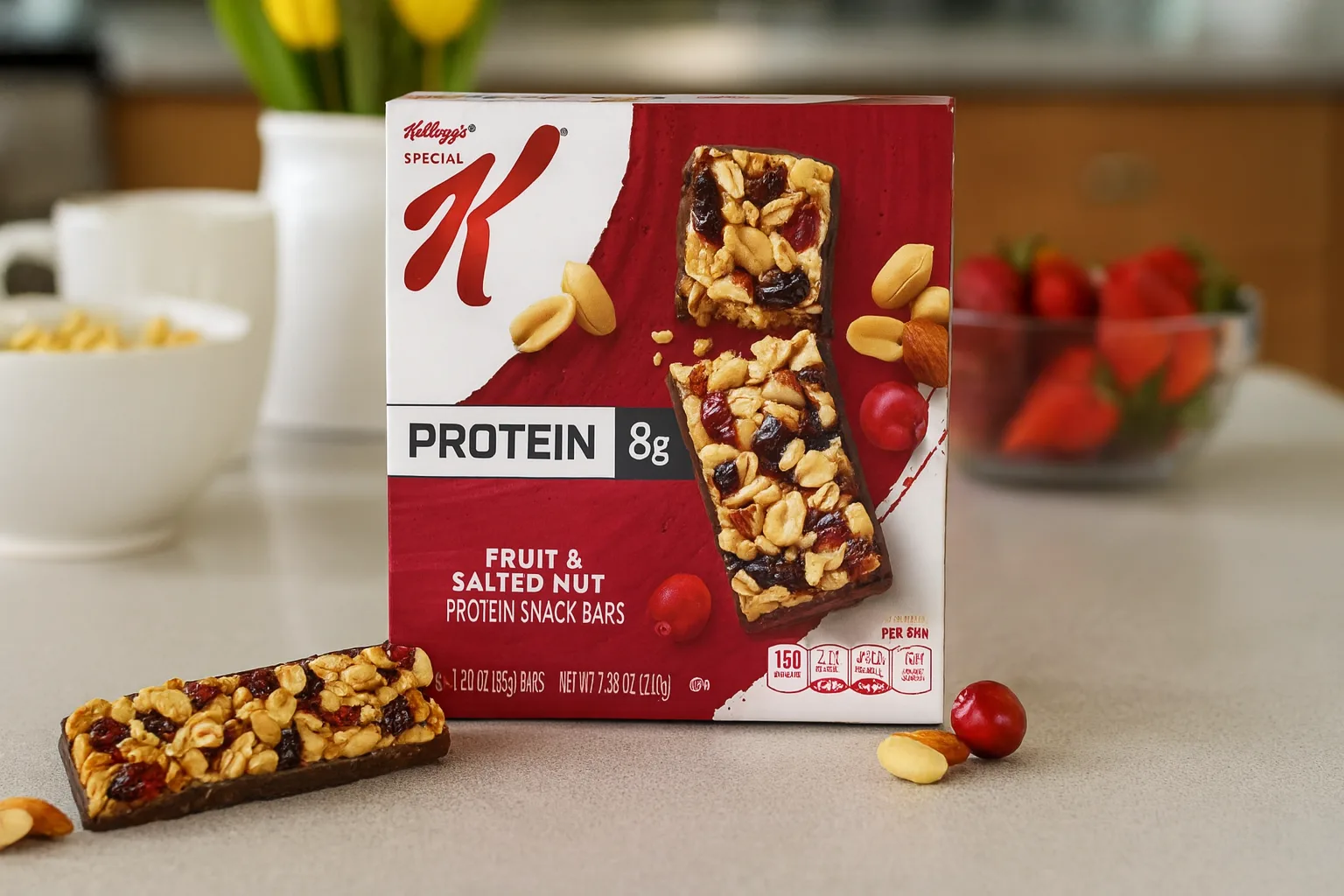
Consumers today are seeking snacks that do more than just satisfy hunger. They want foods that support digestive health, provide sustained energy, and fit into clean-label, functional nutrition trends. This is where Kellanova’s Special K Bars stand out. By incorporating soluble corn fiber (resistant dextrin) into their formulations, these cereal bars are designed to deliver better nutrition without compromising taste.
In this article, we explore how Kellogg’s Special K soluble corn fiber contributes to functional snacking, the resistant dextrin benefits in snacks, and why dietary fiber fortification in cereal bars has become a cornerstone of modern nutrition.
What is Resistant Dextrin and Soluble Corn Fiber?
Resistant dextrin is a dietary fiber produced from starch through enzymatic or heat processing. Unlike rapidly digestible starches, it resists digestion in the small intestine, functioning instead as a prebiotic fiber in the large intestine.
Soluble corn fiber, a common form of resistant dextrin, offers multiple advantages:
- Calorie reduction: Provides fewer calories than regular carbohydrates.
- Digestive support: Functions as a prebiotic, supporting gut microbiota.
- Low glycemic response: Helps manage post-meal blood sugar levels.
- Functional stability: Can be easily added to snacks, beverages, and cereals without altering taste or texture.
This makes resistant dextrin in food a powerful ingredient for companies like Kellanova looking to improve product nutrition.
Why Special K Bars Contain Resistant Dextrin
Kellogg’s Special K soluble corn fiber is a deliberate ingredient choice. Consumers expect more than protein and vitamins—they want snacks that actively support long-term wellness. By using Special K Bar ingredients resistant dextrin, Kellanova:
- Enhances dietary fiber fortification in cereal bars.
- Positions its products as functional foods with resistant dextrin.
- Supports clean-label positioning with a fiber source recognized by Health Canada and FDA.
- Appeals to health-conscious audiences in the U.S., Asia Pacific, and global markets.
This ingredient strategy reflects the broader shift toward functional snacking, where resistant dextrin benefits in snacks go beyond satiety to include digestive and metabolic advantages
Resistant Dextrin Benefits in Snacks
Adding resistant dextrin in food formulations such as bars, cookies, and beverages provides multiple consumer-friendly benefits:
- Gut Health and Prebiotic Effect
Resistant dextrin helps feed beneficial bacteria, contributing to improved digestion and overall gut health. - Blood Glucose Control
Unlike maltodextrin, which spikes blood sugar, resistant dextrin has a low glycemic index, making it suitable for diabetic-friendly and weight-management products. - Satiety and Weight Management
Fiber increases feelings of fullness, helping consumers manage calorie intake naturally. - Cholesterol Reduction
Clinical studies suggest resistant dextrin can lower LDL cholesterol levels, further positioning it as a heart-healthy addition. - Clean-Label Appeal
As a clean label fiber ingredient, it resonates with consumers looking for natural, minimally processed solutions.
Resistant Dextrin vs Maltodextrin in Foods
A key differentiator in food innovation is understanding resistant dextrin vs maltodextrin in foods.
- Maltodextrin is rapidly digested, offering quick energy but also causing spikes in blood sugar.
- Resistant dextrin, in contrast, resists digestion and functions as prebiotic fiber, offering metabolic and digestive benefits.
This distinction helps brands like Kellanova position Special K Bars not just as convenient snacks, but as functional foods with resistant dextrin.
Dietary Fiber Fortification in Cereal Bars
Fiber fortification is not just a marketing trend—it is a response to global dietary gaps. The World Health Organization highlights that most people consume far less than the recommended daily intake of dietary fiber.
By incorporating soluble corn fiber Kellogg’s into Special K Bars, Kellanova addresses this nutritional shortfall while also supporting:
- Regulatory compliance in markets such as Canada, Europe, and Asia.
- Functional positioning in the health-snack category.
- Innovation opportunities for new product lines in bars, shakes, and cereals.
This makes Special K Bars part of the wider movement toward functional foods with resistant dextrin that deliver measurable wellness benefits.
Prebiotic Fiber Kellogg’s Strategy: Meeting Consumer Demand
Kellanova’s fiber strategy aligns with today’s consumer demand for functional nutrition. Shoppers are increasingly aware of the benefits of prebiotic fibers, and Kellogg’s Special K soluble corn fiber leverages that demand by:
- Supporting digestive wellness.
- Offering low-calorie, low-glycemic snacking.
- Reinforcing Special K’s brand promise of healthy weight management.
- Differentiating from competitors that still rely on maltodextrin or less functional fillers.
By adopting prebiotic fiber Kellogg’s has placed itself at the forefront of the clean-label functional food movement.
Functional Foods with Resistant Dextrin: Industry Implications
The inclusion of resistant dextrin in food formulations like Special K Bars signals broader industry changes:
- Mainstreaming of functional fibers: Not limited to supplements, but now common in everyday snacks.
- Expansion into beverages and dairy: Resistant dextrin is also entering sodas (e.g., Coca-Cola Plus in Japan), yogurts, and protein shakes.
- B2B ingredient growth: Companies like Satoria Nutrisentials supply clean label fiber ingredients to global brands, enabling innovation across categories.
This trend highlights the increasing consumer awareness that nutrition must be both functional and accessible.
Conclusion: Why Resistant Dextrin is the Future of Snack Innovation
Kellanova’s use of soluble corn fiber Kellogg’s Special K Bars is more than a simple ingredient tweak—it is a strategic decision to align with functional food trends. By incorporating resistant dextrin benefits in snacks, Special K is able to deliver products that taste great while also supporting digestive health, metabolic balance, and consumer demand for clean-label fortification.
For food and beverage manufacturers, resistant dextrin vs maltodextrin in foods is not just a scientific difference, but a brand differentiator. Choosing resistant dextrin in food helps companies meet regulatory standards, appeal to health-conscious consumers, and future-proof their product portfolios.
Partner with Satoria Nutrisentials
If your brand is exploring clean label fiber ingredients or interested in creating functional foods with resistant dextrin, Satoria Nutrisentials provides high-quality resistant dextrin solutions for food and beverage manufacturers worldwide. Partner with us today to bring innovative, consumer-trusted fiber fortification to your product line.
References
- Meyer, Z. (2017, May 1). Need more fiber in your diet? Try a Coke. USA Today. https://www.usatoday.com/story/money/business/2017/05/01/need-more-fiber-your-diet-try-coke/101149016
- Kellanova. (2024). Special K Bars nutrition and ingredients. Retrieved from https://www.kellanovaus.com
- Health Canada. (2012). Policy for labelling and advertising of dietary fibre-containing food products. Ottawa: Health Canada.
- Satoria Nutrisentials. (2025). Resistant dextrin ingredient solutions. https://satorianutrisentials.com/
Featured News
Category
Get a Promo and Keep Updated