
Oat Fiber vs Resistant Dextrin: Which Soluble Fiber Ingredient Is Right for Your Formulation?
Vanilla Sugar Alternative: Clean-Label Solutions for Modern Food and Beverage Formulation
December 23, 2025
Natural Sweeteners - Articles
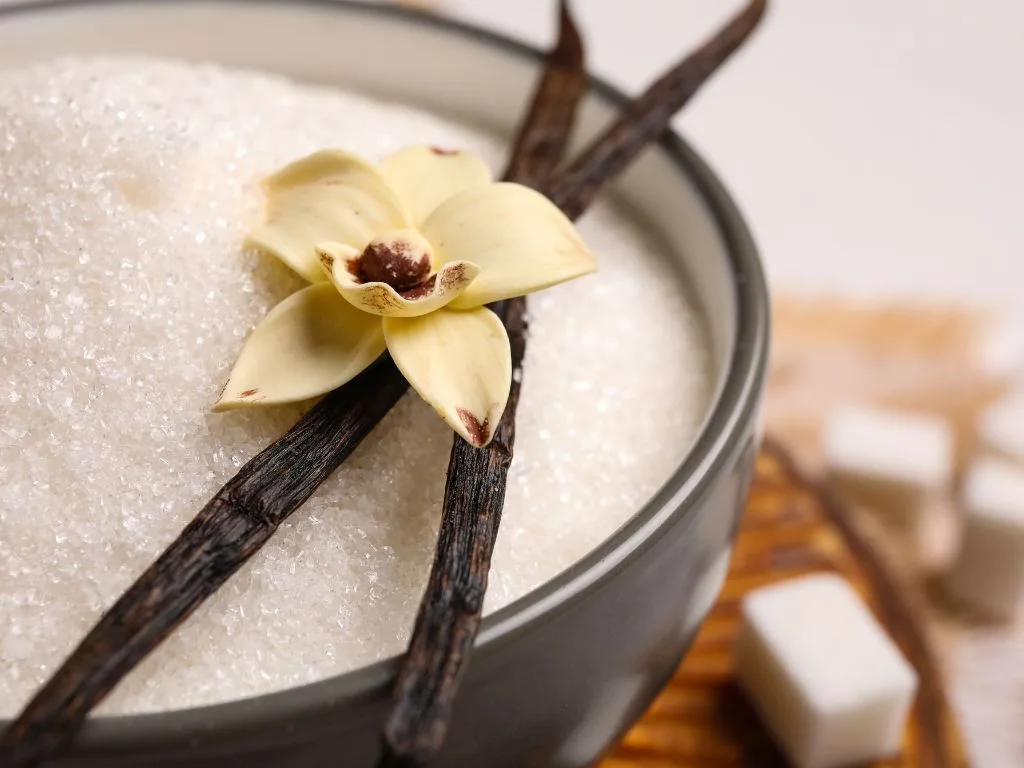
Vanilla sugar has long been a staple ingredient in bakery, confectionery, and dessert applications, valued for its aromatic sweetness and familiarity. However, as global food manufacturers respond to rising sugar reduction targets, clean-label demands, and evolving regulatory frameworks, traditional vanilla sugar is increasingly being re-evaluated.
For product developers, R&D teams, and brand owners, the challenge is no longer whether to replace vanilla sugar—but how to implement a vanilla sugar alternative that preserves flavor integrity, processing performance, and consumer acceptance. This article explores practical vanilla sugar alternatives through a B2B lens, focusing on functional ingredient strategies that support sweetness, aroma, texture, and nutritional positioning.
Why Food Manufacturers Are Moving Away from Traditional Vanilla Sugar
Vanilla sugar is typically composed of refined sucrose infused with vanilla flavor. While effective in flavor delivery, it presents several formulation challenges in today’s market.
Rising concerns around added sugars, calorie density, and glycemic response are driving reformulation across categories. Regulatory pressure, especially in Asia-Pacific, Europe, and North America, is accelerating the shift toward sugar reduction and functional labeling claims.
From a manufacturing perspective, vanilla sugar also limits flexibility. It contributes bulk sweetness but offers no functional health benefit, making it increasingly difficult to justify in next-generation formulations.
As a result, manufacturers are seeking vanilla sugar alternatives that provide:
- Reduced or no added sugar
- Clean-label compatibility
- Functional health benefits
- Stable vanilla flavor delivery
- Scalability across multiple product categories
Understanding the Functional Role of Vanilla Sugar in Formulation
Before selecting an alternative, it is essential to understand what vanilla sugar contributes beyond sweetness.
Vanilla sugar plays multiple roles, including flavor enhancement, aroma masking, bulk contribution, and browning in baked goods. Removing it without a strategic replacement can impact texture, mouthfeel, and consumer perception.
A successful vanilla sugar alternative must therefore replicate or rebalance these functions using a system-based approach rather than a one-to-one sugar swap.
This is where functional ingredients—such as soluble fibers, low-calorie sweetener systems, and natural vanilla flavor carriers—become critical.
Vanilla Sugar Alternative Strategies for Modern Product Development
Using Vanilla Flavor Systems Instead of Flavored Sugar
One of the most effective approaches is separating sweetness from flavor delivery. Rather than relying on sugar as the vanilla carrier, manufacturers can use natural vanilla extracts, powders, or flavor systems paired with alternative sweeteners.
This allows for precise flavor control, improved batch consistency, and easier sugar reduction without compromising aroma.
When combined with functional fibers, vanilla flavor systems can perform exceptionally well across beverages, bakery mixes, dairy applications, and nutritional products.
Leveraging Resistant Dextrin as a Functional Vanilla Sugar Alternative
Resistant dextrin plays a key role in next-generation vanilla sugar alternatives, particularly for manufacturers seeking fiber enrichment alongside sugar reduction.
As a soluble dietary fiber, resistant dextrin provides mild sweetness, excellent solubility, and minimal impact on viscosity. Unlike traditional sugars, it contributes to fiber content while supporting clean-label positioning.
From a formulation standpoint, resistant dextrin offers:
- Neutral taste profile that supports vanilla flavors
- Heat and acid stability for baked goods and beverages
- Compatibility with high-intensity sweeteners
- Improved mouthfeel in reduced-sugar systems
Satoria Nutrisentials’ resistant dextrin solutions are designed specifically for scalable food and beverage manufacturing, making them a practical vanilla sugar alternative across multiple categories.
SweetSentials™ and Balanced Sweetness Systems
Replacing vanilla sugar is rarely achieved with a single ingredient. Instead, successful reformulation often relies on sweetness systems that balance taste, texture, and labeling requirements.
SweetSentials™ by Satoria Nutrisentials offers customizable sweetener blends that help manufacturers achieve sugar-like sweetness with reduced caloric impact. When paired with resistant dextrin, these systems can replicate the functional bulk of sugar while maintaining a clean flavor release.
This approach is especially effective in applications such as:
- Bakery premixes
- Ready-to-drink beverages
- Dairy desserts and yogurts
- Confectionery fillings
By separating sweetness intensity from functional bulk, manufacturers gain greater flexibility and cost control.
Clean-Label Considerations for Vanilla Sugar Alternatives
Clean-label expectations extend beyond ingredient lists. Consumers increasingly associate clean labels with transparency, functionality, and purpose-driven nutrition.
A well-designed vanilla sugar alternative should support claims such as:
- Reduced sugar
- Source of fiber
- No artificial sweeteners
- Low glycemic impact
Resistant dextrin supports many of these claims while remaining label-friendly and widely accepted in global markets. When combined with natural vanilla flavor systems, manufacturers can maintain familiarity while modernizing nutritional profiles.
Application-Specific Vanilla Sugar Alternatives
Beverages and Liquid Applications
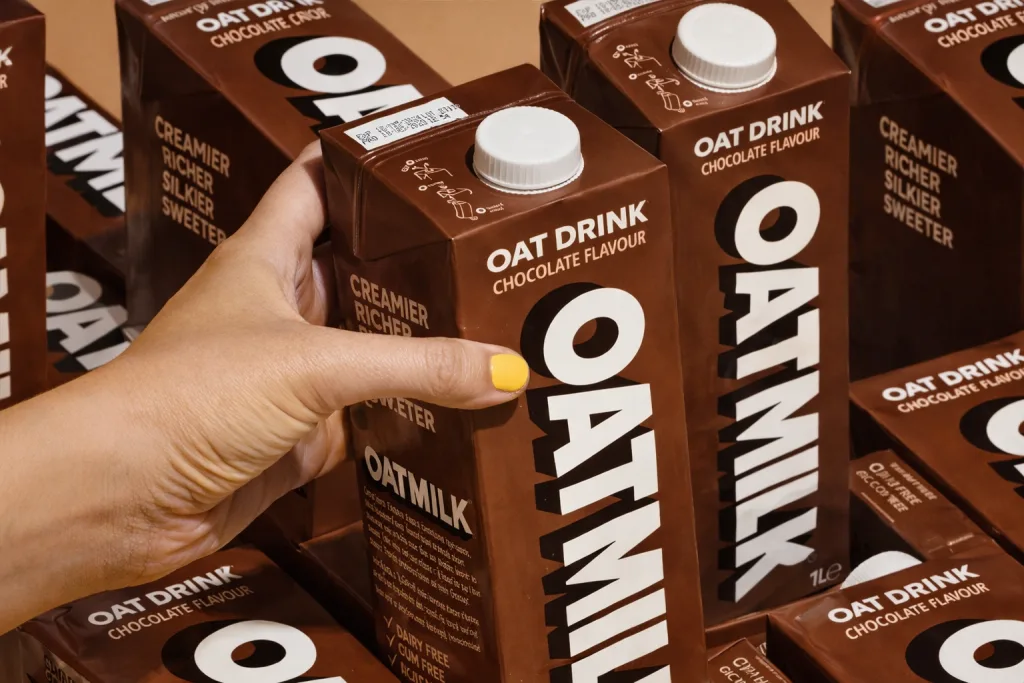
Vanilla sugar dissolves easily, but so does resistant dextrin—making it ideal for beverage reformulation. In flavored milks, protein shakes, and functional drinks, resistant dextrin maintains clarity and stability while supporting fiber claims.
This makes it a preferred vanilla sugar alternative for clean-label beverage brands targeting wellness-focused consumers.

Dairy and Frozen Desserts
In dairy applications, vanilla sugar contributes sweetness and masks off-notes. Removing it can expose bitterness from proteins or functional ingredients.
System-based solutions using resistant dextrin and SweetSentials™ help balance sweetness perception while enhancing creaminess, especially in reduced-sugar ice creams, yogurts, and dairy desserts.
Regulatory and Nutritional Positioning Advantages
From a regulatory standpoint, vanilla sugar alternatives built around functional fibers offer a significant advantage. Resistant dextrin is recognized as a dietary fiber in many regions, supporting nutritional labeling and health positioning.
This allows manufacturers to:
- Reduce total and added sugars
- Increase fiber content
- Maintain palatable sweetness
- Align with global sugar reduction initiatives
Satoria Nutrisentials supports manufacturers with ingredient solutions that align with evolving regulatory frameworks across Asia-Pacific, Europe, and North America.
Why System-Based Reformulation Matters
One of the most common reformulation pitfalls is treating vanilla sugar replacement as a direct substitution. In reality, successful vanilla sugar alternatives require a system-based approach that considers sweetness, bulk, mouthfeel, and flavor delivery together.
By combining resistant dextrin, SweetSentials™, and natural vanilla flavor systems, manufacturers can create scalable, cost-effective formulations that perform consistently from pilot to production scale.
This approach reduces reformulation risk while improving time-to-market.
Partnering with Ingredient Experts for Smarter Reformulation
Reformulating vanilla sugar is not just a technical challenge—it is a strategic opportunity to improve nutritional value, brand perception, and product differentiation.
Satoria Nutrisentials works closely with manufacturers to develop customized ingredient systems that meet specific product, processing, and market requirements. From bakery and beverages to dairy and nutrition, Satoria’s portfolio supports clean-label innovation without sacrificing performance.
Build Better Sweetness Systems with Satoria Nutrisentials
Modern consumers expect more than sweetness—they expect functionality, transparency, and better nutrition. A strategic vanilla sugar alternative enables manufacturers to deliver all three.
By leveraging resistant dextrin, SweetSentials™, and clean-label flavor systems, Satoria Nutrisentials helps brands reformulate with confidence and scale smarter solutions for global markets.
Connect with Satoria Nutrisentials today to explore tailored vanilla sugar alternative solutions that elevate your next formulation.
Reference
- Food and Agriculture Organization of the United Nations. (2022). Dietary sugars and health outcomes.
- International Food Information Council. (2023). Consumer perceptions of clean label ingredients.
- Livesey, G., & Tagami, H. (2009). Interventions with resistant dextrin and glycemic response. Nutrition Research Reviews, 22(1), 23–45.
- World Health Organization. (2015). Guideline: Sugars intake for adults and children.
- Scientific Opinion on Dietary Reference Values for carbohydrates and dietary fibre. (2010). EFSA Journal, 8(3), 1462.
Featured News
Category
Get a Promo and Keep Updated