
Oat Fiber vs Resistant Dextrin: Which Soluble Fiber Ingredient Is Right for Your Formulation?
Rice Syrup Applications in Food Industry: Functional Sweetening Solutions for Modern Manufacturers
March 15, 2026
Natural Sweeteners - Articles

Rice syrup is gaining renewed attention across global food manufacturing as brands search for clean-label sweeteners, plant-based alternatives, and versatile functional ingredients. While often recognized as a glucose-rich syrup derived from rice starch, its value extends far beyond sweetness.
For B2B manufacturers, rice syrup applications in food industry environments include bakery, snack bars, sauces, beverages, dairy alternatives, and confectionery systems. Its mild sweetness, binding properties, browning capability, and formulation stability make it an adaptable ingredient in both conventional and better-for-you product development.
For ingredient partners like Satoria Nutrisentials, rice syrup represents more than a sweetener — it is a functional carbohydrate solution that complements plant proteins, resistant dextrin, and other specialty ingredients within modern food systems.
Why Rice Syrup Is Gaining Momentum in Modern Food Manufacturing
Rice syrup, also known as rice malt syrup or brown rice syrup, is produced through enzymatic hydrolysis of rice starch into glucose, maltose, and higher saccharides. This composition creates a moderately sweet profile with strong functional behavior in thermal and moisture-controlled processes.
In the evolving clean-label landscape, manufacturers increasingly prioritize ingredients that are:
- Plant-based and vegan-friendly
- Allergen-conscious (particularly gluten-free systems)
- Non-GMO compliant
- Neutral in flavor
- Technologically functional
Rice syrup aligns well with these demands.
Unlike high-fructose corn syrup (HFCS), rice syrup is primarily glucose-based and contains little to no fructose. For brands positioning themselves around “no HFCS” claims, this distinction supports clearer marketing communication while maintaining sweetness and body.
Additionally, rice syrup works synergistically with plant-based proteins such as pea protein isolate, rice protein, and even functional fibers like resistant dextrin — categories already addressed within Satoria Nutrisentials’ portfolio.
From a formulation standpoint, rice syrup offers:
- Viscosity control
- Humectancy
- Freezing point depression
- Maillard browning enhancement
- Binding and texturizing
These features explain the expanding rice syrup applications in food industry innovation pipelines.
Functional Properties That Drive Rice Syrup Applications in Food Industry
Understanding the technical behavior of rice syrup is essential for food technologists and R&D teams.
Sweetness Profile and Carbohydrate Composition
Rice syrup is less sweet than sucrose, typically around 45–65% relative sweetness depending on DE (dextrose equivalent). This moderate sweetness allows formulators to build sweetness curves without overpowering other flavors.
Because it is largely glucose and maltose-based, it contributes to a slower perceived sweetness onset compared to sucrose, which can benefit snack bars and baked goods where balanced sweetness is preferred.
Binding and Moisture Retention
One of the most significant rice syrup applications in food industry systems is its binding capability. The high molecular weight saccharides provide:
- Improved cohesiveness
- Reduced crumbliness
- Enhanced chewiness
In protein bars, cereal clusters, and granola applications, rice syrup acts as a structural matrix that holds particulates together.
Thermal Stability and Browning
Rice syrup performs reliably under baking and cooking conditions. Its glucose content supports Maillard browning, contributing to desirable crust color in bakery applications and caramelization in sauces.
Clean Label and Allergen Positioning
Rice syrup is naturally gluten-free and compatible with allergen-sensitive product claims. When paired with gluten-free flours or plant-based protein isolates, it supports full-system clean-label positioning.
Rice Syrup Applications in Bakery and Confectionery
Bakery remains one of the most established rice syrup applications in food industry manufacturing.

Bread and Baked Goods
In yeast-leavened bread, rice syrup provides fermentable sugars that assist yeast activity while enhancing crust color. It also improves moisture retention, extending shelf life.
For gluten-free bakery formulations, rice syrup supports:
- Structure development
- Reduced dryness
- Improved mouthfeel
When used alongside rice protein or pea protein, it balances protein density with softness.

Cookies and Cakes
Rice syrup reduces crystallization compared to sucrose. This helps maintain a softer texture in cookies and enhances moisture stability in cakes.
Its mild flavor prevents flavor masking in vanilla, chocolate, or fruit-based baked goods.
Confectionery and Fillings
In confectionery systems, rice syrup functions as:
- A bulking agent
- A crystallization inhibitor
- A texture stabilizer
For manufacturers developing plant-based confectionery, rice syrup pairs effectively with plant proteins and fiber systems to deliver chew and body.
Rice Syrup Applications in Snack Bars and Nutritional Products
Protein bars and cereal bars are among the fastest-growing rice syrup applications in food industry segments.
Binding Matrix in Protein Bars
In high-protein bars formulated with pea protein isolate or rice protein concentrate, rice syrup provides:
- Structural cohesion
- Reduced brittleness
- Improved bite
It prevents protein systems from becoming excessively dry or chalky.
Texture Optimization in High-Fiber Systems
When combined with resistant dextrin or other soluble fibers, rice syrup balances viscosity and prevents over-hardening. This is especially critical in bars with extended shelf life.
Clean Energy and Sports Nutrition
Because rice syrup is glucose-based, it delivers rapid energy release, making it suitable for endurance snacks and sports nutrition products.
For B2B brands targeting health-conscious consumers, rice syrup can be positioned as a plant-derived carbohydrate source supporting active lifestyles.
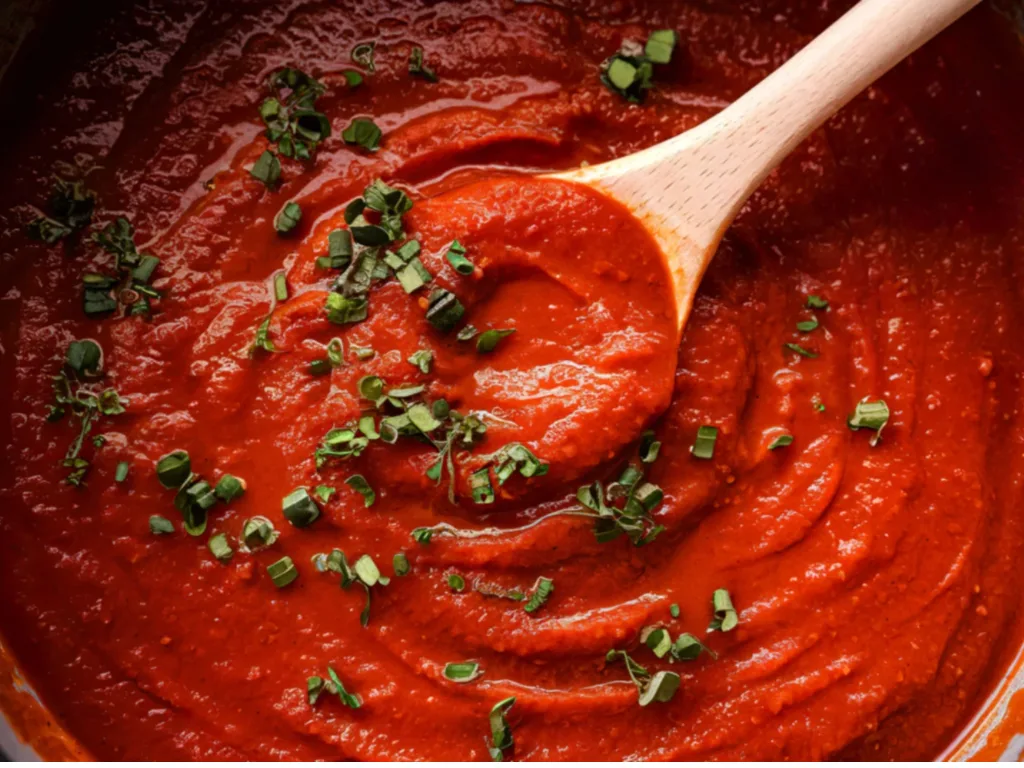
Rice Syrup Applications in Sauces, Dressings, and Ready Meals
Beyond bakery and snacks, rice syrup applications in food industry sauces are increasingly common.
Flavor Balancing in Sauces
Rice syrup adds mild sweetness without dominating flavor systems. In barbecue sauces, teriyaki, marinades, and Asian-inspired condiments, it:
- Balances acidity
- Enhances gloss
- Improves mouthfeel
Viscosity and Body Control
Its natural thickness contributes to improved body without requiring additional stabilizers. This is valuable in clean-label sauces where minimizing additives is a priority.
Browning and Glazing
Rice syrup assists caramelization during roasting or grilling. It supports glaze adhesion in ready-to-eat meats and plant-based protein alternatives.
Rice Syrup Applications in Plant-Based and Dairy Alternatives
As plant-based beverages and dairy alternatives expand, rice syrup provides sweetness and texture enhancement.
In oat drinks, almond beverages, and protein-enriched shakes, rice syrup:
- Smooths mouthfeel
- Improves body
- Supports mild sweetness
When combined with rice protein isolate or pea protein isolate, it reduces astringency and improves overall sensory balance.
In dairy-free yogurt and frozen desserts, rice syrup contributes to freezing point control and creaminess.
For manufacturers working with plant proteins from Satoria Nutrisentials’ portfolio, rice syrup can act as a complementary carbohydrate solution that enhances overall system performance.
Regulatory and Labeling Considerations
Rice syrup is generally recognized as safe (GRAS) in many regulatory jurisdictions when produced under appropriate manufacturing standards.
For manufacturers, labeling considerations include:
- “Rice syrup” or “brown rice syrup” declaration
- Non-GMO verification (if applicable)
- Organic certification (if sourced accordingly)
- Gluten-free compliance
As transparency expectations increase, ingredient traceability and documentation become essential. Partnering with ingredient suppliers that provide technical documentation, specification sheets, and compliance support reduces formulation risk.
How Rice Syrup Integrates with Broader Ingredient Systems
Rice syrup rarely functions in isolation. In advanced product development, it interacts with proteins, fibers, sweeteners, and texturizers.
Examples of integrated systems include:
- Rice syrup + pea protein isolate for protein bars
- Rice syrup + resistant dextrin for fiber-enriched snacks
- Rice syrup + steviol glycosides for reduced-sugar solutions
- Rice syrup + rice protein for allergen-conscious bakery
This systems-based approach aligns with Satoria Nutrisentials’ ingredient portfolio strategy — offering synergistic solutions rather than single-ingredient transactions.
Manufacturers seeking scalable, plant-based, and technically reliable solutions benefit from understanding how rice syrup applications in food industry development can be optimized through ingredient partnerships.
Partner with Satoria Nutrisentials for Functional Carbohydrate Solutions
Rice syrup is more than a sweetener — it is a multifunctional ingredient that enhances structure, moisture, binding, browning, and sensory appeal across bakery, snack bars, sauces, dairy alternatives, and nutritional products.
At Satoria Nutrisentials, our commitment to ingredient innovation extends across plant proteins, functional fibers, sweeteners, and carbohydrate systems designed for modern food manufacturing.
If you are developing:
- High-protein snack bars
- Gluten-free bakery
- Clean-label sauces
- Plant-based beverages
- Fiber-enriched functional foods
Our technical team can help you integrate rice syrup with complementary ingredients from our portfolio to create stable, scalable, and market-ready formulations.
Start Your Next Formulation with Confidence
Connect with Satoria Nutrisentials to request product specifications, technical documentation, and formulation guidance tailored to your application.
Let’s build smarter ingredient systems together.
Reference
- U.S. Food & Drug Administration. (2022). Generally Recognized as Safe (GRAS) substances. Retrieved from https://www.fda.gov/food/food-ingredients-packaging/generally-recognized-safe-gras
- Institute of Food Technologists. (2020). Carbohydrates in food systems: Functionality and applications. Retrieved from https://www.ift.org
- Fellows, P. (2017). Food processing technology: Principles and practice. Woodhead Publishing. Retrieved from https://www.sciencedirect.com/book/9780081019078/food-processing-technology
- USDA Agricultural Research Service. (2021). Carbohydrate composition of sweeteners. Retrieved from https://fdc.nal.usda.gov
- Codex Alimentarius Commission. (2019). General standard for food additives. Retrieved from https://www.fao.org/fao-who-codexalimentarius
- Food and Agriculture Organization of the United Nations. (2018). Carbohydrates in human nutrition. Retrieved from https://www.fao.org
Featured News
Category
Get a Promo and Keep Updated