
Oat Fiber vs Resistant Dextrin: Which Soluble Fiber Ingredient Is Right for Your Formulation?
GLP-1 Diet Food Formulation: What Food Manufacturers Need to Know in 2026
May 7, 2026
General - Articles
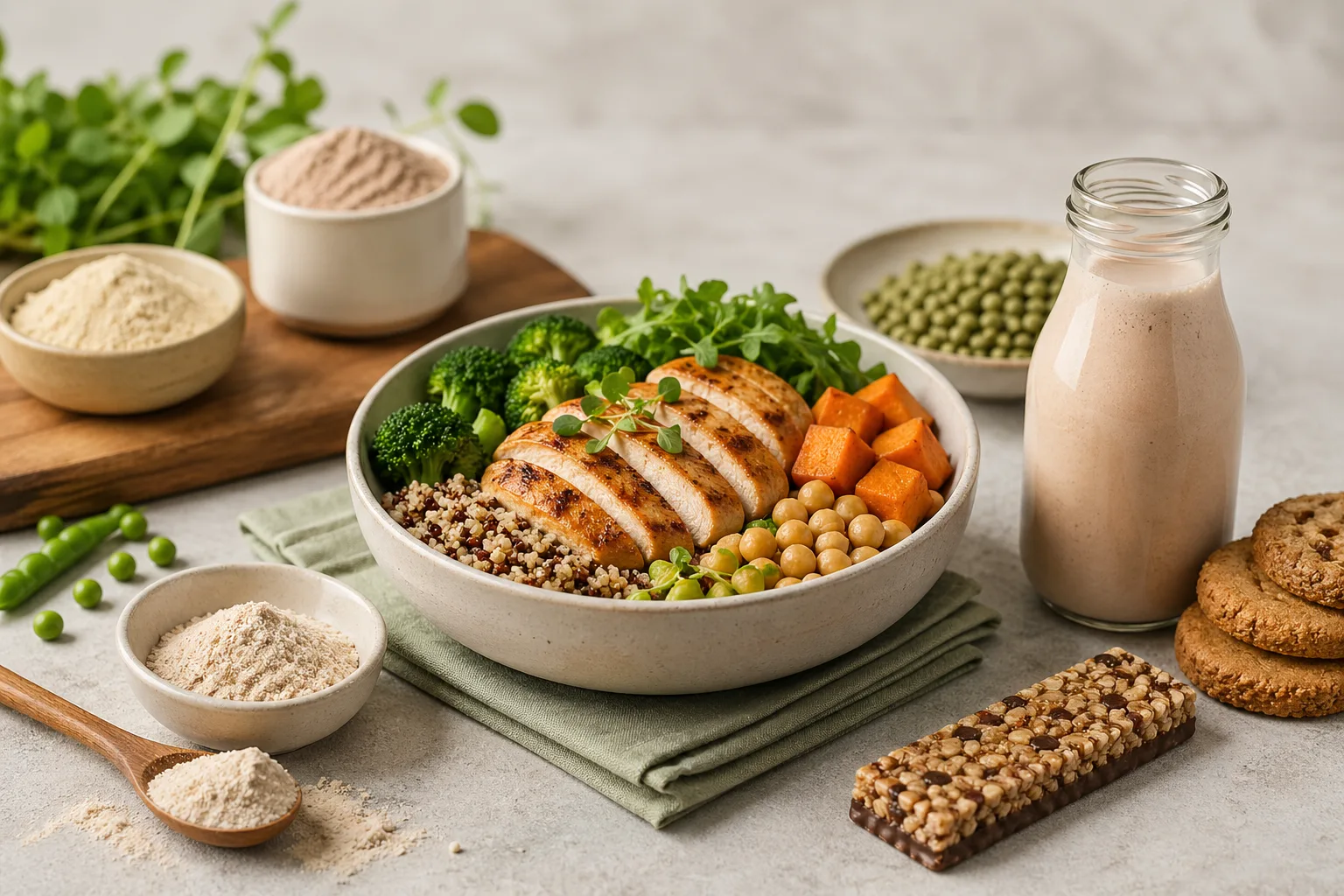
Something significant has shifted in the food and beverage industry over the past two years. The rise of GLP-1 receptor agonist medications — drugs like semaglutide and tirzepatide, sold under brand names such as Ozempic and Mounjaro — has created a new consumer segment that the CPG world simply cannot ignore. Millions of people worldwide are now eating less, feeling full faster, and rethinking what they want to put in their bodies.
So, what does that mean for food manufacturers? A lot, actually. The GLP-1 consumer food market is projected to be one of the most transformative forces in food innovation this decade. And for companies engaged in CPG product development, the question is no longer whether to respond — it’s how to respond strategically, and fast.
This article breaks down everything you need to understand about GLP-1 diet food formulation: what these consumers need nutritionally, which ingredients matter most, and how to build products that genuinely serve this rapidly growing audience.
Understanding the GLP-1 Consumer: Who Are You Really Formulating For?
Before diving into ingredients and formulation strategy, it helps to understand the person on the other end of your product. GLP-1 users — whether on prescription medication or seeking to support their body’s natural GLP-1 production through diet — share a distinctive nutritional profile that sets them apart from general health-conscious consumers.
People on GLP-1 medications typically experience significantly reduced appetite and may only consume 800–1,200 calories per day. That’s a dramatic caloric restriction that, without careful food choices, puts them at real risk of protein deficiency, micronutrient gaps, and muscle loss. This is where food as medicine formulation becomes genuinely critical.
What GLP-1 users typically need from food:
- High protein density in small serving sizes to protect lean muscle mass
- Adequate dietary fiber to support gut motility and digestive comfort
- Low sugar content to prevent glucose spikes and support metabolic health
- Easy-to-digest formats, since nausea is a common side effect of GLP-1 medications
- Nutrient density — every calorie needs to count, making nutrient-dense food for weight loss essential
The opportunity here for food manufacturers is clear: reformulated snack for GLP-1 market demand is real, urgent, and still largely underserved. The brands that move quickly and thoughtfully will capture significant loyalty from this emerging segment.
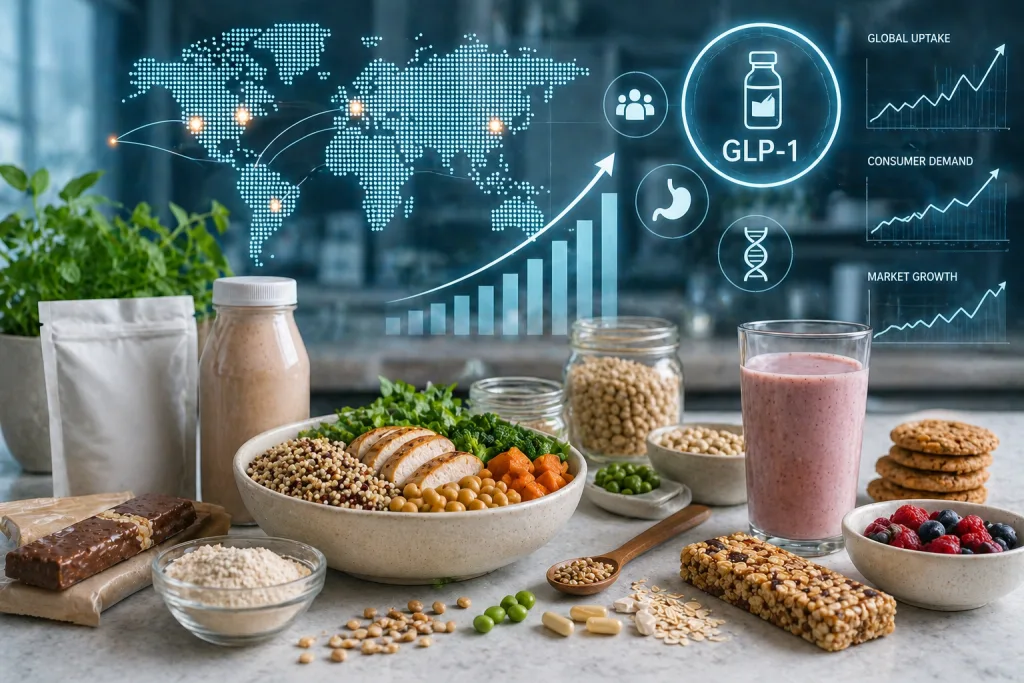
Why GLP-1 Food and Beverage Innovation Is a 2026 Priority
The numbers speak for themselves. Estimates suggest that over 30 million Americans alone were using GLP-1 medications by the end of 2025, with global uptake growing rapidly across Europe, Asia-Pacific, and Latin America. As these medications become more accessible and more affordable, the user base will only expand.
For the food industry, this represents a dual opportunity. First, there is the direct market of GLP-1 users who are actively seeking GLP-1 compatible snacks and meals that fit their new eating patterns. Second, there is the broader ‘food tech GLP-1 trend’ wave — a growing consumer awareness of foods and ingredients that may naturally support the body’s own GLP-1 secretion, creating demand even among people not taking medication.
Research has shown that certain dietary components — particularly soluble fiber and specific proteins — can stimulate natural GLP-1 release from intestinal L-cells. This means 2026 food reformulation for weight management is not only about catering to medication users; it’s about developing products that support metabolic health more broadly.
Food brands and ingredient suppliers who position themselves now within the GLP-1 food and beverage space are setting themselves up for sustained, long-term relevance. The early movers in this space will define the category standards.
Key Formulation Principles for GLP-1 Compatible Foods
Protein: The Non-Negotiable Foundation
Protein is arguably the single most critical macronutrient in any GLP-1 food product development strategy. Not only does protein help preserve muscle mass during caloric restriction, but research suggests that high-protein meals themselves may stimulate GLP-1 secretion — creating a genuine synergy between food composition and the medication’s mechanism.
For small portion nutrient-dense meals and snacks, plant-based proteins such as pea protein isolate and rice protein isolate offer a clean-label advantage. They deliver excellent amino acid coverage without the digestive discomfort that can be amplified in GLP-1 medication users, who may already be experiencing gastrointestinal sensitivity.
Fiber: Satiety, Gut Health, and GLP-1 Synergy
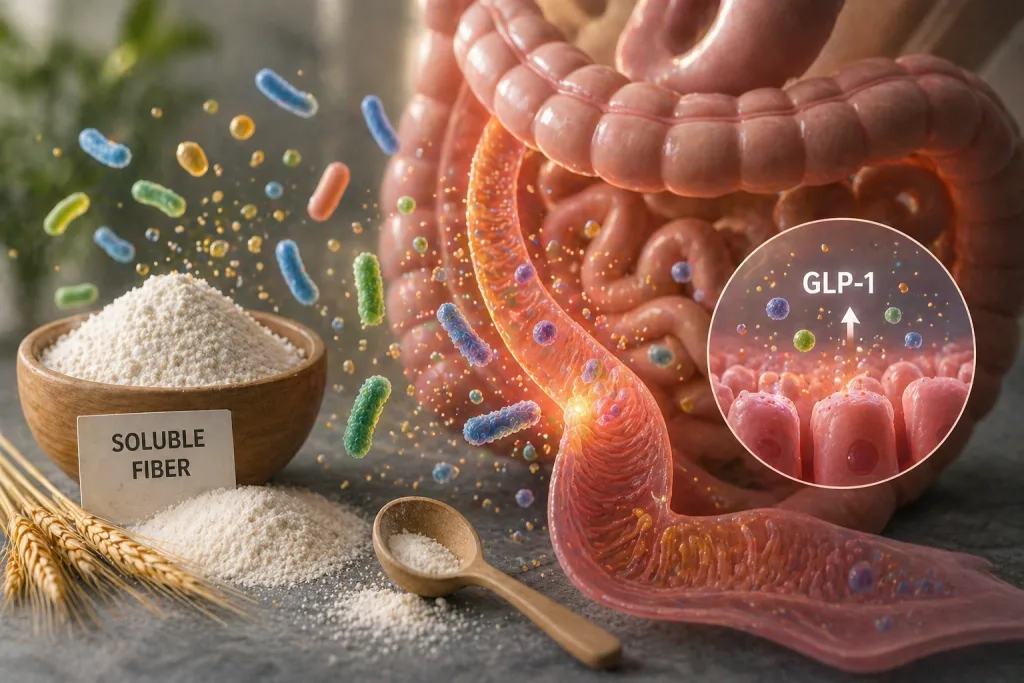
Soluble dietary fiber plays a multifaceted role in GLP-1-friendly food formulation. It slows gastric emptying, which prolongs the sensation of fullness — a valuable effect for users who are already managing reduced appetite. More importantly, fermentable soluble fiber feeds the gut microbiome, which in turn supports the natural production of GLP-1 from intestinal cells.
Resistant dextrin, a form of soluble prebiotic fiber, is particularly well-suited to this application. It is heat-stable, virtually tasteless, and can be incorporated into a wide range of formats — from beverages and bars to baked goods and soups — without altering texture or flavor profiles. These properties make it a versatile satiety ingredient food manufacturer teams are increasingly turning to.
Reducing Sugar Without Sacrificing Experience
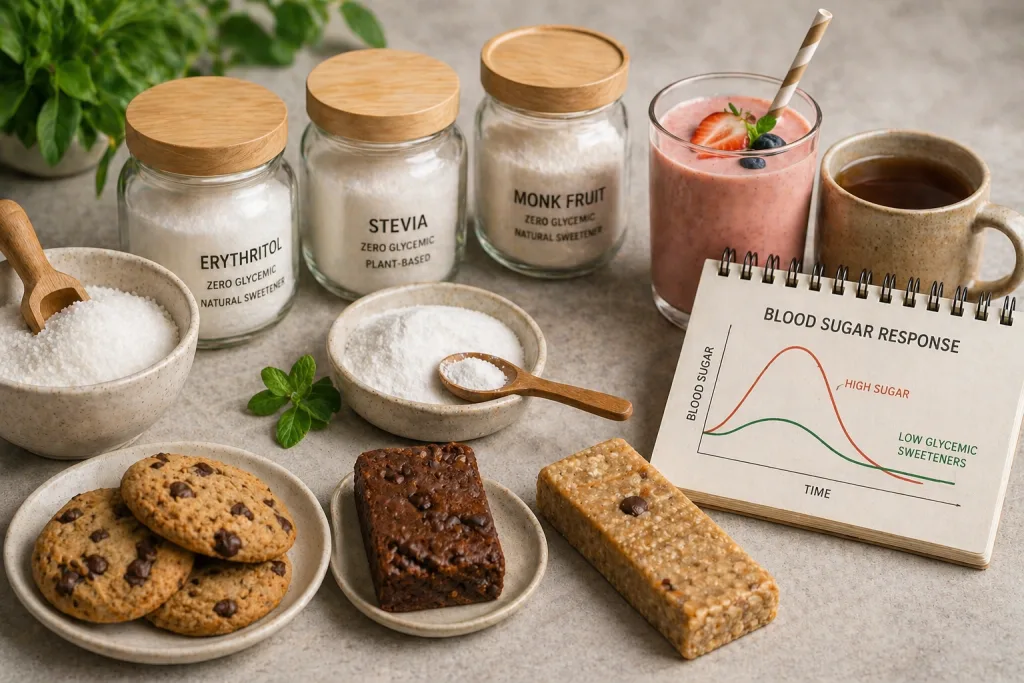
Blood sugar management is a key concern for GLP-1 users, many of whom are managing type 2 diabetes or insulin resistance alongside weight loss. Formulating with low-glycemic or zero-glycemic sweeteners is therefore not a nice-to-have — it is a core requirement of any GLP-1 friendly food formulation.
The challenge is maintaining palatability. Consumers using GLP-1 medications often find that they have heightened sensitivity to overly sweet or artificially flavored products. Clean-label sugar alternatives that deliver subtle, natural sweetness are consistently preferred.

Format and Texture: Meeting Consumers Where They Are
One of the most underappreciated aspects of GLP-1 food product development is format design. A person who can comfortably eat only a small amount per sitting needs food that delivers maximum nutrition in that small window. Dense, chewy textures may feel overwhelming; light, easily-consumed formats tend to perform better in this consumer segment.
Functional food for appetite suppression that comes in approachable formats — think high-protein beverages, compact nutrient-dense bars, soft baked items, or easy-to-portion sachets — is most likely to generate repeat purchase among GLP-1 users.
The Business Case for GLP-1 Food Reformulation
Let’s talk commercial reality for a moment. GLP-1 food reformulation is not just a public health endeavour — it is a significant business opportunity. Market analysts at major consulting firms estimate that the GLP-1 consumer food market could reach tens of billions of dollars in value within the next five years. Startups and established CPG brands alike are racing to stake their claim.
For a GLP-1 food startup or an established brand considering pivoting into this space, the barriers to entry are lower than many assume — provided you have access to the right ingredient partners. The core formulation principles (high protein, high fiber, low sugar, appropriate portion design) are well within reach for manufacturers already familiar with functional food development.
What separates winners from also-rans in this market will be the quality and credibility of their ingredients. Consumers choosing food for GLP-1 users are highly engaged and research-oriented — they read labels, follow nutritional science, and are quick to reject products that feel opportunistic rather than genuinely supportive. This makes ingredient provenance, certification, and transparency especially important in GLP-1 food innovation.
Partnering with a qualified GLP-1 food ingredient supplier that holds internationally recognized food safety certifications is, therefore, not simply a procurement decision — it’s a brand integrity decision.
GLP-1 Food Innovation in Practice: What Product Categories Are Emerging?
Across the GLP-1 consumer food market, several product categories are emerging as particularly promising for food innovators and CPG product development teams:
- High-protein, portion-controlled snack bars designed for GLP-1 compatible snacks — typically featuring 15–20g protein per serving in a compact, easy-to-eat format
- Fiber-enriched beverages and meal replacement drinks that deliver satiety without volume, ideal as food for GLP-1 users who struggle with traditional meal sizes
- Reformulated soups and soft-textured ready meals that are nutrient-dense, easy to digest, and blood sugar-friendly
- Low-sugar, high-fiber baked goods positioned as GLP-1 diet food products for everyday snacking
- Functional powder supplements and sachets designed to boost the nutritional profile of home-cooked meals
Each of these categories requires a thoughtful approach to ingredient selection, and each benefits enormously from working with a knowledgeable GLP-1 food ingredient supplier that understands both the nutritional science and the manufacturing practicalities.
Ingredient Spotlight: What to Look for in Your Supply Chain
Not all ingredients are created equal when it comes to GLP-1 diet food formulation. Here are the key functional ingredient categories that should be on every formulator’s radar:
- Soluble prebiotic fibers (such as resistant dextrin) — for satiety, gut health, and natural GLP-1 support
- Plant-based protein isolates (pea, rice) — for high protein density with clean-label appeal and good digestive tolerance
- Low-glycemic sweeteners — for blood sugar management without sacrificing consumer acceptance
- Functional carbohydrates with controlled glycemic response — for sustained energy without glucose spikes
For companies navigating GLP-1 food and beverage innovation, sourcing these ingredients from a manufacturer that can demonstrate food safety certification, non-GMO credentials, and consistent quality at scale is essential. The food tech GLP-1 trend is unforgiving of quality lapses — one viral consumer complaint about a product that doesn’t deliver can set back an entire brand.
Satoria Nutrisentials’ product portfolio is directly aligned with these formulation needs. Their resistant dextrin is a standout ingredient for GLP-1 diet food products — a soluble prebiotic fiber that is thermally stable, flavour-neutral, and proven to support satiety and blood sugar management. Alongside their pea protein isolate, rice protein isolate, and natural sweetener range, Satoria offers food manufacturers a coherent, certified ingredient toolkit purpose-built for the demands of GLP-1 food product development. Explore the full range at satorianutrisentials.com/products/.
Ready to Formulate for the GLP-1 Consumer? Let’s Build Something Innovative
The GLP-1 consumer food market is not a passing trend — it’s a fundamental shift in how millions of people relate to food. Whether you’re a startup developing your first GLP-1 compatible snack or an established brand embarking on 2026 food reformulation for weight management, the foundation of your success will be the quality of your ingredients and the expertise of your supply partners.
Satoria Nutrisentials is an integrated food manufacturing solutions partner for forward-thinking F&B brands. With a range of FSSC 22000 certified, non-GMO, and halal-certified functional ingredients — including resistant dextrin, pea and rice protein isolates, and natural sweeteners — Satoria is equipped to support your GLP-1 food innovation journey from concept to scale.
Explore Satoria Nutrisentials’ full product catalogue at satorianutrisentials.com/products/ and discover how the right ingredients can help you build products that genuinely serve the GLP-1 consumer — and earn their lasting loyalty.
References
- Drucker, D. J. (2018). Mechanisms of action and therapeutic application of glucagon-like peptide-1. Cell Metabolism, 27(4), 740–756. https://doi.org/10.1016/j.cmet.2018.03.001
- Müller, T. D., Finan, B., Bloom, S. R., D’Alessio, D., Drucker, D. J., Flatt, P. R., … & Tschöp, M. H. (2019). Glucagon-like peptide 1 (GLP-1). Molecular Metabolism, 30, 72–130. https://doi.org/10.1016/j.molmet.2019.09.010
- Holst, J. J., Gribble, F., Horowitz, M., & Rayner, C. K. (2016). Roles of the gut in glucose homeostasis. Diabetes Care, 39(6), 884–892. https://doi.org/10.2337/dc16-0351
- Baer, D. J., Stote, K. S., Henderson, T., Paul, D. R., Okuma, K., Tagami, H., … & Rumpler, W. V. (2014). The metabolizable energy of dietary resistant maltodextrin is variable and alters fecal microbiota composition in adult men. The Journal of Nutrition, 144(7), 1023–1029. https://doi.org/10.3945/jn.113.189480
- Leidy, H. J., Clifton, P. M., Astrup, A., Wycherley, T. P., Westerterp-Plantenga, M. S., Luscombe-Marsh, N. D., … & Mattes, R. D. (2015). The role of protein in weight loss and maintenance. The American Journal of Clinical Nutrition, 101(6), 1320S–1329S. https://doi.org/10.3945/ajcn.114.084038
- Delannoy-Bruno, O., Desai, C., Requiring, A., Han, H., Orber, B., & Gordon, J. I. (2021). Evaluating microbiome-directed fibre snacks in gnotobiotic mice and humans. Nature, 595(7865), 91–95. https://doi.org/10.1038/s41586-021-03671-4
- National Institute of Diabetes and Digestive and Kidney Diseases. (2023). GLP-1 receptor agonists for type 2 diabetes and weight management. U.S. Department of Health and Human Services. https://www.niddk.nih.gov/health-information/diabetes/overview/insulin-medicines-treatments
- World Health Organization. (2024). Obesity and overweight fact sheet. https://www.who.int/news-room/fact-sheets/detail/obesity-and-overweight
Featured News
Category
Get a Promo and Keep Updated