
Pea Protein and Resistant Dextrin in Meat Analog Formulation: A Manufacturer’s Guide
What is Pea Maltodextrin Used For? A Practical Guide for Food and Beverage Manufacturers
March 20, 2026
Protein & Nutritional Enhancers - Articles
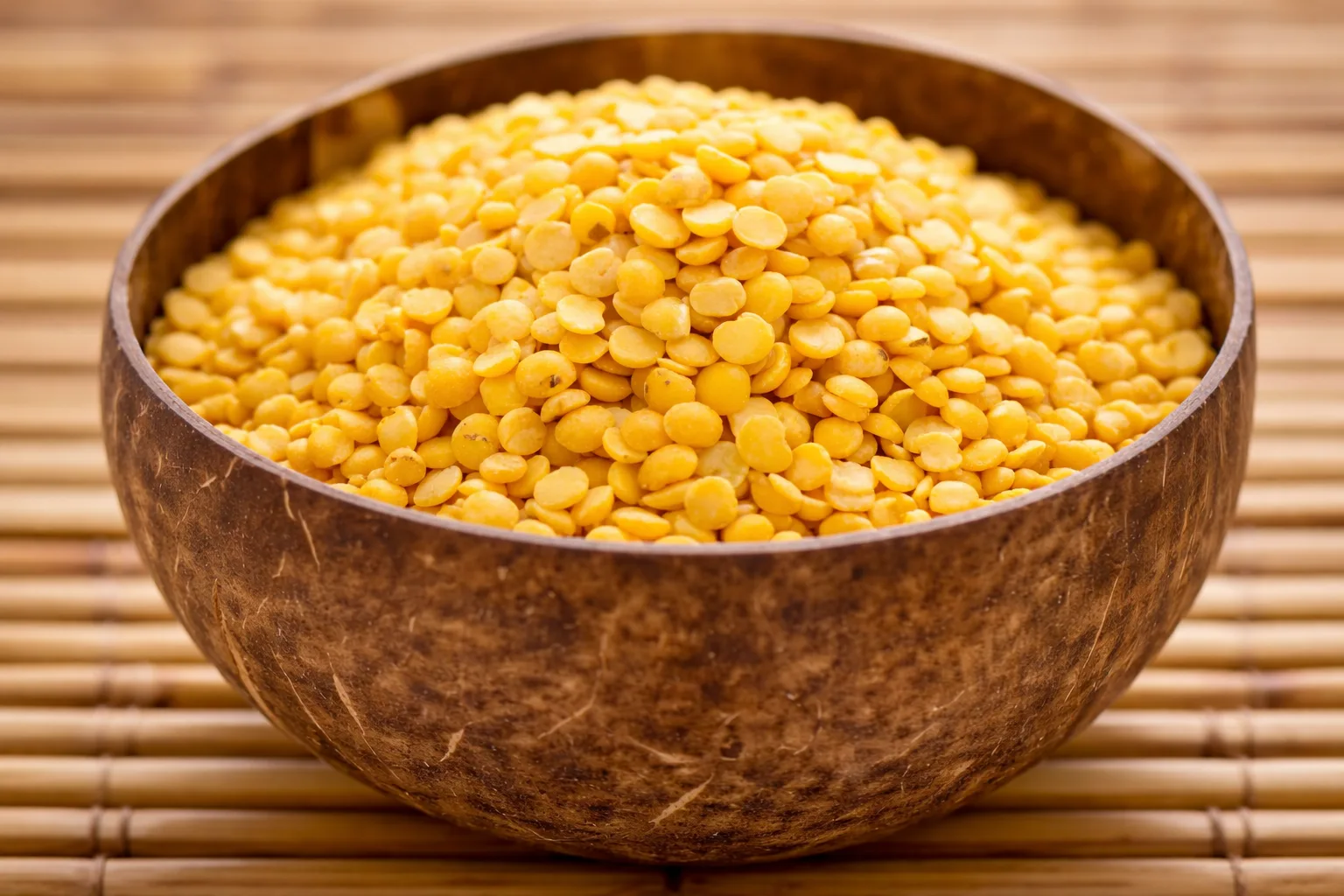
Pea maltodextrin is gaining attention among food and beverage manufacturers looking for plant-based, functional carbohydrate ingredients that support modern product development. As consumer demand shifts toward clean-label, plant-based, and allergen-friendly formulations, ingredient choices have become more strategic than ever.
Understanding what pea maltodextrin is used for can help manufacturers optimize texture, stability, and energy delivery in a wide range of products—from sports nutrition beverages to bakery products and nutritional supplements.
Derived from yellow peas, pea maltodextrin offers a versatile carbohydrate solution that supports formulation performance while aligning with growing consumer expectations around sustainability and transparency. For manufacturers working in categories like plant-based foods, protein snacks, and functional beverages, this ingredient can play a valuable role in both product functionality and product positioning.
In this guide, we explore what pea maltodextrin is, why it matters in modern food manufacturing, and how brands can leverage it in practical applications.
Understanding Pea Maltodextrin
Pea maltodextrin is a carbohydrate ingredient produced by enzymatically breaking down pea starch into shorter chains of glucose molecules. This process creates a fine, water-soluble powder that dissolves easily in liquids and provides functional benefits in food systems.
Like other maltodextrins, it is classified as a glucose polymer derived from starch, but the source material—yellow peas—makes it particularly attractive for plant-based and allergen-friendly formulations.
How Pea Maltodextrin Is Produced
The manufacturing process typically includes:
- Extraction of starch from yellow peas
- Enzymatic hydrolysis to break down starch chains
- Purification and filtration
- Spray drying into a fine powder
The result is a neutral-tasting carbohydrate ingredient that integrates easily into various formulations without overpowering flavor profiles.
Key Functional Properties
Food manufacturers often choose pea maltodextrin because of its balanced functional characteristics:
- High water solubility
- Mild flavor and low sweetness
- Rapid digestibility for quick energy
- Stability under heat processing
- Compatibility with plant-based ingredients
These properties make it useful across a wide spectrum of applications—from beverage systems to dry powder formulations.
Why Food Manufacturers Use Pea Maltodextrin
In modern product development, ingredients are evaluated not only for nutritional value but also for their functional performance in formulation.
Pea maltodextrin provides several benefits that help manufacturers create products that meet both technical and market requirements.
1. Texture and Mouthfeel Enhancement
One of the primary uses of maltodextrin ingredients is improving texture.
Pea maltodextrin can:
- Provide body and thickness in beverages
- Improve mouthfeel in reduced-fat foods
- Create smooth texture in powdered drink mixes
- Prevent gritty textures in protein formulations
In plant-based formulations, texture challenges often arise when replacing dairy or animal proteins. Pea maltodextrin helps stabilize the formulation while maintaining desirable sensory qualities.
2. Rapid Energy Delivery
Because maltodextrins are rapidly digestible carbohydrates, they provide a quick source of glucose for the body. This makes them particularly useful in sports nutrition and performance products.
Maltodextrin typically has a high glycemic index, which allows fast absorption and replenishment of glycogen stores during or after exercise.
This characteristic makes pea maltodextrin a common ingredient in:
- Energy drinks
- Sports hydration beverages
- Recovery shakes
- Energy gels
For manufacturers in the sports nutrition sector, pea-based maltodextrin offers a plant-derived alternative to traditional corn-based options.
3. Bulking and Carrier Agent
Another important use case is acting as a bulking agent or carrier ingredient.
Pea maltodextrin can help:
- Stabilize powdered ingredients
- Carry flavors and aromas
- Improve flow properties in dry mixes
- Prevent clumping during processing
This functionality is particularly valuable in:
- Instant beverage powders
- Nutritional supplements
- protein blends
- flavored drink powders
Maltodextrins are widely used in food manufacturing because they help build texture and carry flavors while remaining neutral in taste.
4. Encapsulation and Ingredient Protection
Pea maltodextrin is also used in microencapsulation technologies, where sensitive ingredients such as flavors, oils, or vitamins are coated to protect them during processing.
Encapsulation benefits include:
- Improved shelf stability
- Protection against oxidation
- Controlled flavor release
- Better ingredient dispersion
This capability is useful for developing products like powdered beverages, instant soups, or fortified nutrition products.
Key Applications of Pea Maltodextrin in the Food Industry
Understanding what pea maltodextrin is used for becomes clearer when examining its practical applications across food categories.

Sports Nutrition and Energy Drinks
Sports nutrition is one of the largest application areas for maltodextrin ingredients.
Pea maltodextrin works well in formulations such as:
- endurance drinks
- energy powders
- hydration beverages
- pre-workout supplements
These products benefit from quick carbohydrate delivery and high solubility, which ensures smooth mixing without residue.
Meal Replacement and Functional Nutrition
Meal replacement products require ingredients that provide both energy and formulation stability.
Pea maltodextrin can contribute to:
- balanced carbohydrate content
- improved mouthfeel in liquid meal replacements
- stable powder blends for ready-to-mix shakes
Combined with ingredients like pea protein isolate from Satoria Nutrisentials, manufacturers can create plant-based nutrition products that support active lifestyles.
Beverages and Smoothies
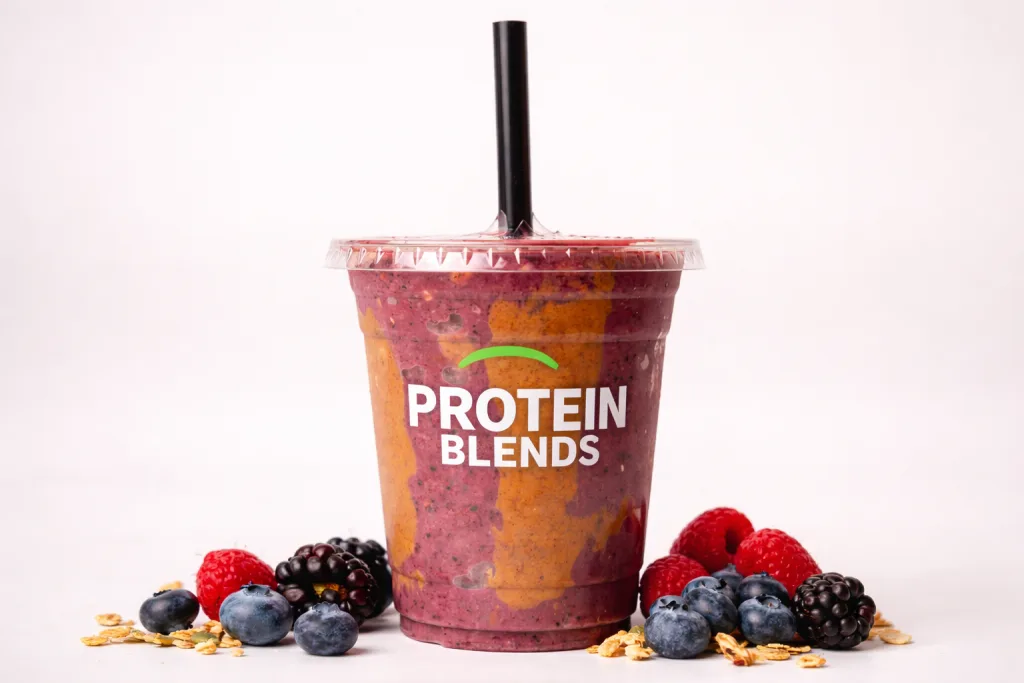
In beverage systems, solubility and clarity are essential.
Pea maltodextrin helps maintain:
- consistent viscosity
- smooth mouthfeel
- stable suspension of functional ingredients
This makes it useful in applications such as:
- ready-to-drink protein beverages
- smoothie powders
- fortified health drinks
Because it dissolves easily in water and has a mild flavor, it integrates well without affecting the final taste profile.

Baked Goods
Pea maltodextrin also supports bakery innovation.
In baked products, it can:
- improve crumb structure
- enhance moisture retention
- provide mild sweetness without overpowering flavor
Common bakery applications include:
- protein-enriched bread
- energy cookies
- functional snack bars
- high-protein pastries
These formulations often combine pea maltodextrin with other plant-based ingredients such as pea protein or dietary fiber.
Protein Bars and Functional Snacks
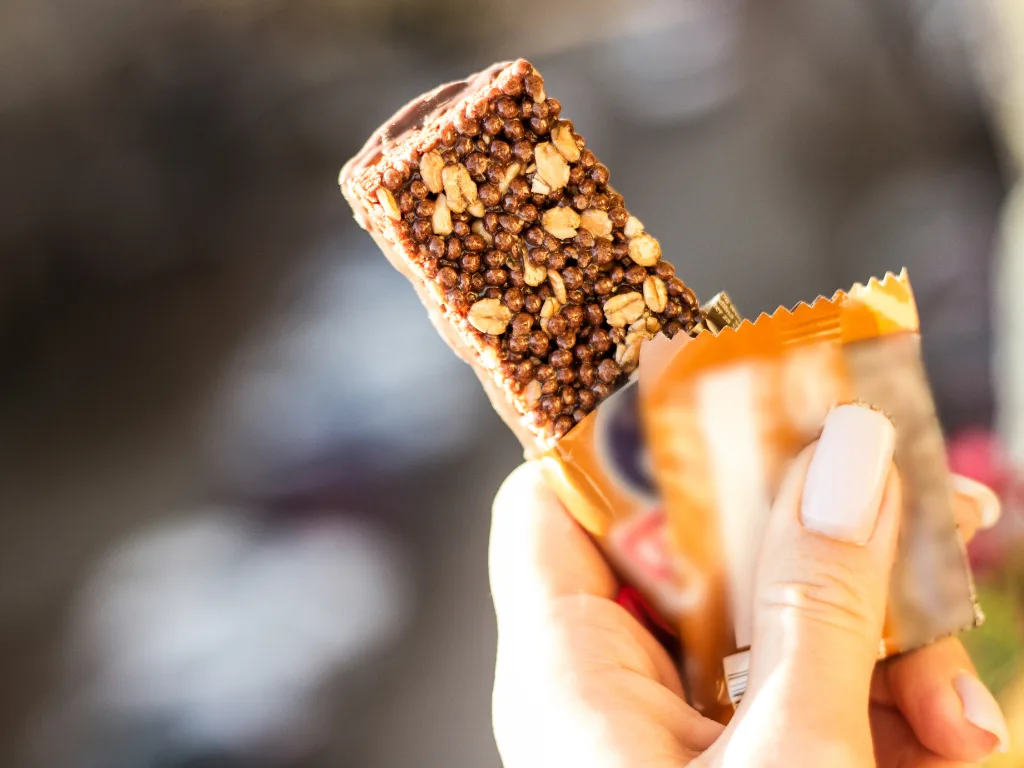
The global growth of high-protein snack products has created demand for ingredients that balance texture and nutrition.
Pea maltodextrin can:
- improve chewiness in bars
- stabilize protein matrices
- prevent excessive hardness during storage
For manufacturers producing protein bars, combining pea maltodextrin with plant proteins helps achieve a smoother texture and more stable structure.
Advantages of Pea Maltodextrin Compared to Conventional Sources
Traditional maltodextrin is often derived from corn, wheat, or potato starch.
However, pea-derived maltodextrin offers several advantages for brands targeting modern food trends.
Plant-Based and Allergen-Friendly
Peas are naturally free from common allergens such as dairy, soy, and gluten.
This allows manufacturers to develop products that meet “free-from” claims, which are increasingly important in global food markets.
Non-GMO Positioning
Yellow peas are commonly associated with non-GMO agricultural production, making pea-derived ingredients appealing for clean-label product development.
Sustainability
Pea cultivation generally requires less water and fertilizer compared to some other crops.
For food brands emphasizing environmental responsibility, pea-based ingredients can support sustainability narratives.
Formulation Considerations When Using Pea Maltodextrin
While pea maltodextrin is versatile, successful formulation requires thoughtful integration with other ingredients.
Manufacturers should consider:
Ingredient Compatibility
Pea maltodextrin works well with:
- pea protein isolate
- resistant dextrin fiber
- natural sweeteners
- plant-based fats
Combining these ingredients strategically allows brands to build products with balanced nutrition and appealing texture.
Glycemic Impact
Like other maltodextrins, pea maltodextrin is rapidly digestible and may contribute to quick blood glucose responses.
For products targeting metabolic health or low-sugar positioning, formulators often balance it with fibers such as resistant dextrin.
Flavor Balance
Although pea maltodextrin has a mild taste, formulation partners often combine it with:
- natural flavors
- Sweeteners
- cocoa or fruit systems
This ensures the final product maintains strong sensory appeal.
How Pea Maltodextrin Fits into Modern Functional Food Innovation
The food industry is evolving rapidly as consumers seek products that combine nutrition, convenience, and sustainability.
Pea maltodextrin fits well within several major industry trends:
- plant-based nutrition
- clean-label ingredients
- functional foods
- sports and performance nutrition
For food manufacturers, the ingredient provides both technical functionality and market relevance.
When combined with complementary ingredients—such as pea protein isolate, resistant dextrin fiber, and alternative sweeteners—pea maltodextrin can help create products that address multiple consumer needs simultaneously.
This integrated formulation approach is becoming essential as brands compete in increasingly sophisticated food categories.
Partner with Satoria Nutrisentials for Next-Generation Plant-Based Ingredients
As the demand for plant-based and functional ingredients continues to grow, manufacturers need reliable partners that provide both ingredient quality and formulation expertise.
Satoria Nutrisentials offers a portfolio of innovative solutions designed to support modern food and beverage development.
Our ingredient range includes:
- Pea Maltodextrin
- Pea Protein Isolate
- Fiberfit™ Resistant Dextrin
- Rice Syrup and Tapioca Syrup
- SweetSentials™ functional sweeteners
These ingredients enable manufacturers to create products that deliver performance, nutrition, and consumer appeal.
Whether you are developing sports nutrition beverages, protein snacks, bakery products, or functional foods, Satoria Nutrisentials provides the building blocks to help your formulations succeed.
Explore our ingredient portfolio or connect with our team to discover how Satoria Nutrisentials can support your next product innovation.
Reference
- Wikipedia. (2024). Maltodextrin. Retrieved from: https://en.wikipedia.org/wiki/Maltodextrin
- Satoria Nutrisentials. (2025). Pea Maltodextrin – Supplier & Manufacturer. Retrieved from: https://satorianutrisentials.com/pea-maltodextrin/
- Satoria Nutrisentials. (2025). Maltodextrin Glycemic Index: What Food & Beverage Brands Need to Know. Retrieved from: https://satorianutrisentials.com/article/maltodextrin-glycemic-index-what-food-beverage-brands-need-to-know/
- Palamatic Process. (2024). Powder Maltodextrin Applications. Retrieved from: https://www.palamaticprocess.com/en-us/powder-maltodextrin
- Roquette. (2026). Use of Pea Starch Maltodextrins in Nutraceutical Formulations. Retrieved from: https://www.roquette.com/health-pharma/resources/pea-starch-maltodextrins-in-nutraceutical-formulations
- Roquette. (2024). Maltodextrins in Food and Beverage Formulation. Retrieved from: https://www.roquette.com/food-nutrition/our-ingredients/maltodextrins
Featured News
Category
Get a Promo and Keep Updated