
Oat Fiber vs Resistant Dextrin: Which Soluble Fiber Ingredient Is Right for Your Formulation?
How to Reformulate Beverages with Sugar Alternatives: Tips, Challenges, and Best Practices
October 16, 2025
Natural Sweeteners - Articles
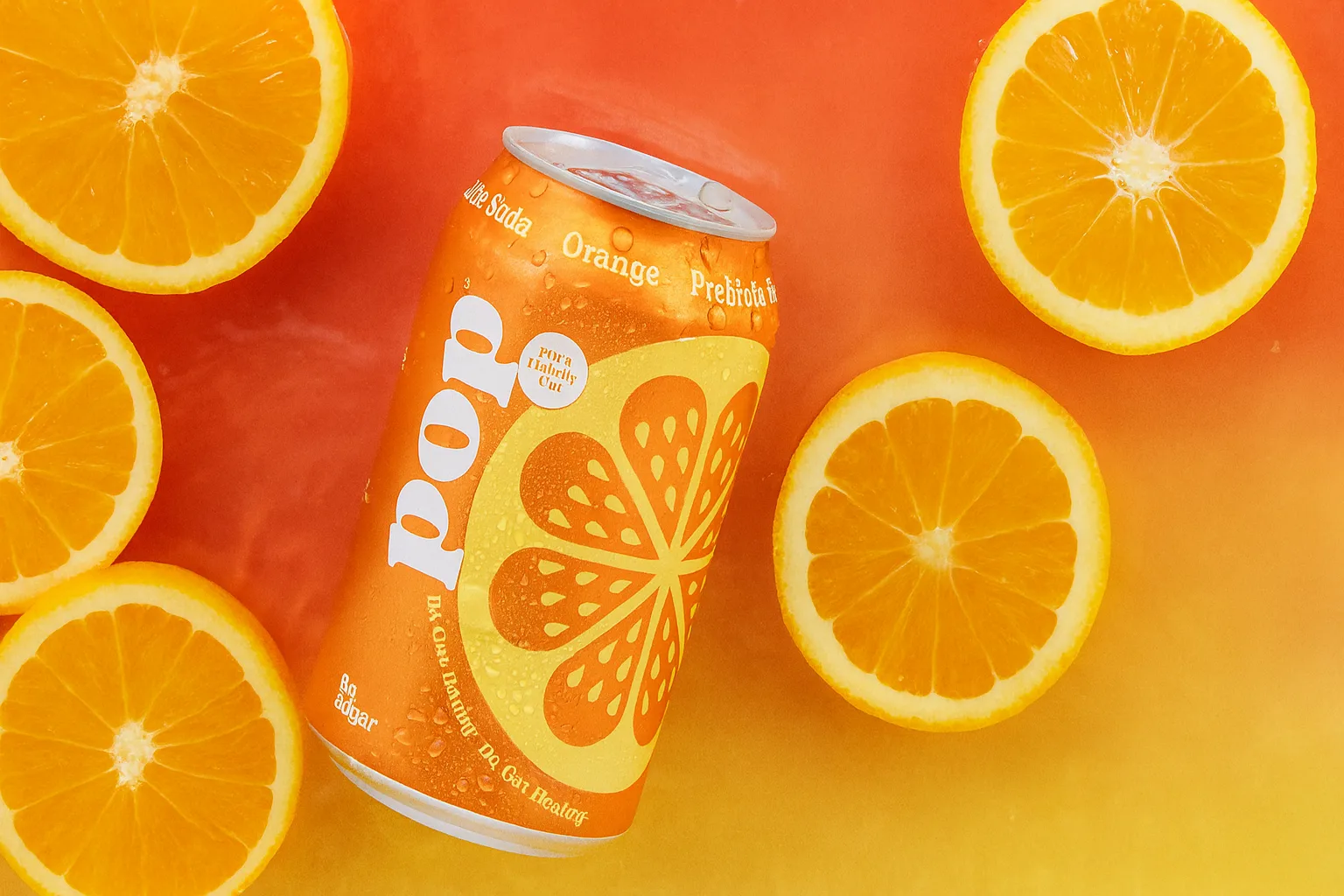
Consumer demand for healthier, low-sugar drinks is reshaping the beverage industry. From sparkling waters to functional teas and sports drinks, companies are reducing sugar and turning to sugar alternatives. However, reformulating beverages with sugar substitutes is not always straightforward. Each sweetener has unique functional and sensory characteristics that impact taste, stability, and overall consumer acceptance.
This guide explores the science and strategy behind beverage reformulation, with a focus on fiber-based sweeteners like SweetSentials, developed by Satoria Nutrisentials. You’ll learn about sugar replacement challenges, strategies for overcoming them, and best practices for achieving clean-label, health-conscious beverages without compromising taste.
The Rising Demand for Sugar Alternatives in Beverages
Health organizations, government regulations, and consumer preferences are fueling the move toward reduced-sugar beverages. Sugar taxes in multiple countries, rising rates of diabetes, and growing interest in low-carb and keto lifestyles have accelerated this demand.
Keywords like beverage reformulation sugar alternative, sugar replacement in drinks, and low sugar functional drinks are trending, showing how manufacturers are adapting. The shift is not just about reducing calories—it’s about creating drinks that support digestive health, satiety, and wellness.
Types of Sugar Alternatives in Beverages
When formulating a beverage, it’s important to understand how sugar substitutes behave in liquid systems. Each category has strengths and limitations.
Non-Nutritive Sweeteners
Non-nutritive sweeteners such as stevia, monk fruit, and sucralose deliver intense sweetness at very low doses. They have near-zero calories and do not raise blood sugar. However, in beverages they can leave aftertaste or bitterness, which may require masking.
Sugar Alcohols
Erythritol, xylitol, and other polyols provide sweetness with fewer calories than sugar. They add some bulk but can cause digestive discomfort in high amounts. In cold beverages, solubility issues can arise, leading to crystallization over time.
Fiber-Based Sweeteners
Sweeteners formulated with prebiotic fibers, such as resistant dextrin blends, are gaining attention. Products like SweetSentials combine fiber benefits with sugar-like taste, making them ideal for beverage reformulation. They support gut health, reduce glycemic impact, and improve mouthfeel and viscosity—two qualities often lost when sugar is removed.
Key Challenges in Beverage Reformulation
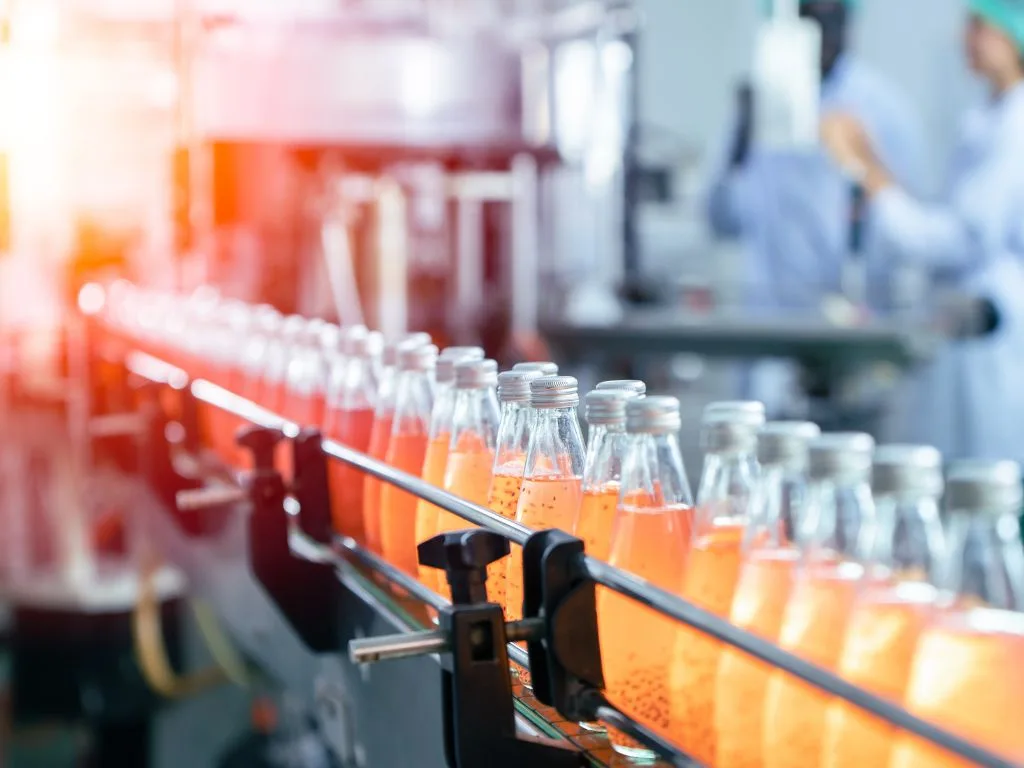
Replacing sugar in drinks is not as simple as swapping one ingredient for another. Beverage manufacturers face multiple challenges:
- Solubility and Stability – Some sugar alternatives dissolve poorly in cold drinks or precipitate during shelf life.
- Sweetness Curve – Sugar has a unique onset, peak, and duration of sweetness. Alternatives may be slower or faster, changing consumer perception.
- Mouthfeel and Texture – Sugar adds body and viscosity, which alternatives like SweetSentials help restore.
- Aftertaste – Some sweeteners have bitter or metallic notes that require masking agents.
- Regulatory Concerns – Labeling restrictions vary by country for “sugar-free” or “low-sugar” claims.
- Cost Efficiency – High-intensity sweeteners are cost-effective but need bulking agents for balanced formulations.
These factors highlight why beverage reformulation requires careful ingredient selection and testing.
Best Practices for Successful Sugar Replacement in Drinks
To overcome these challenges, formulators can use several proven strategies.
1. Use Blends for Balanced Sweetness
Combining sweeteners can mimic the sweetness curve of sugar more closely. For example, blending SweetSentials with stevia can balance taste while improving mouthfeel.
2. Improve Mouthfeel with Functional Ingredients
Hydrocolloids, fibers, or prebiotic blends restore viscosity and texture lost when sugar is removed. SweetSentials, as a fiber-based sweetener, naturally contributes body to beverages.
3. Optimize Solubility
Carefully control temperature during processing. Dissolving sugar alternatives in warm water before mixing helps prevent crystallization in ready-to-drink (RTD) beverages.
4. Conduct Sensory Testing
Consumer perception drives success. Blind taste tests ensure reduced-sugar drinks perform as well—or better—than traditional options.
5. Monitor Stability
Shelf-life tests under real conditions (heat, cold, freeze-thaw) ensure consistent quality. Fiber-based sweeteners often maintain clarity better than crystalline sugar alcohols.
Case Studies: Applying Sugar Alternatives in Beverage Categories
Iced Teas and Flavored Waters
Replacing sugar in iced tea requires a balance between sweetness and acidity. A blend of stevia for intensity and SweetSentials for bulk can deliver clean taste without bitterness.
Functional and Sports Drinks
Sports drinks require electrolytes, flavor, and energy without excessive sugar. SweetSentials adds prebiotic fiber for digestive benefits while maintaining solubility.
Dairy and Plant-Based Beverages
In milk alternatives and protein shakes, sugar reduction must not compromise texture. Fiber-based sweeteners help retain creaminess while supporting digestive health.
How SweetSentials Supports Beverage Reformulation
SweetSentials, developed by Satoria Nutrisentials, is designed to overcome the key challenges of sugar replacement in beverages.
- Solubility: Dissolves easily in both hot and cold beverages.
- Neutral Taste: Provides sugar-like sweetness without aftertaste.
- Gut Health Benefits: Its prebiotic fiber supports a healthy microbiome.
- 1:1 Replacement: Makes it easy for formulators to switch without complex recalculations.
- Clean Label: Non-GMO, vegan, gluten-free, and tooth-friendly.
For beverage developers seeking a sugar replacement in drinks that balances functionality, taste, and health benefits, SweetSentials offers a complete solution.
Testing and Validation Checklist
When introducing sugar alternatives into beverages, use this checklist:
- Sensory testing for sweetness curve and aftertaste
- Solubility checks at different temperatures
- Stability monitoring under storage conditions
- Microbial safety testing
- Labeling and regulatory compliance review
This structured approach ensures new formulations meet both industry standards and consumer expectations.
Creating the Next Generation of Healthy Beverages
Reformulating beverages with sugar alternatives is more than a trend—it is an industry imperative. By understanding the unique properties of non-nutritive sweeteners, sugar alcohols, and fiber-based solutions like SweetSentials, formulators can create drinks that are both delicious and health-conscious.
The future of beverages lies in products that deliver taste, function, and wellness benefits in one sip. With the right strategy and ingredients, reducing sugar no longer means sacrificing satisfaction.
Explore Sugar Alternative Solutions with Satoria Nutrisentials
At Satoria Nutrisentials, we support food and beverage brands with scientifically developed ingredients like SweetSentials. Whether you are reformulating iced teas, functional beverages, or plant-based drinks, our sugar alternative solutions can help you achieve clean-label, consumer-friendly products.
Contact us today to discuss formulation support, request samples, or explore our portfolio of functional ingredients.
References
- Food and Agriculture Organization. (2021). Guidelines on sugar reduction in food and beverages. FAO.
- International Food Information Council. (2022). Consumer perspectives on sugar reduction and sweeteners. Retrieved from https://foodinsight.org
- Luo, Y., Chen, M., & Wang, J. (2020). Advances in prebiotic fibers and their application in functional beverages. Journal of Functional Foods, 68, 103918.
- World Health Organization. (2023). Reducing sugar intake for better health. WHO.
- Zheng, Y., & Li, X. (2021). Sensory evaluation of sugar substitutes in low-sugar beverages. Food Science and Nutrition, 9(12), 6650–6661.
Featured News
Category
Get a Promo and Keep Updated