
Oat Fiber vs Resistant Dextrin: Which Soluble Fiber Ingredient Is Right for Your Formulation?
Low Glycemic Index Sweetener for Diabetic Food Products: A Strategic Guide for Modern Food Formulation
April 27, 2026
Natural Sweeteners - Articles
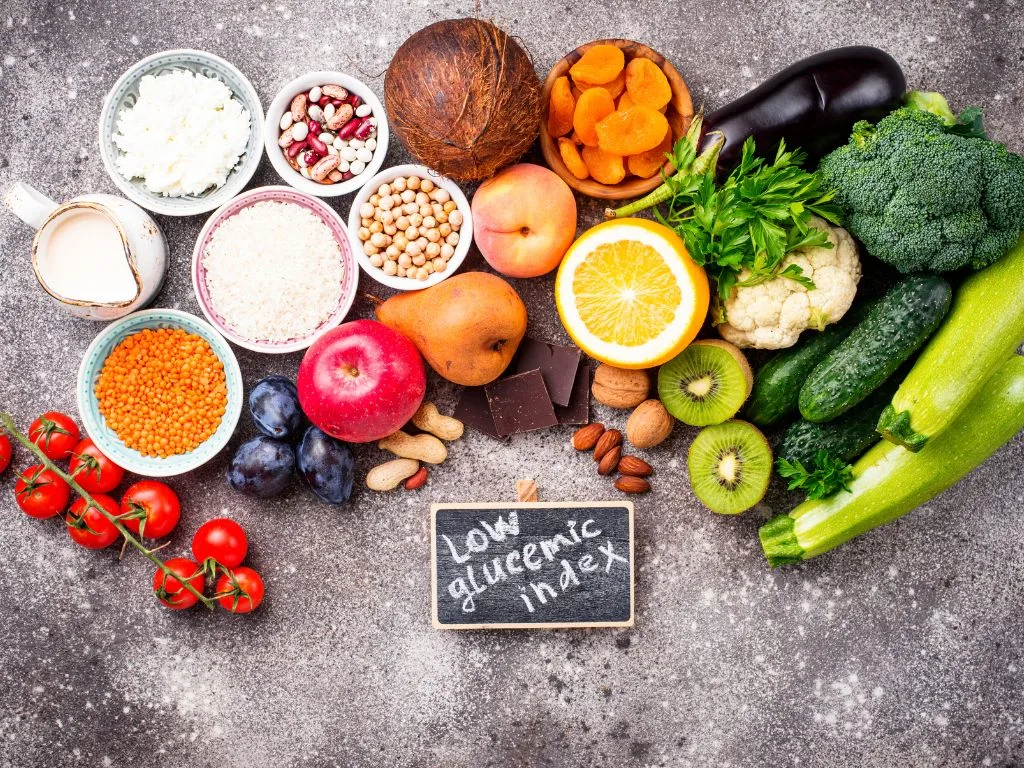
The demand for healthier food alternatives has accelerated significantly in recent years, particularly among consumers managing blood sugar levels. As diabetes prevalence continues to rise globally, food manufacturers are under increasing pressure to innovate with ingredients that support metabolic health without compromising taste or functionality.
One of the most critical components in this transformation is the use of a low glycemic index sweetener for diabetic food products. These sweeteners allow formulators to create products that deliver sweetness while minimizing blood glucose spikes—an essential requirement for diabetic-friendly foods.
For B2B food manufacturers, choosing the right sweetener goes beyond sweetness intensity. It involves understanding glycemic response, digestive tolerance, stability in processing, and compatibility with other ingredients. This is where functional ingredients such as resistant dextrin and plant-based fibers from Satoria Nutrisentials offer a competitive advantage.
Understanding Glycemic Index and Its Role in Food Formulation
The glycemic index (GI) is a ranking system that measures how quickly carbohydrates in food raise blood glucose levels. Foods with a high GI are rapidly digested and absorbed, leading to sharp spikes in blood sugar, while low GI foods are digested more slowly, resulting in gradual increases.
For diabetic food product development, targeting low GI formulations is critical. This is because maintaining stable blood glucose levels can help reduce complications associated with diabetes, improve energy balance, and support overall metabolic health.
A low glycemic index sweetener for diabetic food products typically has a GI value of 55 or less. However, the formulation challenge lies in replacing traditional sugars like sucrose, which not only provide sweetness but also contribute to texture, mouthfeel, and preservation.
Why Glycemic Index Matters for Manufacturers
From a product development perspective, GI is not just a nutritional metric—it is a marketing and regulatory consideration as well.
- Supports “low GI” or “diabetic-friendly” claims
- Aligns with global health trends and labeling requirements
- Enhances product positioning in functional and wellness categories
- Builds trust with health-conscious consumers
Key Characteristics of an Effective Low Glycemic Index Sweetener
Not all sweeteners are created equal, especially when it comes to diabetic food formulation. An effective solution must balance health benefits with technical performance.
Functional Requirements in Food Processing
When selecting a low glycemic index sweetener for diabetic food products, manufacturers should consider:
- Thermal stability for baking and cooking applications
- Solubility for beverages and liquid formulations
- Bulking properties to replace sugar volume
- Mouthfeel enhancement to maintain sensory quality
Nutritional and Health Considerations
From a nutritional standpoint, ideal sweeteners should:
- Have minimal impact on blood glucose levels
- Support digestive health (e.g., prebiotic effects)
- Be non-GMO and clean label-friendly
- Offer reduced caloric value
Satoria Nutrisentials’ resistant dextrin solutions stand out as they provide both functional sweetness support and dietary fiber benefits, making them ideal for diabetic-friendly applications.
Types of Low Glycemic Index Sweeteners Used in Diabetic Food Products
There are several categories of low GI sweeteners available in the market, each with unique advantages and limitations.
Polyols (Sugar Alcohols)
Examples include erythritol, xylitol, and maltitol. These are widely used due to their low glycemic impact and sugar-like taste.
Pros:
- Low GI and reduced calories
- Good sweetness profile
Cons:
- Can cause digestive discomfort in high doses
- Limited bulking functionality in some applications
Natural High-Intensity Sweeteners
Stevia and monk fruit extracts are popular plant-derived options.
Pros:
- Zero or near-zero glycemic index
- High sweetness potency
Cons:
- Often require bulking agents
- Potential aftertaste challenges
Functional Fibers as Sweetener Systems
This is where innovation is rapidly evolving. Ingredients such as resistant dextrin, soluble fiber, and tapioca-based fibers are increasingly used as part of sweetening systems.
These ingredients do not necessarily provide intense sweetness on their own but work synergistically with other sweeteners to deliver:
- Low glycemic response
- Improved mouthfeel
- Fiber enrichment
- Sugar reduction
Satoria Nutrisentials specializes in these functional fiber solutions, particularly resistant dextrin derived from tapioca, which aligns with clean-label and plant-based trends.
The Role of Resistant Dextrin in Low GI Sweetener Systems
Resistant dextrin is emerging as a key ingredient in developing low glycemic index sweetener for diabetic food products, especially in applications where texture and fiber content are critical.
What is Resistant Dextrin?
Resistant dextrin is a soluble dietary fiber produced through the controlled hydrolysis of starch, often derived from tapioca or corn. It resists digestion in the small intestine and ferments in the large intestine, contributing to gut health.
Benefits in Diabetic Food Formulation
- Low glycemic impact: Minimal effect on blood sugar levels
- Prebiotic properties: Supports beneficial gut bacteria
- Bulking agent: Replaces sugar volume effectively
- Improved texture: Enhances mouthfeel in reduced-sugar products
Satoria Nutrisentials offers high-quality resistant dextrin solutions that are particularly suitable for beverage, bakery, and snack applications targeting diabetic consumers.
Application of Low GI Sweeteners Across Food Categories
The versatility of low GI sweeteners allows them to be used across a wide range of food and beverage applications.
Bakery Products
In baked goods, replacing sugar is particularly challenging due to its structural role. A combination of resistant dextrin and polyols can help maintain texture while reducing glycemic impact.
Applications include:
- Low GI bread
- Diabetic-friendly cookies
- Fiber-enriched cakes
Beverages
Low GI sweeteners must dissolve easily and remain stable across pH levels.
Applications include:
- Functional drinks
- Low-sugar juices
- Nutritional beverages
Satoria’s soluble fiber ingredients are ideal for beverage systems due to their excellent solubility and neutral taste.
Dairy and Dairy Alternatives
In dairy formulations, sweetness must be balanced with creaminess.
Applications include:
- Low GI yogurt
- Protein shakes
- Plant-based milk alternatives
Confectionery
Achieving sweetness without compromising taste is key.
Applications include:
- Sugar-free chocolates
- Low GI candies
- Functional snack bars
Clean Label and Consumer Trends Driving Low GI Sweetener Adoption
Modern consumers are increasingly informed and selective about the ingredients in their food. This has led to a growing demand for clean label, plant-based, and functional ingredients.
Key Market Trends
- Rising prevalence of diabetes and prediabetes
- Increased demand for low sugar and sugar-free products
- Preference for natural and plant-based ingredients
- Growing awareness of gut health and fiber intake
A low glycemic index sweetener for diabetic food products that also provides dietary fiber aligns perfectly with these trends.
Satoria Nutrisentials addresses these needs with tapioca-based resistant dextrin, offering a clean-label solution that meets both nutritional and functional requirements.
Formulation Strategies for Optimizing Low GI Sweetener Systems
Developing successful diabetic-friendly products requires a strategic approach to formulation.
Blending Sweeteners for Optimal Performance
Instead of relying on a single ingredient, manufacturers often use a combination of:
- High-intensity sweeteners (e.g., stevia)
- Bulking agents (e.g., resistant dextrin)
- Polyols for sweetness balance
This approach helps achieve the desired sweetness profile while maintaining low glycemic impact.
Balancing Taste and Functionality
Key considerations include:
- Avoiding aftertaste
- Maintaining moisture and shelf life
- Ensuring compatibility with other ingredients
Regulatory and Labeling Considerations
Manufacturers must ensure compliance with regional regulations regarding:
- Glycemic index claims
- Sugar reduction labeling
- Fiber content declarations
Satoria Nutrisentials provides ingredients that support these claims while maintaining high-quality standards.
Why Satoria Nutrisentials is a Strategic Partner for Low GI Solutions
For food manufacturers looking to develop innovative diabetic-friendly products, ingredient sourcing is critical. Satoria Nutrisentials offers a range of functional ingredients designed to support low GI formulations.
Key Advantages
- High-quality resistant dextrin from tapioca
- Non-GMO and clean label solutions
- Excellent solubility and stability
- Suitable for a wide range of applications
Supporting Product Innovation
By integrating Satoria’s ingredients, manufacturers can:
- Develop low glycemic index sweetener systems
- Enhance fiber content in products
- Improve texture and mouthfeel
- Align with global health and wellness trends
Partner with Satoria Nutrisentials for Advanced Low GI Ingredient Solutions
As the demand for diabetic-friendly and low sugar products continues to grow, the need for innovative ingredient solutions becomes even more critical. Choosing the right low glycemic index sweetener for diabetic food products can significantly impact product success, consumer acceptance, and brand positioning.
Satoria Nutrisentials is committed to supporting food manufacturers with high-quality, functional ingredients that enable smarter formulation strategies. Whether you are developing beverages, bakery items, or nutritional products, their resistant dextrin and plant-based solutions provide the foundation for healthier, better-performing products.
Explore Satoria Nutrisentials’ product portfolio today and discover how you can elevate your formulations with cutting-edge low GI solutions.
Reference
- Jenkins, D. J. A., et al. (1981). Glycemic index of foods: A physiological basis for carbohydrate exchange. The American Journal of Clinical Nutrition. https://doi.org/10.1093/ajcn/34.3.362
- Augustin, L. S. A., et al. (2015). Glycemic index, glycemic load and glycemic response: An International Scientific Consensus. Nutrition, Metabolism and Cardiovascular Diseases. https://doi.org/10.1016/j.numecd.2014.12.007
- Slavin, J. (2013). Fiber and prebiotics: Mechanisms and health benefits. Nutrients. https://doi.org/10.3390/nu5041417
- Livesey, G. (2003). Health potential of polyols as sugar replacers. British Journal of Nutrition. https://doi.org/10.1079/BJN2002555
- Magnuson, B. A., et al. (2016). Biological fate of low-calorie sweeteners. Nutrition Reviews. https://doi.org/10.1093/nutrit/nuv052
- EFSA Panel on Dietetic Products. (2010). Scientific opinion on dietary reference values for carbohydrates and dietary fibre. https://www.efsa.europa.eu
- Brouns, F., et al. (2005). Glycaemic index methodology. Nutrition Research Reviews. https://doi.org/10.1079/NRR2005100
- WHO. (2016). Guideline: Sugars intake for adults and children. https://www.who.int/publications
- Roberfroid, M. (2007). Prebiotics: The concept revisited. The Journal of Nutrition. https://doi.org/10.1093/jn/137.3.830S
- FDA. (2020). Added sugars and nutrition facts label updates. https://www.fda.gov
Featured News
Category
Get a Promo and Keep Updated