
Oat Fiber vs Resistant Dextrin: Which Soluble Fiber Ingredient Is Right for Your Formulation?
Plant-Based Protein for Pet Food Formulation: What Manufacturers Need to Know
June 23, 2026
Protein & Nutritional Enhancers - Articles
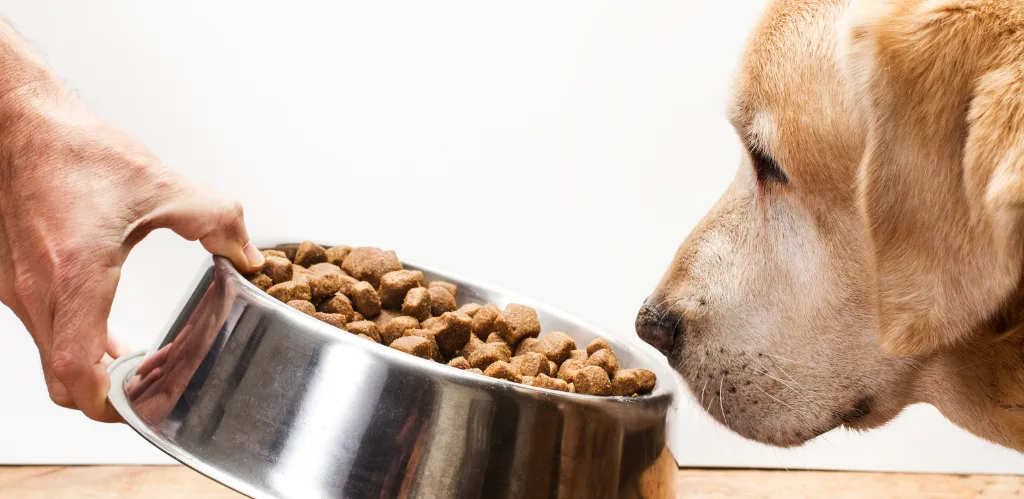
The pet food industry is changing — and it’s changing fast. Walk down any pet store aisle today, and you’ll notice something different: ingredient labels that look a lot like the ones on human health food. Pea protein. Rice protein. Non-GMO. Clean label. These aren’t just buzzwords. They’re signals of a fundamental shift in how pet food is formulated, sourced, and sold.
For F&B manufacturers and pet food formulators, this shift creates both opportunity and pressure. The question is no longer whether to incorporate plant-based protein into pet food formulations — it’s how to do it well. This guide breaks down everything you need to know, from ingredient selection to formulation strategies, so your next product development cycle starts on solid ground.
Why Plant-Based Protein for Pet Food Is Having a Moment
The numbers don’t lie. The global plant-based pet food market reached USD 12.6 billion in 2025 and is projected to grow to USD 19.3 billion by 2030, at a CAGR of 8.8%. This is one of the fastest-growing segments in the entire food ingredients industry — and it’s being driven by a very familiar set of forces.
Pet humanization is a major driver. Millennial and Gen Z pet owners are reading ingredient labels with the same scrutiny they apply to their own groceries. Sustainability is another. A growing segment of consumers want lower-carbon pet diets that put less pressure on livestock systems. And then there are the health-motivated buyers — pet owners dealing with animals that have food allergies, digestive sensitivities, or intolerances to conventional meat proteins.
For manufacturers, this translates to real demand for alternative protein pet food ingredients that are not only nutritionally sound but also clean-label, traceable, and scalable. Plant-based proteins tick all of those boxes — provided they’re the right ones, sourced from the right suppliers.
Understanding the Core Plant Proteins Used in Pet Food
Not all plant proteins are created equal. Different sources offer different amino acid profiles, functional properties, and palatability levels — all of which matter enormously in pet food formulation. Here’s a practical look at the main contenders.
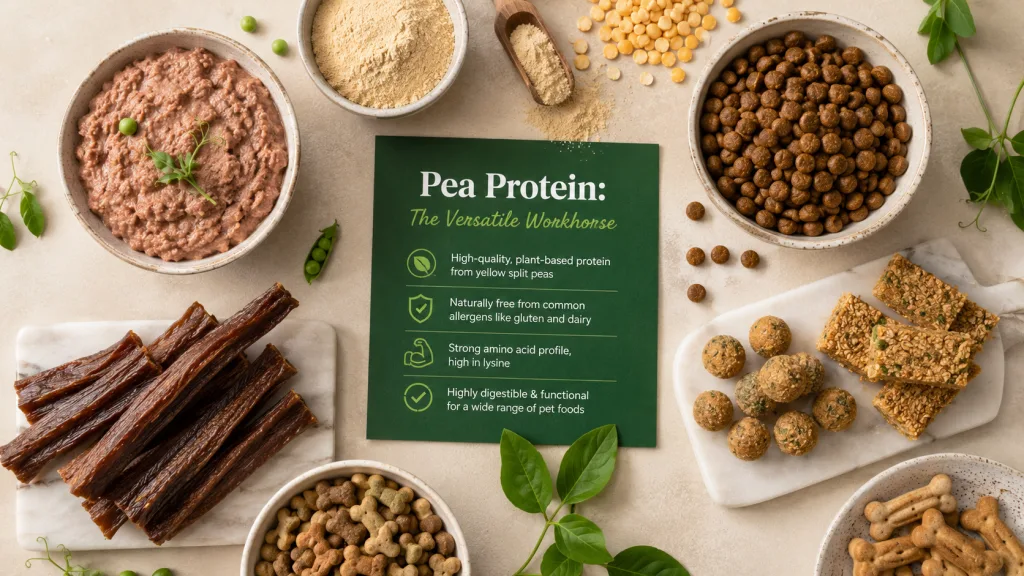
Pea Protein: The Versatile Workhorse
Pea protein for pet food has emerged as the most widely adopted plant protein in the category — and for good reason. Derived from yellow split peas, it delivers a protein content typically ranging between 80–90%, is naturally free from common allergens like gluten and dairy, and offers a strong amino acid profile high in lysine. Studies show pea protein digestibility reaching above 85% depending on the variety and processing method, making it a genuinely viable alternative to animal-derived ingredients.
From a formulation standpoint, knowing how to use pea protein in pet food formulation effectively means understanding its functional properties. Pea protein isolate, in particular, offers excellent water binding and emulsification, making it well-suited for wet food applications, kibble extrusion, and protein-fortified treats. It also performs well in plant-based protein kibble formulation due to its stability under the high-heat conditions of extrusion processing.
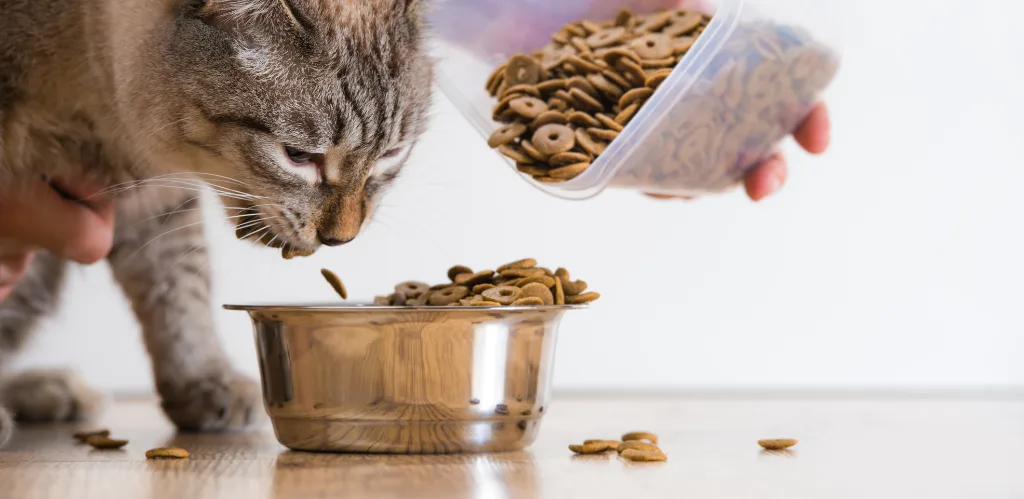
Rice Protein Isolate: The Clean-Label Favourite
Rice protein isolate pet food applications are growing rapidly, particularly in the premium and therapeutic segments. Rice protein is widely regarded as one of the most hypoallergenic protein sources available — a significant advantage in a category where food sensitivities in pets are on the rise. It is naturally free from the most common allergens and is perceived by 92% of cat owners as a natural, healthy ingredient.
The rice protein pet food formulation benefits extend beyond allergen avoidance. Research published in Frontiers in Veterinary Science (2023) demonstrated that rice protein concentrate improved macronutrient digestibility in adult cats and was well-accepted in terms of palatability. Ileal digestibility scores for rice protein approach 90% — a metric that places it firmly in the high-quality protein category for companion animal nutrition.
One important formulation note: rice protein is relatively low in lysine. This is where combining it with a legume-based protein like pea protein creates a nutritionally complete solution — a strategy increasingly used by sophisticated pet food manufacturers.
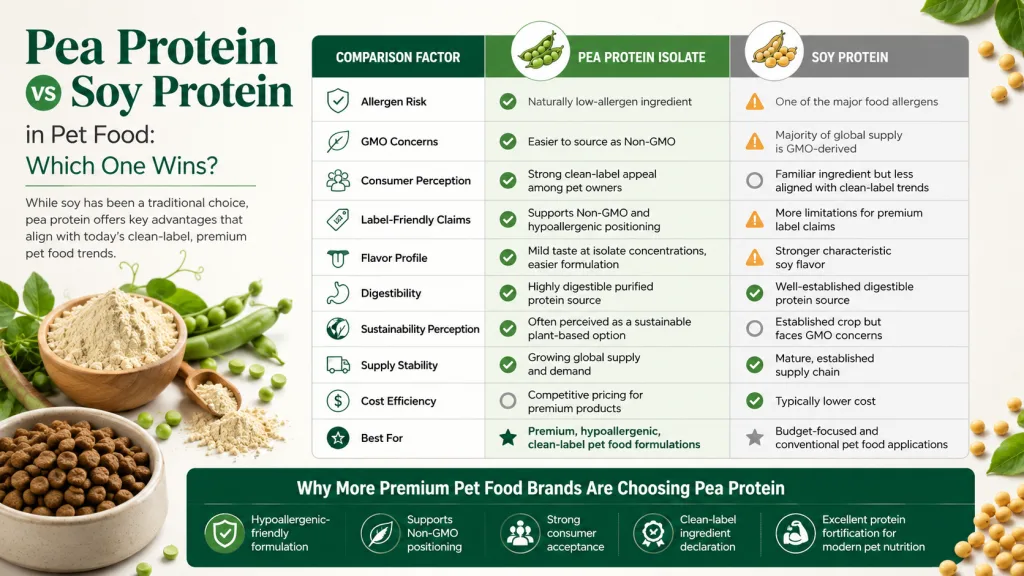
Pea Protein vs Soy Protein in Pet Food: Which One Wins?
This is one of the most common questions in pet food formulation circles — and the answer isn’t as straightforward as it might seem. Soy protein has historically been the default plant-based protein in commercial pet food, offering a high protein content and established supply chains. But pea protein has been gaining ground for several important reasons.
When evaluating pea protein vs soy protein in pet food, consider the following factors:
- Allergenicity: Soy is one of the eight major food allergens. Pea protein is not, making it a stronger choice for hypoallergenic pet food protein ingredients.
- GMO Status: The vast majority of commercial soy is genetically modified. Non-GMO plant protein pet food supplier credentials are much easier to establish with pea protein.
- Palatability: Pea protein can have a slightly beany taste, but at isolate concentrations, this is significantly reduced and easier to manage in formulation than soy’s strong flavour profile.
- Consumer Perception: Clean-label trends strongly favour pea protein, which resonates better with ingredient-conscious pet owners.
That said, soy isn’t obsolete. It remains cost-effective and nutritionally robust. The decision ultimately comes down to your target market, label claims, and formulation goals.
The Halal and Non-GMO Advantage in Global Pet Food Markets
Here’s something many pet food manufacturers operating globally haven’t fully factored in yet: halal plant protein for pet food is an emerging differentiator — especially in markets across the GCC, Southeast Asia, and parts of Europe with growing Muslim-majority populations.
While the primary driver of halal certification in food ingredients is religious compliance, the downstream effect is a rigorous quality and traceability standard that resonates far beyond any one demographic. Halal-certified ingredients signal clean sourcing, controlled processing, and supply chain integrity — attributes that premium pet food brands increasingly use as proof of quality.
Similarly, the non-GMO positioning is no longer just a North American or European concern. As global retail channels become more transparent, consumers across markets are scrutinising ingredient origins. Partnering with a non-GMO plant protein pet food supplier that holds verifiable certifications gives manufacturers a meaningful competitive edge in product development and retail negotiations.
Sustainable pet food protein ingredients are also attracting attention from institutional buyers and retail chains with ESG commitments. Plant-based proteins — particularly pea and rice — carry a lower environmental footprint than animal proteins, requiring less water, land, and energy per kilogram of protein produced.
Formulation Best Practices for Plant-Based Pet Food
Getting plant-based protein right in pet food isn’t just about substituting one protein source for another. There are formulation nuances that separate a well-executed product from one that disappoints on the shelf — or worse, in the bowl.
Here are the key principles to keep in mind:
- Complement amino acid profiles: Combine rice protein (high in methionine, low in lysine) with pea protein (high in lysine, moderate in methionine) to build a complete amino acid picture for dogs and cats.
- Target protein content: For kibble, look to maintain crude protein levels of 25–35% in the finished product. Pea protein isolate, with protein concentrations of 85–90%, allows you to hit these targets without excessive ingredient load.
- Monitor anti-nutritional factors: Raw legumes contain trypsin inhibitors and phytates. Properly processed protein isolates have these significantly reduced, but sourcing from a reputable plant protein pet food manufacturer with documented processing standards is essential.
- Palatability engineering: Plant proteins can have flavour limitations. Palatant coatings, natural flavour enhancers, and inclusion level management (typically 10–30% of protein component) are standard tools to address this.
- Urine pH monitoring: Some plant proteins, particularly at high inclusion levels, can contribute to urine alkalinisation in cats — a known risk factor for urolithiasis. This makes formulation oversight and veterinary input particularly important for feline recipes.
Sourcing at Scale: What to Look for in a Bulk Supplier
For manufacturers scaling up production, finding the right bulk pea protein isolate for pet food manufacturers is one of the most critical supply chain decisions you’ll make. Ingredient quality, batch-to-batch consistency, and supplier certifications directly impact both your formulation outcomes and your brand’s credibility.
When evaluating a pea protein isolate bulk supplier for pet food or a rice protein isolate partner, here’s what to prioritise:
- Protein content and purity: Look for isolates with a minimum 80% protein on a dry-matter basis, with low residual starch and fat.
- Certifications: FSSC 22000, HACCP, ISO 22000, and halal certification are the minimum standards you should expect from any credible industrial ingredient supplier.
- Non-GMO traceability: Ensure your supplier can provide documented, verifiable evidence of non-GMO sourcing — not just a label claim.
- OEM flexibility: The ability to work with your formulation requirements, batch sizes, and custom packaging specifications is a major advantage when scaling production.
Satoria Nutrisentials’ pea protein isolate and rice protein isolate are manufactured under FSSC 22000, ISO 22000, HACCP, and halal-certified conditions, and are available in bulk quantities for industrial pet food applications. Their OEM and toll manufacturing services also allow pet food brands to customise formulations while maintaining strict quality and confidentiality standards — a critical consideration for brands protecting proprietary recipes.
Ready to Elevate Your Pet Food Formulation?
The shift toward plant-based protein in pet food is no longer on the horizon — it’s here. And the manufacturers who move early with the right ingredients, the right partners, and the right formulation strategy will be the ones defining the next generation of premium pet nutrition.
Satoria Nutrisentials provides world-class, halal-certified pea protein isolate and rice protein isolate developed to meet the rigorous demands of industrial pet food manufacturing. Whether you’re developing a new recipe, reformulating an existing product, or scaling up production, their team is equipped to support your formulation goals with innovative, healthy food ingredients tailored to your needs.
Explore Satoria Nutrisentials’ full product range or get in touch with their team to discuss your next formulation project at satorianutrisentials.com.
References
- Mordor Intelligence. (2025). Plant based pet food market size, share, 2025–2030 outlook. Retrieved from https://www.mordorintelligence.com/industry-reports/plant-based-pet-food-market
- Morris, C., Bermingham, E., Thomas, D. G., & Young, W. (2023). Rice protein concentrate is a well-accepted, highly digestible protein source for adult cats. Frontiers in Veterinary Science, 10. https://doi.org/10.3389/fvets.2023.1168659
- Yang, J., Caldwell, C., & Trehan, S. (2023). Composition, functionalities, and digestibility of proteins from high protein and normal pea (Pisum sativum) genotypes. Sustainable Food Proteins, 1(1). https://doi.org/10.1002/sfp2.1005
- Kaur, N., et al. (2025). Comprehensive review of alternative proteins in pet food: Research publications, patents, and product trends in plant, aquatic, insect, and cell-based sources. PMC / PubMed Central. https://pmc.ncbi.nlm.nih.gov/articles/PMC12346004/
- BENEO / Pet Food Processing. (2024). Potential of rice protein for cat food development. Pet Food Processing. https://www.petfoodprocessing.net/articles/18552-potential-of-rice-protein-for-cat-food-development
- Market.us. (2025). Plant-based pet food market size, share & forecast to 2034. Market.us Research. https://market.us/report/plant-based-pet-food-market/
Featured News
Category
Get a Promo and Keep Updated