
Explanation About Probiotic: A Strategic Guide for Food & Beverage Manufacturers
Why Vegan Brands Like Maizly Corn Milk Are Turning to Resistant Dextrin
October 13, 2025
Resistant Dextrin - Articles
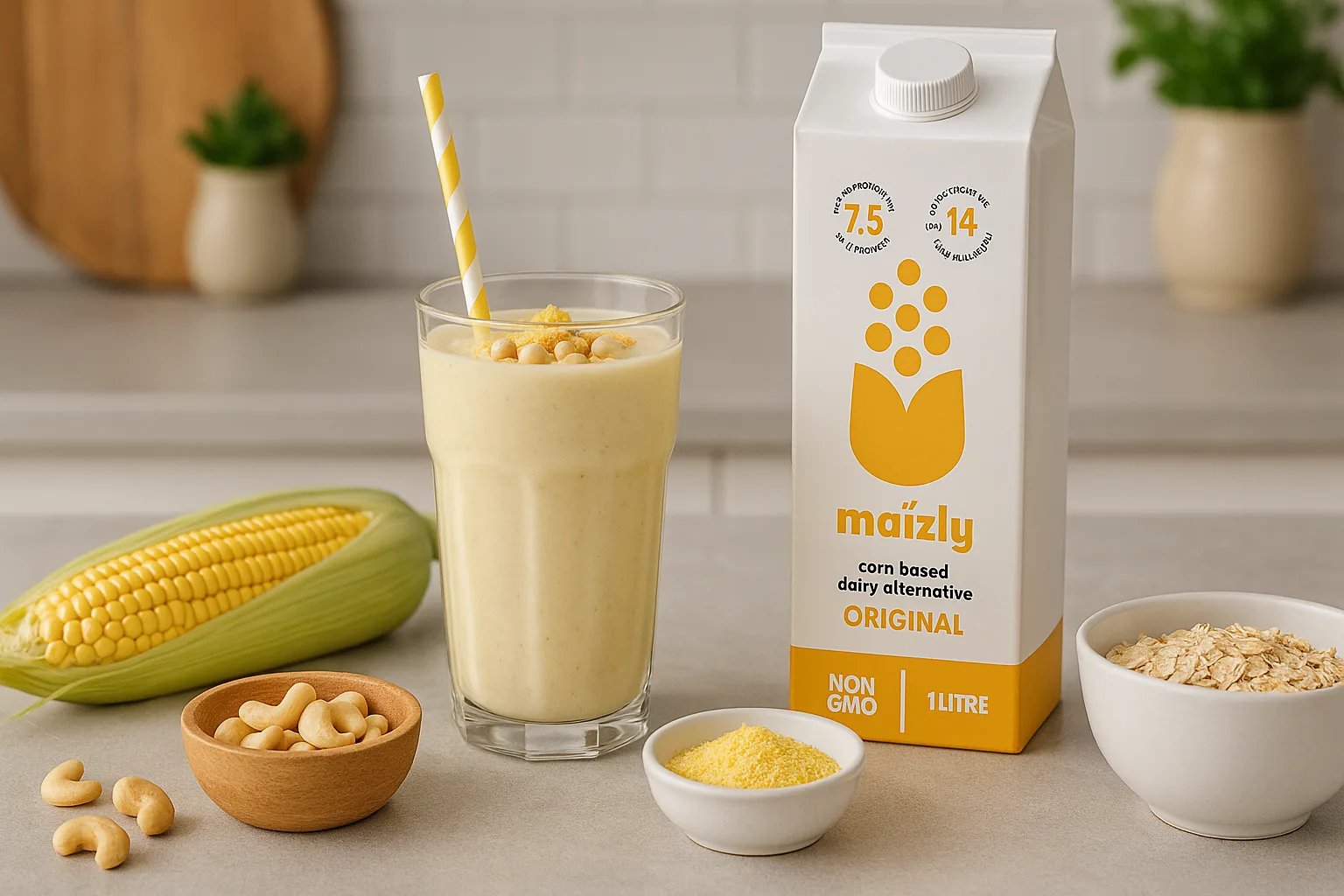
Plant-based milks have become a staple in modern diets, with almond, soy, oat, and coconut leading the category. Yet as consumers demand more functionality and clean-label nutrition, new players are emerging. Among them, Maizly Corn Milk stands out by offering a unique vegan corn milk that not only satisfies taste but also integrates resistant dextrin for added fiber and health benefits. This article explores why resistant dextrin is increasingly important in vegan dairy alternatives and why brands like Maizly are turning to it to deliver better health outcomes.
The Growing Appeal of Vegan Corn Milk
Vegan corn milk is a fresh entrant in the world of vegan dairy alternatives. Unlike soy or almond, corn milk provides a naturally neutral flavor, allergen-friendly profile, and a sustainability advantage. Maizly Corn Milk positions itself as a clean label product made from non-GMO corn, free of major allergens, and designed to provide consumers with a creamy, dairy-like experience.
But taste alone isn’t enough in today’s competitive plant-based market. Consumers are looking for plant-based milk with fiber, added nutrition, and functional properties that support long-term wellness. This is where resistant dextrin in vegan products comes into play.
What Is Resistant Dextrin?
Resistant dextrin is a soluble dietary fiber derived from starch, often from corn or wheat. Unlike traditional carbohydrates, it is resistant to digestion in the small intestine. Instead, it travels intact to the colon, where it is fermented by gut bacteria, producing short-chain fatty acids (SCFAs) like acetate, propionate, and butyrate. These compounds fuel colon health, support immune balance, and help regulate metabolism.
Unlike some other fibers, resistant dextrin dissolves cleanly in water, is nearly flavorless, and integrates seamlessly into beverages. This makes it an ideal addition to high fiber vegan corn milk and other vegan drinks with prebiotic fiber.
Health Benefits of Resistant Dextrin
Resistant dextrin is not just an additive for texture or stability; it has well-documented physiological benefits that align with consumer priorities.
- Digestive Health & Prebiotic Support: Resistant dextrin is a prebiotic fiber that feeds beneficial bacteria such as Bacteroides and Akkermansia. Fermentation produces SCFAs that improve gut barrier integrity, lower gut pH, and reduce harmful bacteria. Clinical studies confirm that resistant dextrin supports regularity, stool bulk, and overall gut comfort.
- Blood Sugar and Insulin Regulation: Randomized clinical trials in type 2 diabetic populations show resistant dextrin can improve insulin sensitivity and reduce postprandial glucose spikes. Because it contributes minimal digestible carbohydrate, it supports a low glycemic load, which is valuable for consumers managing energy and blood sugar.
- Lipid Metabolism: Animal and human studies suggest resistant dextrin lowers triglycerides and cholesterol while upregulating PPARα and FXR pathways, which improve fat metabolism and reduce fatty liver risk.
- Weight Management & Satiety: Several studies demonstrate that resistant dextrin increases satiety hormones and helps people feel fuller longer, supporting calorie control and modest weight loss. For consumers turning to functional foods for weight management, this makes resistant dextrin highly relevant.
- Anti-inflammatory Benefits: Resistant dextrin has been shown to reduce pro-inflammatory cytokines (IL-6, TNF-α) and endotoxin load in blood by strengthening gut barrier function. This is particularly useful for populations managing chronic inflammation or metabolic syndrome.
- Safe and Well-Tolerated: Unlike some fibers that can cause bloating or grit, resistant dextrin is highly soluble and well tolerated. While mild digestive gas may occur at first, adaptation usually eliminates discomfort, making it easier for consumers to adopt long-term.
Why Resistant Dextrin Matters for Vegans
Vegans and plant-based consumers often emphasize natural fiber for vegan diets. While whole plant foods provide fiber, many vegan dairy alternatives like almond or oat milk contain very little. By enriching these drinks with resistant dextrin, brands can transform them into functional foods that bridge nutrition gaps.
For example, Maizly Corn Milk, already positioned as allergen-friendly and sustainable, gains further credibility by promoting itself as a high fiber vegan corn milk. This not only supports digestive health but also appeals to wellness-driven consumers who expect vegan drinks with prebiotic fiber to deliver more than just a milk replacement.
Formulation Advantages for Plant-Based Beverages
From a technical standpoint, resistant dextrin offers unique benefits that go beyond nutrition:
- Solubility: Dissolves fully without grit, ensuring smooth and creamy textures.
- Stability: Helps maintain viscosity and mouthfeel in storage.
- Neutral Flavor: Doesn’t interfere with taste, unlike some other fibers.
- Versatility: Compatible with proteins (soy, pea) and other fibers (inulin, oat).
This combination means resistant dextrin can deliver functional fiber without compromising the sensory experience, a key factor in consumer acceptance.
Consumer Trends Driving Resistant Dextrin Adoption
Consumers today are not only interested in plant-based choices; they want functional beverages that offer real health outcomes. The popularity of prebiotics and probiotics has surged, with digestive wellness seen as a gateway to overall health. Vegan consumers, in particular, are informed and label-conscious. They look for terms like:
- “Supports digestive wellness”
- “Contains prebiotic fiber”
- “Clean label ingredient”
- “Low glycemic, high fiber”
Resistant dextrin aligns perfectly with these expectations, giving brands like Maizly a competitive marketing edge.
Challenges and Considerations
Despite its many advantages, brands should be mindful of:
- Dosage: Excess fiber may alter viscosity; balance is key.
- Regulatory Compliance: Fiber labeling definitions vary (e.g., FDA vs. Health Canada).
- Cost: Resistant dextrin is more premium compared to standard maltodextrin, but consumer demand for gut health justifies the investment.
How Satoria Nutrisentials Supports Vegan Brands
At Satoria Nutrisentials, we help innovative food and beverage companies bring resistant dextrin clean label ingredients into their formulations. We offer:
- Reliable sourcing of high-quality resistant dextrin
- Technical guidance for solubility and stability in beverages
- Support for regulatory compliance in North America, Europe, and Asia
- Custom solutions for plant-based nutrition and functional drinks
You can learn more at Satoria Nutrisentials.
The Future of Fiber-Enriched Vegan Drinks
Looking forward, expect to see:
- Multi-fiber blends (resistant dextrin + inulin + novel prebiotics)
- Synbiotic beverages pairing prebiotics with probiotics
- Next-gen vegan milks (pea, rice, chickpea) fortified with resistant dextrin
- Personalized nutrition where functional fibers like resistant dextrin are tailored to gut microbiome needs
These trends highlight how resistant dextrin in plant-based nutrition will play a central role in the next wave of vegan innovation.
Bring Gut-Healthy Vegan Drinks to Life with Resistant Dextrin
If you’re developing vegan beverages or dairy alternatives, now is the time to embrace the power of resistant dextrin. From gut health to blood sugar balance, its benefits are scientifically supported and consumer-approved.
At Satoria Nutrisentials, we partner with brands to create clean-label, fiber-rich formulations that meet the rising demand for vegan drinks with prebiotic fiber. With our expertise in resistant dextrin and plant-based nutrition, we can help you deliver products that stand out for their functionality and taste.
Visit Satoria Nutrisentials today to explore how we can help you build the next generation of gut-friendly vegan drinks.
References
- Babiker, R., Elmusharaf, K., Keogh, M., et al. (2019). Resistant dextrin as a prebiotic improves insulin resistance and inflammation in women with type 2 diabetes: A randomized controlled trial. British Journal of Nutrition, 122(4), 471–481. https://doi.org/10.1017/S0007114519001336
- Raninen, K., Lappi, J., Mykkänen, H., & Poutanen, K. (2011). Dietary fiber type reflects physiological functionality: Comparison of grain fiber, inulin, and resistant dextrin. Nutrition Reviews, 69(1), 9–21.
- Guo, Q., Wu, Y., Chen, F., et al. (2020). Resistant dextrin alleviates lipid metabolic disorder and gut microbiota dysbiosis in high-fat, high-fructose-fed rats. Nutrition & Metabolism, 17, 1–13.
- Marteau, P., Flourié, B., Cherbut, C., et al. (2011). Impact of resistant dextrin on intestinal ecology. Current Medical Research and Opinion, 27(6), 1221–1230.
- Maizly. (2025). Product Overview: Maizly Corn Milk. Retrieved from https://www.maizly.com
- Satoria Nutrisentials. (2025). Applications of Resistant Dextrin in Manufacturing. Retrieved from https://satorianutrisentials.com/article/applications-of-resistant-dextrin-in-manufacturing
Featured News
Category
Get a Promo and Keep Updated