
Rice Protein Isolate for Non-Dairy Sports Recovery RTD Shakes: A Formulator’s Guide
Fibre Enrichment for Bakery Products Without Texture Change: A Practical Guide for Modern Food Formulation
April 23, 2026
Resistant Dextrin - Articles
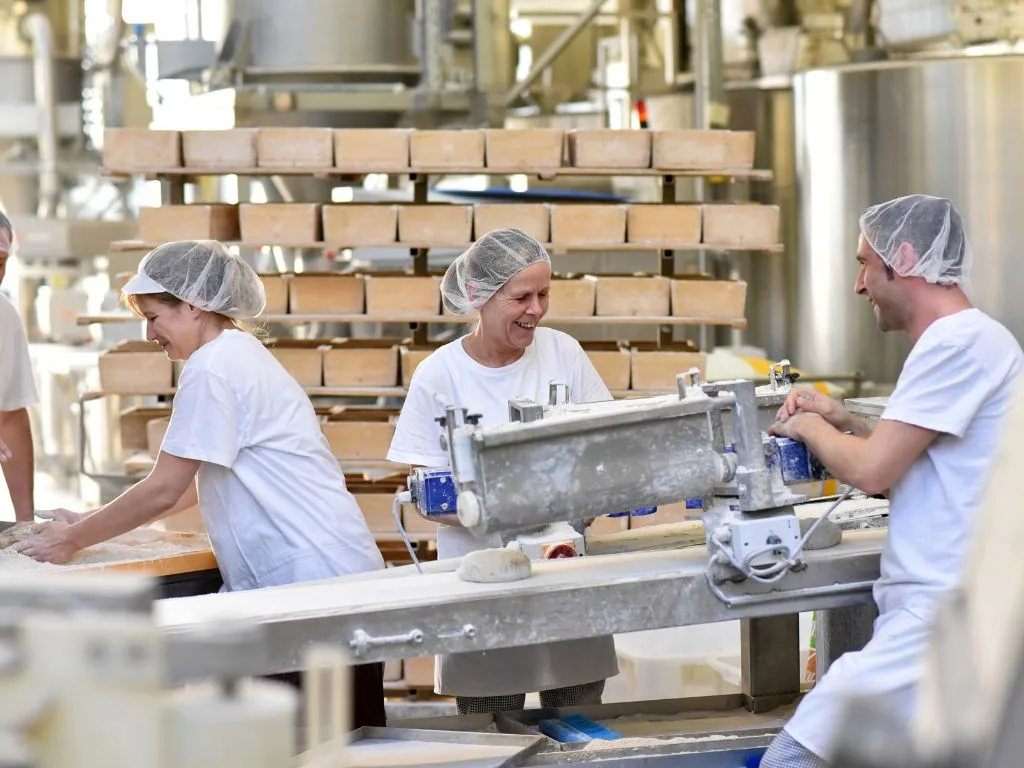
The demand for healthier baked goods is rapidly increasing, but one challenge continues to hold manufacturers back: how to achieve fibre enrichment for bakery products without texture change. Consumers expect soft bread, moist cakes, and crisp pastries—without compromise.
For formulators, this means balancing nutritional enhancement with sensory quality, process efficiency, and clean label expectations. In this guide, we explore how fibre can be incorporated seamlessly into bakery formulations, while highlighting ingredient solutions aligned with Satoria Nutrisentials’ product portfolio.
Why Fibre Enrichment Matters in Bakery Innovation
Dietary fibre plays a crucial role in digestive health, glycemic control, and satiety. As regulatory bodies and health-conscious consumers push for higher fibre intake, bakery manufacturers are under pressure to reformulate products accordingly.
However, fibre addition often introduces challenges:
- Increased dough density
- Reduced loaf volume
- Dry or gritty mouthfeel
- Changes in water absorption and processing behavior
This is why fibre enrichment for bakery products without texture change has become a key innovation focus in food science.
Beyond nutrition, fibre also supports:
- Clean label bakery trends
- Reduced sugar bakery formulations
- Low glycemic index bakery products
When executed correctly, fibre enrichment enhances both product value and market competitiveness.
The Core Challenge: Maintaining Texture While Adding Fibre
Bakery texture is driven by a delicate balance of gluten structure, water distribution, and fat interactions. Introducing fibre disrupts this system.
How Fibre Impacts Bakery Texture
Different types of fibre behave differently in formulations:
- Insoluble fibre (e.g., bran): adds bulk but can create rough textures
- Soluble fibre (e.g., resistant dextrin): integrates more smoothly but affects viscosity
Common negative effects include:
- Tough crumb structure
- Reduced elasticity
- Faster staling
- Poor dough machinability
To achieve fibre enrichment for bakery products without texture change, ingredient selection and formulation strategy must work together.
Types of Functional Fibre Suitable for Bakery Applications
Not all fibres are created equal. Choosing the right type is critical for preserving texture while improving nutrition.
Soluble Fibre for Texture-Friendly Enrichment
Soluble fibres are the preferred choice for bakery applications because they dissolve easily and have minimal impact on structure.
Key benefits:
- Neutral taste and color
- High digestive tolerance
- Minimal impact on dough rheology
Satoria Nutrisentials offers advanced fibre ingredients such as:
- Resistant dextrin (Fiberfit™) – ideal for fibre fortification without affecting softness
- Soluble tapioca fibre – supports clean label claims and smooth texture
These ingredients are particularly effective for:
- Soft bread
- Cakes and muffins
- Cookies and biscuits
Insoluble Fibre and Its Controlled Use
While insoluble fibre contributes to bulk and digestive benefits, it must be used carefully.
Best practices:
- Use in combination with soluble fibre
- Keep inclusion levels moderate
- Adjust hydration levels
Blending fibre types can help balance functionality and texture.
Formulation Strategies for Fibre Enrichment Without Texture Change
Achieving success requires more than just selecting the right fibre. It involves a holistic approach to formulation.
1. Optimize Water Absorption
Fibre binds water differently than flour. Adjusting hydration is essential.
- Increase water levels gradually
- Monitor dough consistency
- Avoid overhydration that leads to stickiness
Soluble fibres like resistant dextrin require less adjustment compared to bran.
2. Maintain Gluten Network Integrity
Fibre can weaken gluten structure, leading to poor volume and crumb.
Solutions include:
- Strengthening agents (e.g., vital wheat gluten)
- Optimized mixing time
- Controlled proofing conditions
This is especially important for high-fibre bread formulation.
3. Use Multi-Functional Ingredients
Ingredients that provide both nutrition and functionality are ideal.
For example:
- Resistant dextrin improves fibre content while maintaining softness
- Tapioca-based fibres support clean label bakery products
Satoria Nutrisentials specializes in ingredients that combine nutritional value with functional performance, making them ideal for scalable production.
4. Balance Sweetness and Texture
Fibre can reduce perceived sweetness and alter mouthfeel.
To compensate:
- Adjust sugar or sweetener systems
- Use bulking agents that mimic sugar functionality
This is particularly relevant in reduced sugar bakery formulations.
Applications Across Bakery Categories
Different bakery products require tailored approaches to fibre enrichment.

Bread and Rolls
Challenges:
- Maintaining volume
- Preventing dense crumb
Solutions:
- Use soluble fibre like resistant dextrin
- Adjust hydration and proofing
Outcome: Soft, airy bread with added fibre.

Cakes and Muffins
Challenges:
- Retaining moisture
- Avoiding dryness
Solutions:
- Incorporate soluble fibre with high water-binding capacity
- Balance fat and sugar
Outcome: Moist texture with improved nutritional profile.
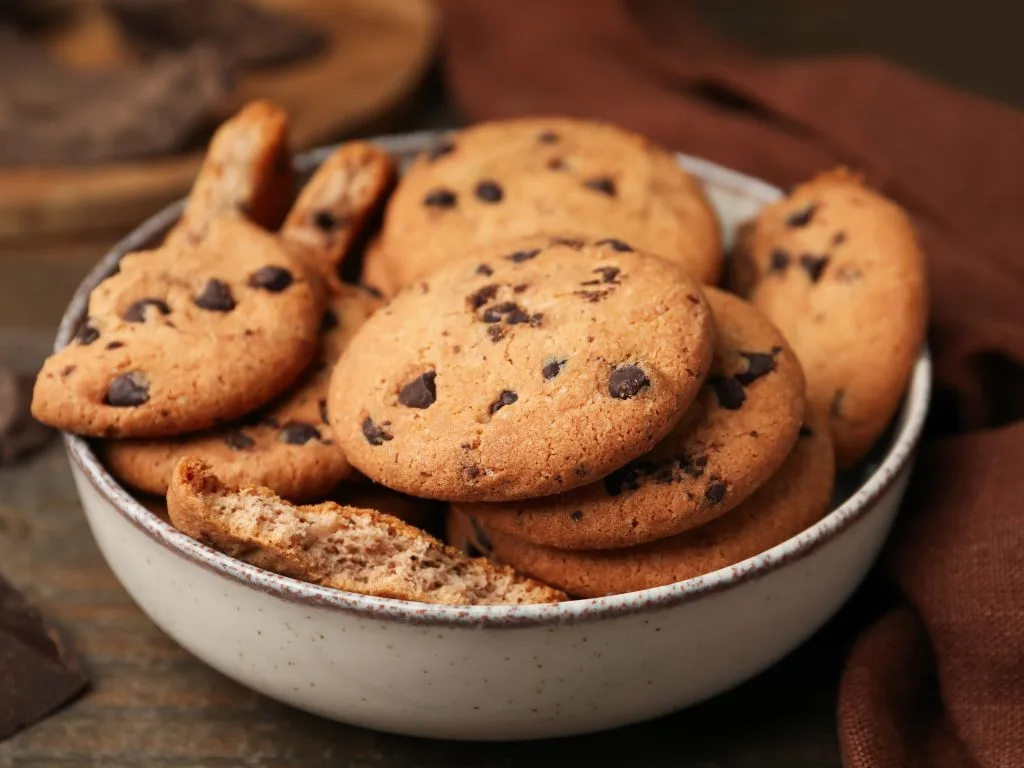
Cookies and Biscuits
Challenges:
- Maintaining crispness
- Preventing spread issues
Solutions:
- Use fibre with low viscosity impact
- Adjust fat ratios
Outcome: Crunchy texture without compromising fibre content.
Clean Label and Consumer Expectations
Modern consumers are not just looking for fibre—they are looking for transparency and simplicity.
This has led to the rise of:
- Clean label bakery products
- Plant-based and natural ingredient solutions
- Non-GMO and allergen-friendly formulations
Satoria Nutrisentials addresses these needs with:
- Tapioca-based fibre solutions
- Plant-based protein and fibre blends
- Globally compliant ingredient systems
These solutions support both product innovation and regulatory alignment.
The Role of Resistant Dextrin in Texture Preservation
Among all fibre options, resistant dextrin stands out for its versatility.
Why Resistant Dextrin Works
- Highly soluble
- Low viscosity
- Neutral taste
- Excellent digestive tolerance
It integrates seamlessly into formulations, making it ideal for fibre enrichment for bakery products without texture change.
Functional Benefits in Bakery
- Maintains softness in bread
- Enhances moisture retention in cakes
- Supports structure in cookies
Satoria Nutrisentials’ Fiberfit™ Resistant Dextrin is specifically designed for these applications, offering consistent performance across different bakery systems.
Process Optimization for Scalable Production
Scaling fibre-enriched bakery products requires process adjustments.
Key Considerations
- Mixing time and speed
- Dough handling properties
- Baking temperature and time
Manufacturers should conduct pilot trials to:
- Validate texture consistency
- Optimize ingredient ratios
- Ensure production efficiency
Satoria Nutrisentials provides technical support to help manufacturers transition smoothly from concept to commercialization.
Future Trends in Fibre-Enriched Bakery Products
The bakery industry is evolving rapidly, with fibre playing a central role.
Emerging trends include:
- Low glycemic index bakery products
- Functional bakery with digestive health claims
- Hybrid formulations combining fibre and protein
As innovation continues, the ability to deliver fibre enrichment for bakery products without texture change will become a key differentiator.
How Satoria Nutrisentials Supports Fibre Innovation
Satoria Nutrisentials is committed to helping manufacturers create next-generation bakery products.
Their portfolio includes:
- Fiberfit™ Resistant Dextrin
- Tapioca-based soluble fibre
- Plant-based functional ingredients
Key advantages:
- Consistent quality and supply
- Technical formulation expertise
- Global regulatory compliance
By partnering with Satoria Nutrisentials, manufacturers can accelerate product development while ensuring optimal texture and nutritional value.
Unlock the Potential of Fibre-Enriched Bakery Solutions with Satoria Nutrisentials
Achieving fibre enrichment for bakery products without texture change is no longer a trade-off—it is an opportunity.
With the right ingredients and formulation strategies, manufacturers can deliver:
- Healthier products
- Superior sensory experiences
- Stronger market positioning
Explore Satoria Nutrisentials’ advanced fibre solutions today and discover how their ingredients can transform your bakery formulations into high-performance, consumer-ready products.
Visit: https://satorianutrisentials.com/
Reference
- American Association of Cereal Chemists. (2020). Dietary fiber definition and analysis. Retrieved from https://www.aaccnet.org
- Elleuch, M., et al. (2011). Dietary fibre and fibre-rich by-products of food processing. Food Chemistry. https://doi.org/10.1016/j.foodchem.2010.12.093
- Food and Agriculture Organization. (2019). Dietary fibre in human nutrition. Retrieved from https://www.fao.org
- Slavin, J. (2013). Fiber and prebiotics: Mechanisms and health benefits. Nutrients. https://doi.org/10.3390/nu5041417
- Guillon, F., & Champ, M. (2000). Structural and physical properties of dietary fibres. Food Research International. https://doi.org/10.1016/S0963-9969(00)00099-7
- Tungland, B., & Meyer, D. (2002). Non-digestible oligo- and polysaccharides. Comprehensive Reviews in Food Science and Food Safety. https://doi.org/10.1111/j.1541-4337.2002.tb00009.x
- Brennan, C. S. (2005). Dietary fibre, glycaemic response, and diabetes. Molecular Nutrition & Food Research. https://doi.org/10.1002/mnfr.200500025
- EFSA Panel on Dietetic Products. (2010). Scientific opinion on dietary reference values for carbohydrates and fibre. Retrieved from https://www.efsa.europa.eu
- Fardet, A. (2010). New hypotheses for the health-protective mechanisms of whole-grain cereals. Nutrition Research Reviews. https://doi.org/10.1017/S0954422410000041
- Dreher, M. (2018). Whole fruits and fiber: Emerging health effects. Nutrients. https://doi.org/10.3390/nu10121833
Featured News
Category
Get a Promo and Keep Updated