
Rice Protein Isolate for Non-Dairy Sports Recovery RTD Shakes: A Formulator’s Guide
Functional Coffee Formulation Protein Fiber Ready-to-Drink: Lessons from Starbucks, Slate, and OWYN
June 29, 2026
Resistant Dextrin - Articles

The ready-to-drink coffee category is undergoing a significant transformation. For years, innovation focused primarily on flavor, caffeine content, and convenience. Today, consumers are looking for more from their daily coffee ritual. They want beverages that support energy, satiety, digestive health, and active lifestyles without sacrificing taste.
This shift has created a new generation of products that combine coffee with protein and dietary fiber. What was once a niche fitness trend has become a mainstream wellness category. Major brands including Starbucks, Slate, and OWYN have introduced beverages that merge the appeal of coffee with functional nutrition, creating a blueprint for the future of ready-to-drink (RTD) beverages.
For formulators and food manufacturers, the rise of functional coffee presents a compelling opportunity. Understanding how leading brands approach protein, fiber, and coffee integration can provide valuable insights when developing the next generation of nutritional beverages.
Why Functional Coffee Is Becoming a Major Beverage Trend
Coffee remains one of the world’s most widely consumed beverages, but modern consumers increasingly expect their beverages to deliver more than caffeine alone. Convenience, nutrition, and wellness have become important purchasing drivers across multiple age groups.
Protein has emerged as one of the most influential functional ingredients in recent years due to its association with satiety, muscle maintenance, and active lifestyles. At the same time, growing awareness of digestive health has elevated consumer interest in dietary fiber and prebiotic ingredients.
Combining coffee, protein, and fiber creates several advantages:
- Supports satiety between meals
- Provides convenient nutrition for busy consumers
- Delivers energy and caffeine in a familiar format
- Supports digestive wellness through dietary fiber
- Enables multiple front-of-pack nutrition claims
The popularity of “proffee”—a combination of protein and coffee—helped validate consumer demand for this category. However, manufacturers are increasingly moving beyond protein alone by incorporating fiber to create more complete functional beverage solutions.
The Evolution from Protein Coffee to Protein Plus Fiber
The earliest protein coffee products focused primarily on delivering high protein content alongside caffeine. These beverages were often targeted toward athletes, gym-goers, and consumers seeking meal-replacement alternatives.
More recently, brands have begun incorporating fiber into formulations. This evolution reflects broader consumer interest in gut health, microbiome support, and balanced nutrition. Fiber not only contributes nutritional value but can also enhance satiety and support digestive wellness.
From a product development perspective, adding fiber allows manufacturers to create a more differentiated offering. Instead of competing solely on protein content, brands can communicate benefits related to digestive health and overall wellness.
This shift is particularly important because dietary fiber intake remains below recommended levels in many countries. Functional beverages offer a convenient delivery format that can help consumers increase daily fiber consumption without significantly altering existing habits.
The result is a category that increasingly blends energy, nutrition, and digestive health into a single ready-to-drink format.

Case Study: Starbucks Coffee & Protein
One of the clearest signals that protein-fiber coffee has entered the mainstream is Starbucks’ launch of Coffee & Protein ready-to-drink beverages.
Introduced in 2026, the product contains 22 grams of protein alongside prebiotic fiber and minimal sugar. Starbucks positioned the beverage as a convenient solution for consumers seeking both nutrition and coffee in a single bottle.
What Makes Starbucks’ Approach Different?
Unlike many earlier protein coffees that emphasized fitness, Starbucks integrated nutrition into an already familiar coffee experience.
Key formulation highlights include:
- 22 grams of complete protein
- 5 grams of fiber depending on product information source
- Low sugar content
- Ready-to-drink convenience
- Familiar coffee flavor profile
The inclusion of prebiotic fiber is particularly noteworthy because it expands the product beyond protein supplementation alone. Instead of functioning solely as a protein beverage, it becomes a broader wellness product that addresses multiple consumer needs simultaneously.
For formulators, Starbucks demonstrates that fiber can successfully coexist with protein in a mainstream coffee beverage without compromising consumer appeal.

Case Study: Slate High Protein Coffee
Slate has established itself as one of the most recognized brands in the protein coffee category. Unlike Starbucks, which entered the segment from traditional coffee retail, Slate was built around the concept of functional coffee from the beginning.
The company’s RTD coffees typically contain:
- 20 grams of protein
- Approximately 175 mg caffeine
- Low sugar levels
- Shelf-stable packaging
- Lactose-free positioning
These attributes have helped Slate appeal to health-conscious consumers seeking convenient nutrition and sustained energy throughout the day.
Key Takeaways from Slate
Slate’s success highlights several important formulation principles.
First, taste remains critical. Consumers expect authentic coffee flavor rather than a protein shake disguised as coffee. Second, low sugar positioning has become increasingly important as consumers scrutinize ingredient lists and nutritional labels.
Although fiber is not the central marketing message in Slate’s portfolio, some products contain small amounts of fiber. This suggests an opportunity for future innovation as brands seek additional ways to differentiate themselves in an increasingly competitive marketplace.
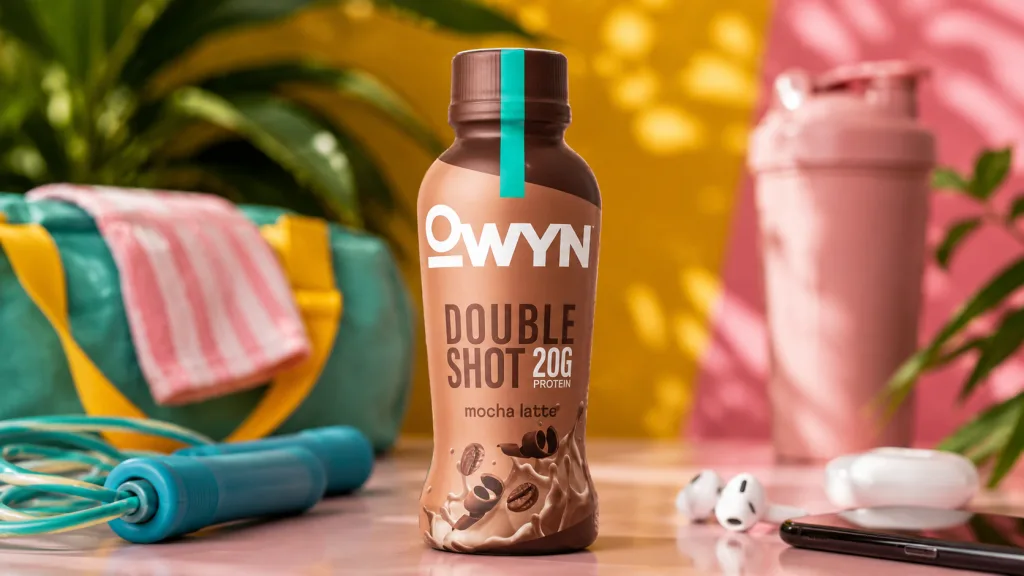
Case Study: OWYN and the Plant-Based Opportunity
OWYN (Only What You Need) provides another important perspective on functional coffee formulation by focusing on plant-based nutrition.
The brand’s coffee-flavored protein beverages utilize plant protein sources and incorporate dietary fiber while maintaining dairy-free positioning. Several products contain:
- 20 grams of plant protein
- Approximately 3 grams of fiber
- Coffee-derived caffeine
- Vegan-friendly ingredients
OWYN’s approach demonstrates that functional coffee is not limited to dairy-based formulations. Plant-based consumers increasingly seek products that align with their dietary preferences while still delivering meaningful nutritional benefits.
Lessons from OWYN
One of OWYN’s greatest strengths is ingredient alignment. Consumers purchasing plant-based products often prioritize clean labels, sustainability, and ingredient transparency.
For formulators, this creates opportunities to explore combinations such as:
- Pea protein and coffee
- Resistant dextrin and coffee
- Plant-based creamers
- Natural sweetener systems
The OWYN model demonstrates how coffee can serve as a highly effective delivery vehicle for plant-based nutrition while maintaining mainstream consumer appeal.
Formulation Challenges in Protein and Fiber Coffee Beverages
While the commercial opportunity is attractive, developing a successful protein-and-fiber coffee beverage presents several technical challenges.
Coffee naturally contains acids that can affect protein stability. Certain proteins may precipitate, create sedimentation, or negatively impact texture over shelf life.
Common formulation challenges include:
- Protein stability during processing
- Sedimentation during storage
- Flavor interactions between coffee and protein
- Heat stability during UHT processing
- Maintaining smooth mouthfeel
Fiber selection also plays an important role. Some fibers increase viscosity significantly, while others may contribute off-flavors or processing complications.
As a result, ingredient choice becomes a critical factor in product success. Manufacturers must carefully balance nutritional targets, sensory performance, and processing requirements when developing commercial formulations.
Why Resistant Dextrin Is Gaining Attention in RTD Coffee
Among available fiber ingredients, resistant dextrin has become increasingly attractive for beverage applications.
Unlike some traditional fiber sources, resistant dextrin offers several characteristics that align well with RTD coffee development:
- High solubility
- Neutral flavor profile
- Low viscosity contribution
- Heat stability
- Excellent beverage compatibility
These properties allow formulators to increase fiber content without substantially changing the drinking experience.
For manufacturers exploring functional coffee innovation, resistant dextrin represents a practical pathway toward higher-fiber formulations. It supports digestive health positioning while maintaining the sensory attributes consumers expect from premium coffee beverages.
This is one reason why resistant dextrin ingredients continue to gain attention across coffee, nutritional beverages, meal replacements, and functional wellness drinks.
Ingredient Strategies for Next-Generation Functional Coffee
As the category evolves, manufacturers are increasingly looking beyond individual ingredients and focusing on complete nutritional systems.
One emerging strategy combines plant protein with dietary fiber to create balanced nutritional beverages capable of supporting multiple health objectives.
Examples include:
- Pea protein plus resistant dextrin
- Rice protein plus soluble fiber
- Plant protein blends with prebiotic ingredients
- High-protein, low-sugar coffee formulations
Ingredient suppliers such as Satoria Nutrisentials offer solutions that align with these formulation trends, including pea protein ingredients and resistant dextrin designed for beverage applications. These ingredient categories closely match the nutritional direction being pursued by many leading functional beverage brands.
Rather than viewing protein and fiber as separate trends, manufacturers increasingly recognize the value of combining both within a single formulation.
What the Future Holds for Functional Coffee
The examples established by Starbucks, Slate, and OWYN suggest that the future of coffee extends far beyond caffeine.
Consumers increasingly expect beverages to contribute to wellness goals while fitting seamlessly into everyday routines. This demand creates opportunities for innovation around protein, fiber, digestive health, plant-based nutrition, and low-sugar formulation strategies.
Future products are likely to focus on:
- Higher protein content
- Increased dietary fiber
- Gut-health positioning
- Plant-based formulations
- Clean-label ingredient systems
- Functional nutrition benefits
As competition intensifies, brands that successfully combine nutritional performance with excellent taste and texture will be best positioned to succeed.
Explore Ingredient Solutions for the Next Generation of Functional Beverage Innovation
The success of Starbucks, Slate, and OWYN demonstrates that consumers are increasingly seeking beverages that deliver more than energy alone. Protein and fiber have become powerful tools for creating coffee products that align with modern wellness expectations while maintaining the convenience consumers value.
For manufacturers exploring the future of ready-to-drink coffee, ingredient selection remains one of the most important decisions in product development. Choosing functional ingredients that support nutritional goals, processing stability, sensory performance, and clean-label positioning can significantly influence a product’s commercial success.
As demand for high-protein, fiber-enriched beverages continues to grow, manufacturers are increasingly looking for ingredient partners that can support innovation from concept development through commercialization. Whether you are developing a plant-based protein coffee, a gut-health-focused RTD beverage, or a next-generation nutritional drink, selecting the right ingredients can help accelerate product development while maintaining quality and consistency.
Explore the functional ingredient portfolio from Satoria Nutrisentials to discover solutions including resistant dextrin, pea protein isolate, and other advanced food ingredients designed to support modern beverage innovation. Learn how these ingredients can help bring your next functional coffee concept to market with confidence by visiting Satoria Nutrisentials Product Solutions.
Ready to develop your next functional beverage innovation? Explore Satoria Nutrisentials’ ingredient solutions and discover how resistant dextrin and plant-based proteins can support high-performance RTD coffee formulations for today’s health-conscious consumers.
References
- Bulsiewicz, W. J., et al. (2023). Dietary fiber and the gut microbiome. Nutrients. https://www.ncbi.nlm.nih.gov/pmc/articles/PMC9917820/
- National Institutes of Health. (2024). Dietary Fiber Fact Sheet. https://ods.od.nih.gov/factsheets/Fiber-HealthProfessional/
- U.S. Food and Drug Administration. (2024). Questions and Answers on Dietary Fiber. https://www.fda.gov/food/food-labeling-nutrition/questions-and-answers-dietary-fiber
- Harvard T.H. Chan School of Public Health. (2024). Fiber. https://nutritionsource.hsph.harvard.edu/carbohydrates/fiber/
- World Health Organization. (2023). Healthy Diet Factsheet. https://www.who.int/news-room/fact-sheets/detail/healthy-diet
- EatingWell. (2026). Starbucks Will Bring Protein Drinks to Shelves, and They’re Surprisingly High-Fiber. https://www.eatingwell.com/starbucks-bottled-protein-drinks-11915455
- Starbucks. (2026). Starbucks Continues to Go All In on Protein With New Bottled Coffee & Protein Beverages. https://about.starbucks.com/stories/2026/starbucks-continues-to-go-all-in-on-protein-with-new-bottled-coffee-protein-beverages/
- Verywell Health. (2026). What Happens When You Add Coffee to Your Protein Shake. https://www.verywellhealth.com/adding-coffee-to-protein-shake-11890738
Featured News
Category
Get a Promo and Keep Updated